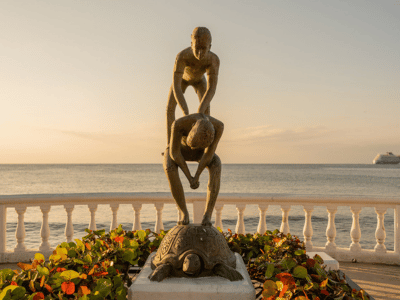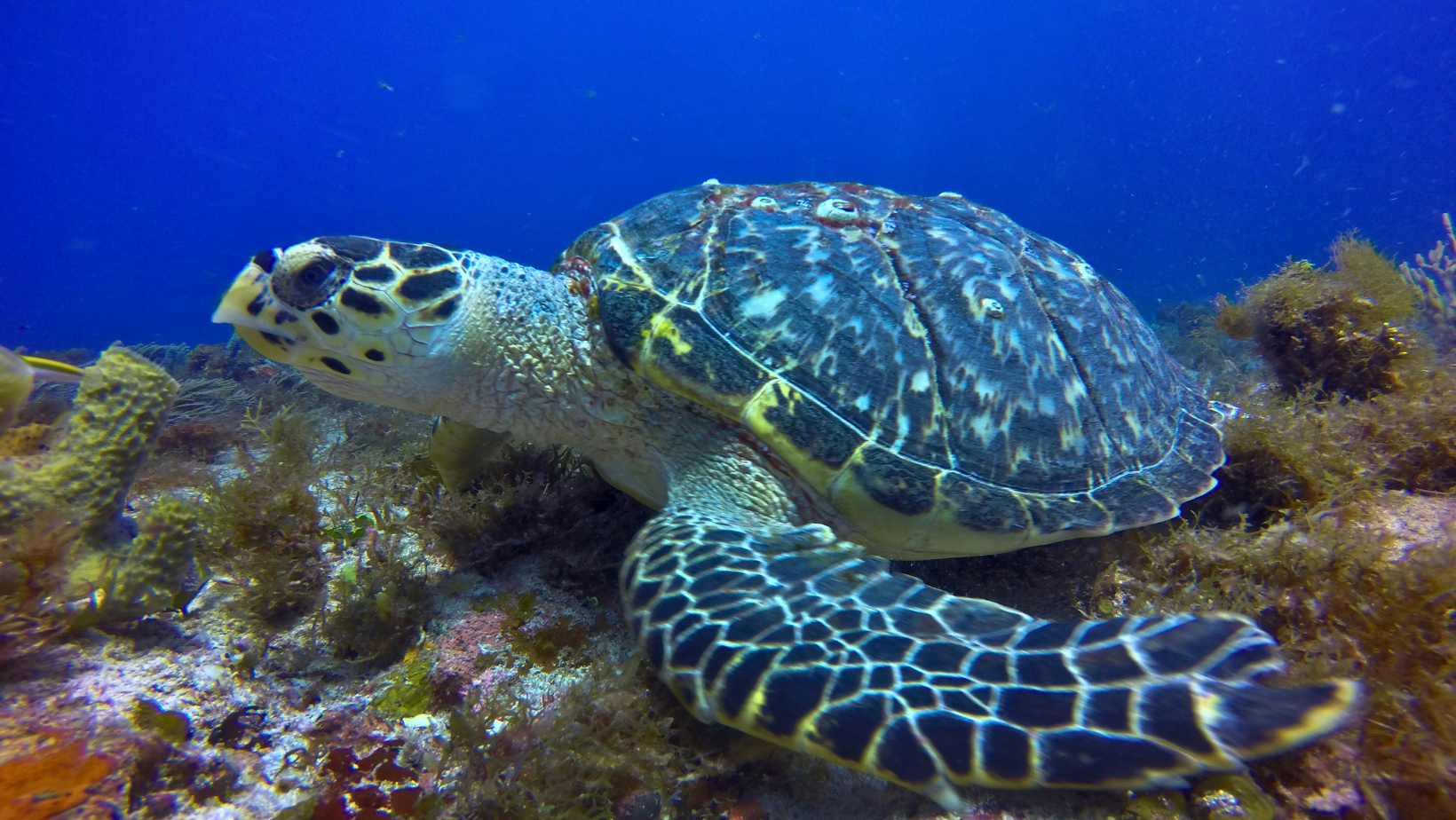
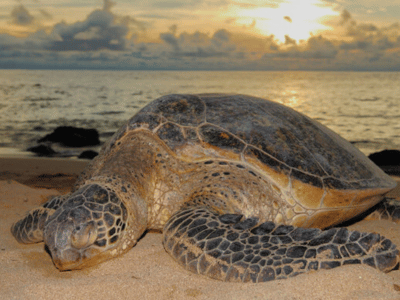
Cozumel, Mexico, is the proud host of an annual, ancient biological spectacle: the sea turtle nesting season. This profound natural event sees these magnificent marine reptiles returning to their natal beaches, a migration and reproductive cycle that has been perpetuated for over 100 million years. This incredible timeline signifies that sea turtles have been undertaking this vital journey since the time of the dinosaurs, underscoring the deep historical and evolutionary significance of this phenomenon.
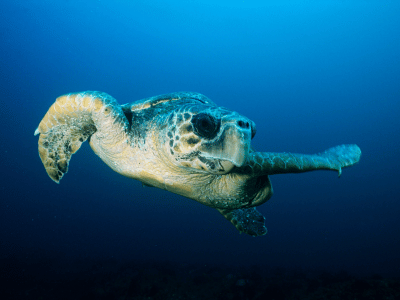
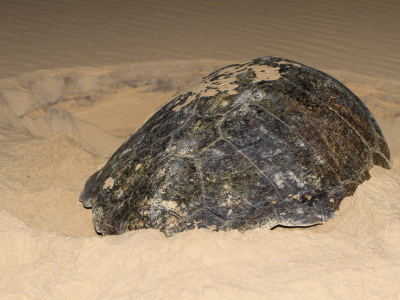
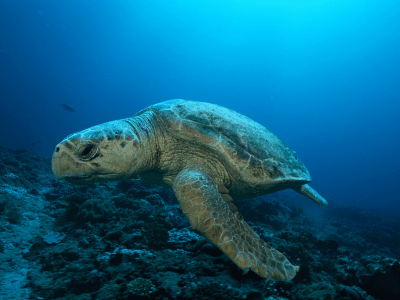
The nesting season, typically running from May through October, is a critical time for the survival of several species, including the Loggerhead (Caretta caretta) and Green sea turtles (Chelonia mydas), and other species that are believed to have been seen, but there are no official records confirming their existence. Loggerhead and Green sea turtles are frequently observed on Cozumel's shores. The female turtles emerge from the ocean under the cover of night, using a combination of the Earth's magnetic field and an instinctual memory of the beach's unique chemical signature to navigate back to the precise location where they were born decades earlier.
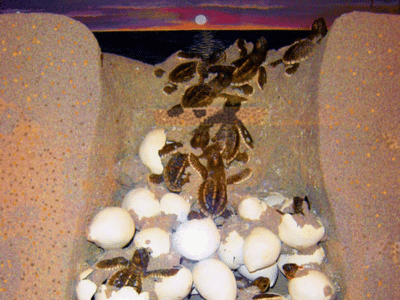
Understanding this phenomenon is not merely a matter of biological curiosity; it is absolutely critical for the conservation of these endangered and threatened species. The nesting process is fraught with peril. Females must find a suitable, undisturbed area above the high-tide line to dig a nest, deposit approximately over 100 eggs, and then conceal the nest before returning to the sea. The subsequent incubation period, lasting roughly two months, is vital, and the hatchlings' race to the ocean is a high-stakes struggle for survival.
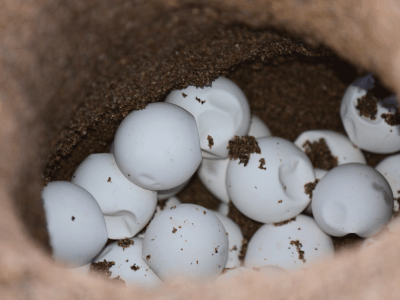
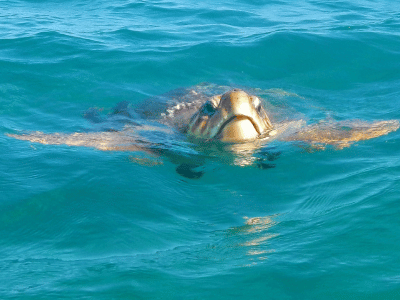
Cozumel is a vital nesting site for three sea turtle species:
Each species plays a role in the marine ecosystem. Green turtles maintain healthy seagrass beds, and Hawksbills support coral reefs by feeding on sponges.
Their sex is determined by temperature: warmer sand produces more females; cooler sand produces more males. This mechanism makes the species highly vulnerable to climate change, as rising temperatures can disrupt the population balance.
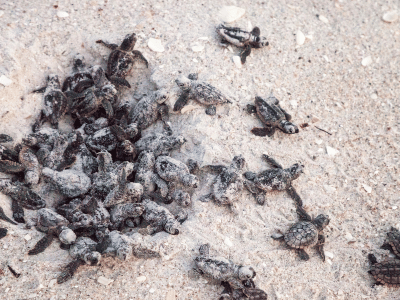
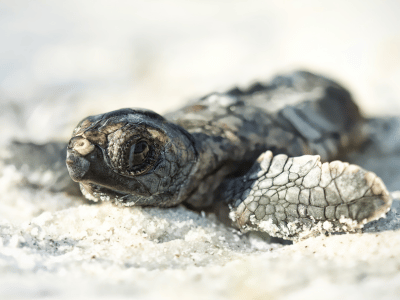
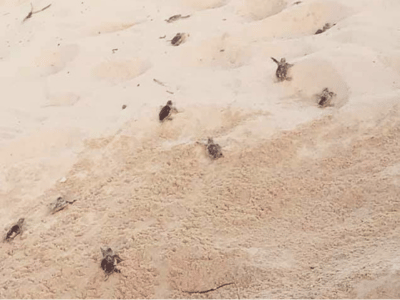
Hatchling survival is low. Once they emerge, typically at night, they instinctively head toward the ocean. Only about 1 in 1,000 survives to adulthood, facing threats from predators (birds, crabs) and disorientation from artificial lights.
Human activity, such as coastal development, artificial light pollution disorienting the hatchlings, vehicle traffic on beaches, and pollution, poses significant threats to every stage of the sea turtle's life cycle.
From the moment they hatch, baby sea turtles face overwhelming odds. After emerging from their nests, they instinctively race toward the ocean, but along the way, many obstacles stand in their path. In recent years, excessive sargassum has made this journey even more difficult. Thick layers of seaweed can trap or exhaust hatchlings before they ever reach the water.
This is why ongoing beach cleaning efforts and sargassum containment projects are so important. By keeping shorelines clearer, we help create a safer path for these tiny turtles, giving them a better chance to reach the sea and avoid predators like fish waiting just offshore. Protecting this early stage of life is essential for the survival of these remarkable species.
Therefore, dedicated local and international conservation efforts, including beach patrols, nest protection programs, and public awareness campaigns, are paramount to ensuring the continuity of this timeless biological event on Cozumel's precious coastline.
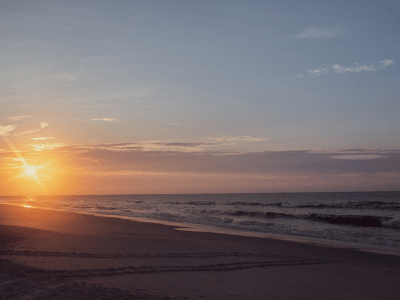
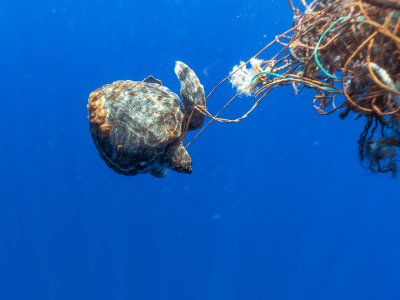
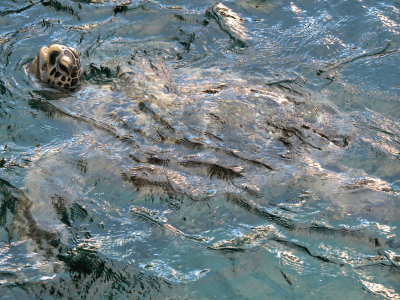
Local organizations and volunteers in Cozumel work during the nesting season (typically May through October). Their conservation efforts include:
These programs have improved hatchling survival rates.
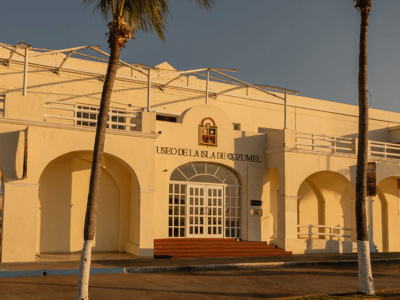
You can fully immerse yourself in these experiences through opportunities such as sea turtle camps, nature parks, museums, and various other conservation and ecological centers.
Each location provides a distinct chance to truly connect with the island's natural splendor, allowing you to feel like more than just a visitor, but an integral part of something meaningful.
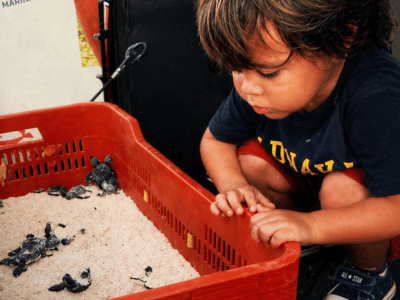
Sea turtles survived the age of dinosaurs, but their future relies on human collective action. Visitors can help by following simple guidelines:
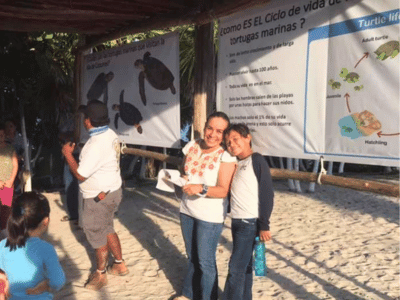
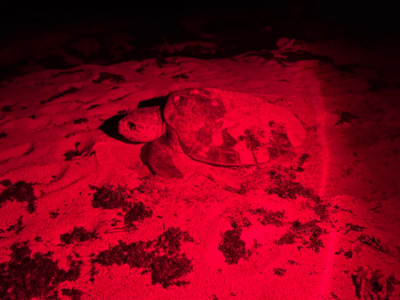
In some areas of the island, and across the Mexican Caribbean, sections of the beach are marked off.
You’ll usually see stakes or small barriers, often in bright colors like red, placed directly over the nest.
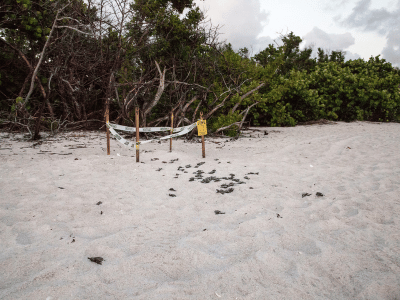
These are set by turtle conservation camps to monitor and protect the nests,
so it’s important not to remove or disturb them.
If you come across one, give it space, walk around the area.
You’ll often notice small mounds in the sand, which are a sign of a nest.
It’s best to stay completely clear of that spot.
During nesting season, you’ll find many of these on the east side of the island.
A few months later, hundreds of baby turtles will emerge after hatching.
And if you’re on the island at the right time,
you might even witness the process yourself.
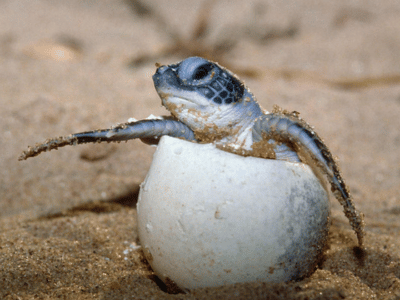
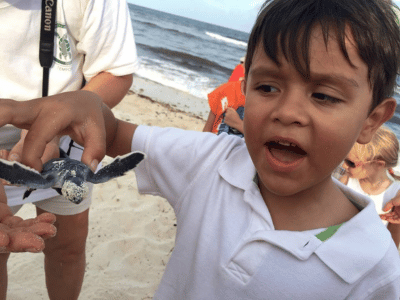
Witnessing this event is a powerful experience. In Cozumel, every action on the beach impacts the species' survival. By acting responsibly and supporting conservation, we help ensure this ancient process continues.

Only join official groups that respect safety and environmental guidelines. You can find more information in the following groups:
The turtle was a significant figure in Maya cosmology, frequently symbolizing the earth and the very act of creation. A central concept was the belief in the world emerging from a turtle shell.
This symbolism is evident in ancient carvings and codices, which portray the turtle as part of the Maya's interconnected view of nature. Their understanding went beyond a single species; it was about the vital balance between the land, the sea, and all life. This enduring connection to nature remains palpable across the region today.
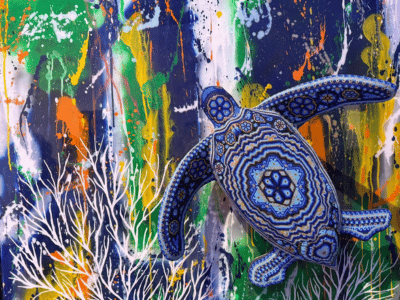
Huichol Art
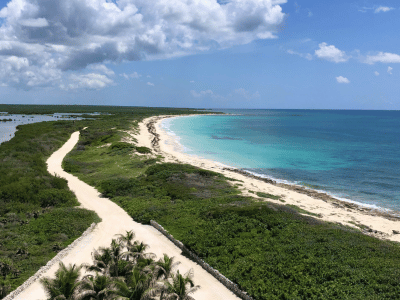
Not just because of its beauty, but because it offers the right conditions.
Warm, stable temperatures, and sandy beaches with the right depth and texture for nesting.
These beaches are shaped in a way that helps protect nests, from flooding and strong tides.
Low disturbance also matters, minimal light and limited human activity make it easier
for turtles to come ashore.
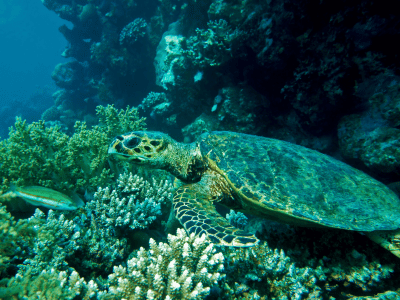
Just offshore, there’s another key factor: food.
Coral reefs and seagrass beds provide a reliable source of nutrition.
And one of the most important things, sea turtles return to the same region where they were born,
generation after generation.
All of this creates a habitat that works, and that’s why this cycle continues here today.
Just off Cozumel's shore lies a spectacular part of the Mesoamerican Barrier Reef System, the second largest in the world. These reefs offer more than just stunning turquoise waters; they are critical natural barriers that lessen wave impact, helping to protect the island's coastline.
These underwater ecosystems are also thriving habitats for a vast array of marine life, including the species essential for sea turtle survival.
Healthy reefs equate to a healthier overall ecosystem, providing the essential balance that sustains life on Cozumel over time.
Choosing to live here means becoming a part of this delicate balance, respecting it, protecting it, and experiencing it every day. Your place in paradise is waiting for you.
Contact us today to start your journey and learn more about this topic that resonates with our passion.