
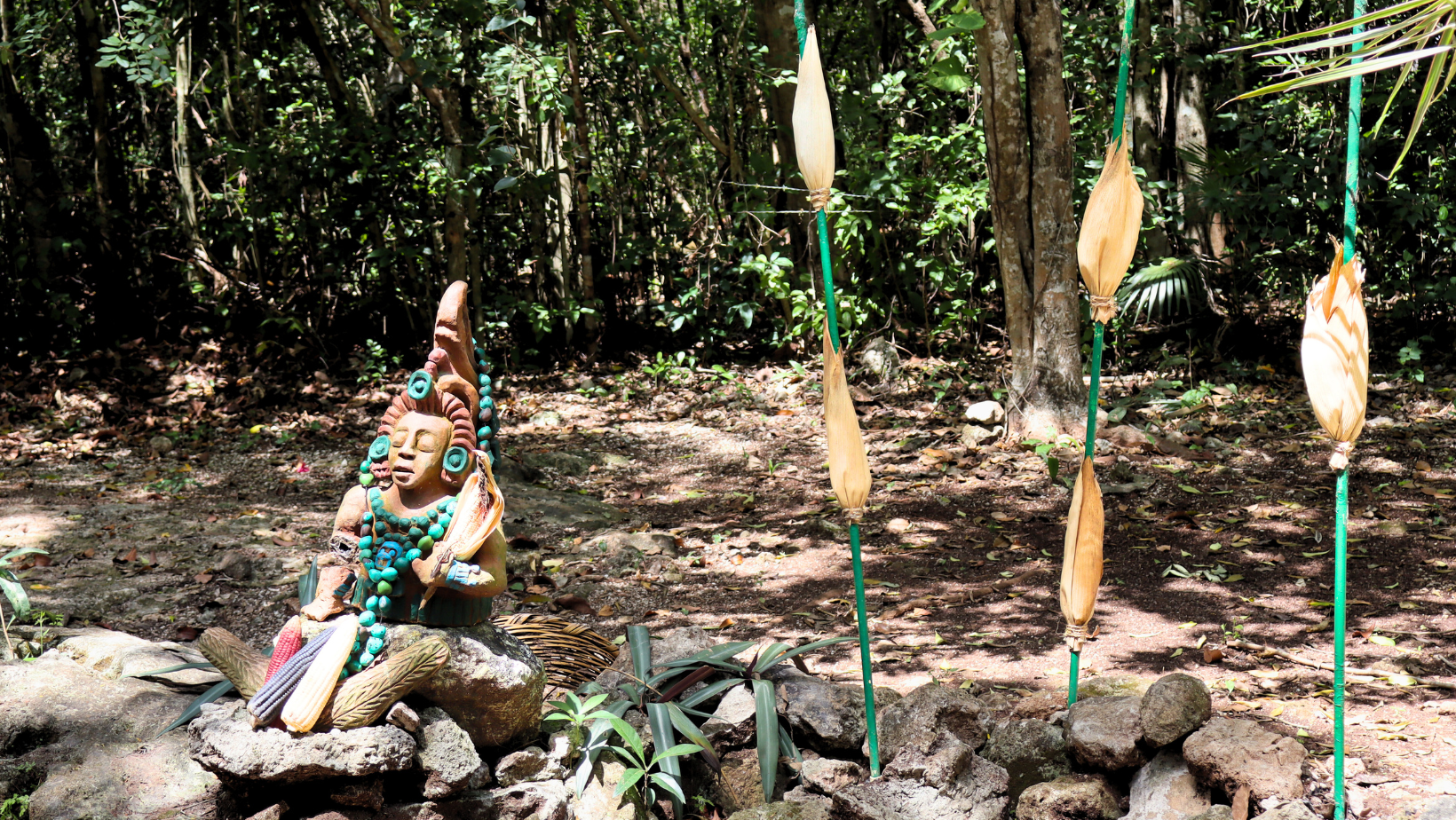
In Mexico, corn is not merely a menu item; it forms the very foundation of the food system, much like rice in Asia or wheat in Europe.
This essential role is preserved even in Cozumel, an island with limited farming, where corn remains central to daily meals. Regardless of a restaurant's theme, cost, or target demographic, the fundamental offerings consistently feature tortillas, masa-based dishes, and other corn products.
This pervasive presence is not incidental but reflects a structural continuity that has endured despite geographic constraints, tourism, and global influences.
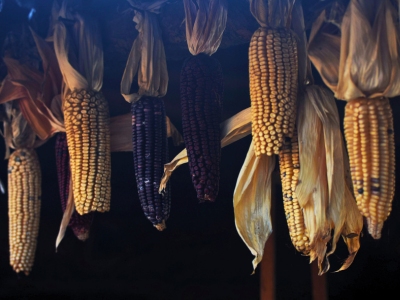
What we now call corn is the result of one of the earliest and most successful examples of human-led genetic transformation. Originating from teosinte, a wild grass with minimal edible value, early Mesoamerican farmers selectively bred it over thousands of years into a reliable food source. This wasn’t primitive agriculture, it was long-term bioengineering without modern tools. The result: a crop that could sustain entire civilizations, including the Maya, whose influence extended directly into Cozumel.
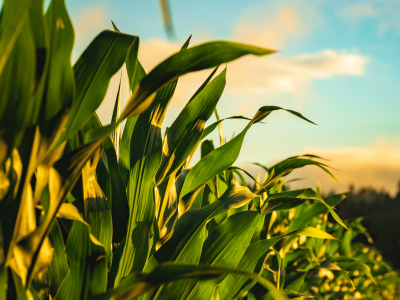
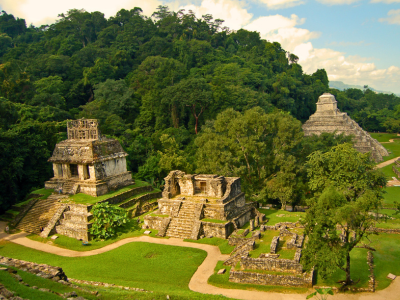
For the Maya, maize wasn’t symbolic, it was existential. According to their cosmology, humans were literally formed from corn.
This belief shaped not just religion, but social structure, agriculture, and daily rituals. In regions like Cozumel, which functioned as a pilgrimage site, these ideas weren’t abstract, they were lived. Corn moved through temples, offerings, and households with equal importance.
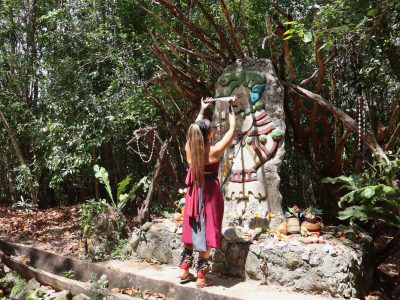
Unlike mainland Yucatán, Cozumel doesn’t offer expansive fertile land. Its limestone-heavy terrain limits large-scale farming. Yet historically, inhabitants adapted. Small-scale plots, localized techniques, and trade allowed maize to remain part of the system. This is key: corn didn’t disappear when conditions became difficult. It was adjusted.
That persistence is part of why it remains central today, even in a place that depends heavily on imported goods.
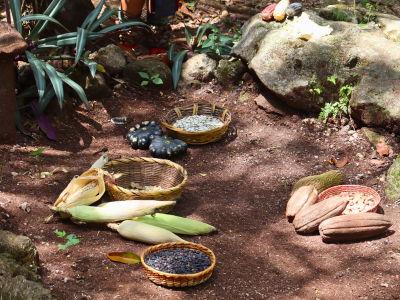
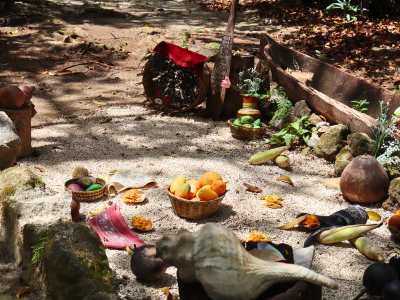
The history of corn (or maize) as a staple crop is inextricably linked to a sophisticated chemical process known as nixtamalization. In its raw, unprocessed form, corn presents a nutritional paradox: it is rich in several vitamins and minerals, yet many of these are biologically inaccessible to the human body.
The essential breakthrough that transformed corn from a merely adequate grain into the caloric foundation of entire civilizations was nixtamalization, the ancient, yet profoundly impactful, technique of cooking dried corn kernels in an alkaline solution.
Typically, this alkaline solution is created using water mixed with slaked lime (calcium hydroxide, often derived from limestone) or, in some regions, wood ash (potassium carbonate). This seemingly simple cooking and soaking process triggers a series of vital chemical and physical changes in the corn.
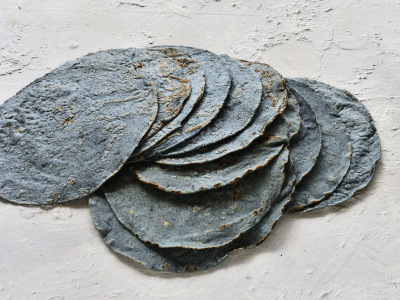
The most critical benefit of nixtamalization is its effect on niacin (Vitamin B3). Raw corn holds its niacin in a bound form called niacytin, which is indigestible by humans. Without nixtamalization, populations relying heavily on corn as their main food source, such as those in ancient Mesoamerica, would have suffered, and indeed did suffer in other parts of the world, from pellagra. This deficiency disease, characterized by the "four Ds" (diarrhea, dermatitis, dementia, and ultimately death), was virtually unknown in the regions where nixtamalization was practiced. The alkaline bath effectively hydrolyzes the hemicelluloses, freeing the niacin and making it readily available for absorption in the digestive tract, thereby ensuring nutritional completeness.
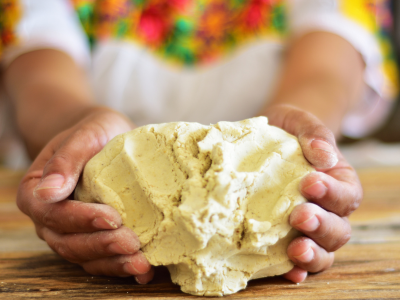
Beyond nutrition, nixtamalization fundamentally alters the texture and structure of the corn kernel. The process softens the hard outer hull (pericarp), allowing it to be easily removed by washing and rubbing. This cleaned, processed corn is called nixtamal.
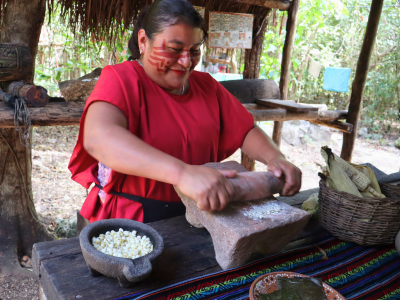
More importantly, the alkali breaks down the corn's cell walls, causing the kernels to swell and making the starches more gelatinous and manageable. When the nixtamal is ground, it doesn't just turn into simple flour; it forms a cohesive, pliable dough known as masa. This sticky consistency is what makes it possible to press the dough into the thin, elastic disks that become tortillas, or to shape it into tamales and various other foundational dishes of Mexican and Central American cuisine. Without nixtamalization, true masa cannot be made, and the resulting ground corn would be coarse and crumbly, unsuitable for making thin, flat breads.
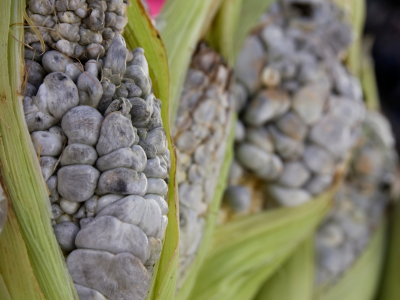
The discovery of nixtamalization, which is estimated to have occurred over 3,000 years ago in Guatemala or southern Mexico, is a monumental testament to the sophisticated understanding of applied chemistry by ancient Mesoamerican peoples, long before the development of modern scientific method. It is a process that is both a nutritional necessity and a culinary prerequisite.
In practical terms, every soft tortilla, every crisp tostada, and every corn-based dish consumed today is a direct, tangible result of this essential, life-saving chemical discovery.
It is not merely a cooking technique, but the very mechanism that made corn viable for sustaining massive populations.
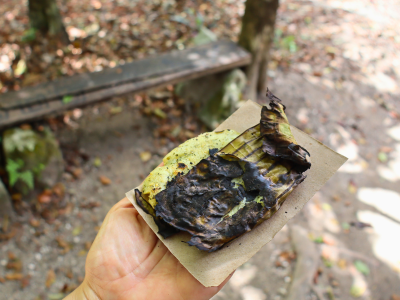
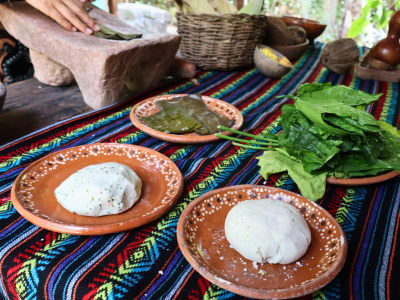
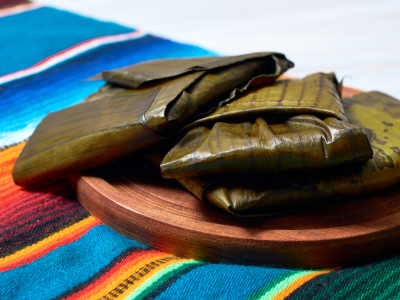
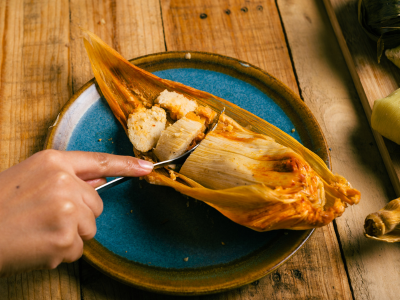
This is a tamal asado made with masa and chaya.
Chaya is an edible leafy green native to southeastern Mexico. Banana leaves are widely used in the region’s cuisine and are still commonly used today to wrap foods for roasting.
Inside, the texture is similar to a soft tortilla, with a subtle flavor reminiscent of spinach delicious, nutritious, and completely vegan.
-There are no photos of the tortilla… it didn’t last long. Sorry, everyone!
Tortillas are the most visible expression of corn culture, but what matters is volume and frequency. In many Mexican households, tortillas are consumed multiple times a day. They are not a side, they are a delivery system, utensil, and base layer of the meal. In Cozumel, this holds true across locals and long-term residents alike.
The consistency of tortilla consumption is one of the clearest indicators of how deeply corn is embedded in daily life.
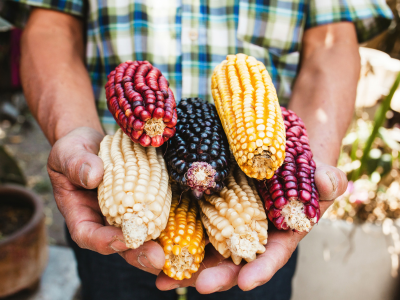
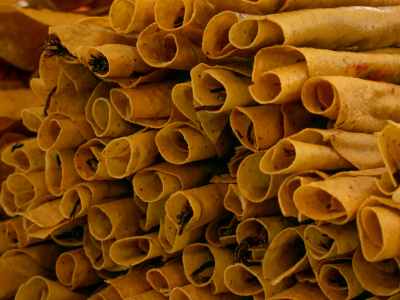
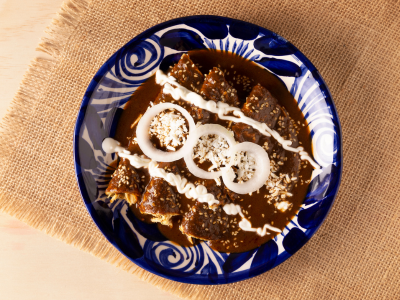
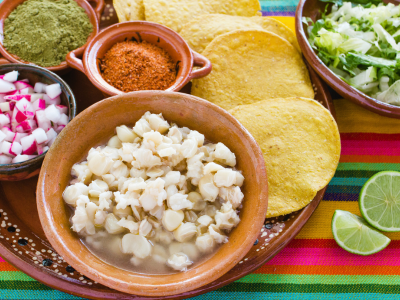
Okay, it’s undeniable, corn and masa are the foundation of our cuisine.
Think about it: one ingredient this versatile can take on so many forms. What’s truly surprising is the incredible variety, the countless ways it’s prepared and served, that will always make you stop and think, wait… this is corn!?
And when you really start paying attention, you realize corn shows up everywhere, far beyond what most people expect. It can be a drink, like tejuino, atole, or pozol, even transformed into traditional alcoholic beverages. It appears as snacks, crispy taquitos, golden empanadas, crunchy totopos, or street-style esquites, each with its own texture and flavor.
And of course, it takes center stage in full meals: enchiladas, sopes, and so much more. The beauty isn’t just in its presence, it’s in how endlessly it reinvents itself.
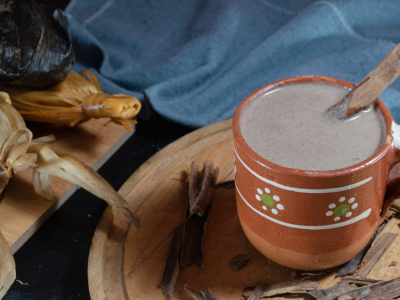
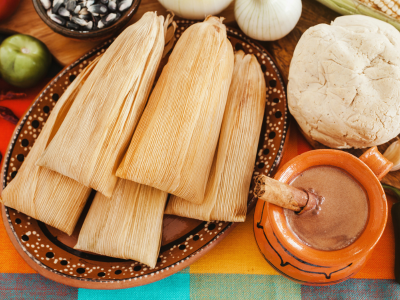
Tamales are where corn culture becomes labor-intensive. Unlike tortillas, they require preparation, coordination, and time. Masa must be prepared correctly, fillings developed, wrapping done by hand, and cooking managed carefully. Because of this, tamales often exist in collective settings, families or groups preparing large quantities together. In Cozumel, they remain tied to specific moments: holidays, gatherings, and early-morning routines.
Tamales are one of the oldest expressions of corn culture in Mexico, with roots tracing back to pre-Hispanic civilizations like the Aztecs and Mayans, who prepared them as portable, nourishing food for travelers, warriors, and rituals.
From that origin, they spread across the entire country, evolving with each region’s ingredients and traditions. In the north, you’ll find them wrapped in corn husks; in the south, especially in tropical areas, they’re often folded in banana leaves, giving them a deeper, more aromatic flavor.
Some are simple and comforting, made with just masa; others are richly filled, with meats, chiles, beans, or even sweet ingredients like fruits and chocolate. Today, tamales continue to evolve, embracing modern, gourmet twists with unexpected fillings and refined presentations, proof that even the most traditional dishes can keep reinventing themselves without losing their soul.
Cozumel is heavily influenced by tourism, which often reshapes local food systems. Yet corn has remained largely intact within daily consumption. While menus may adapt for international visitors, the underlying reliance on maize persists behind the scenes, in staff meals, local neighborhoods, and traditional kitchens.
This continuity is significant. It shows that corn is not just preserved for cultural display, but actively maintained as a functional part of life.
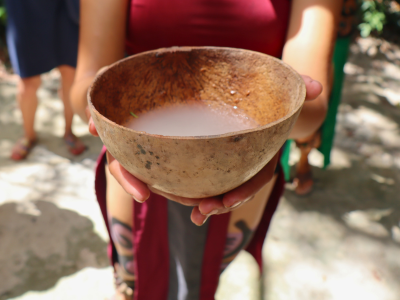
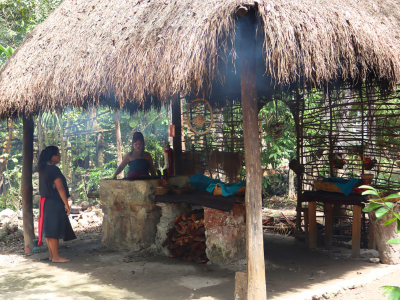
Rather than presenting corn as a static historical artifact, this site functions as a living archive.
Here in Cozumel, we have our own living testament to the legacy of corn.
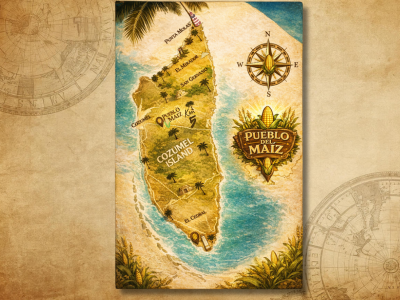
At Pueblo del Maíz, located around KM 5 on the transversal road, we spent an incredible day fully immersed in this heritage.
It’s more than just a tour, it’s an experience. We learned, we got our hands involved, and even made our own tamales, gaining a deeper understanding of the richness of corn and how it has been passed down through generations.
And of course, tasting it was unforgettable. Along the way, we also explored other ancient techniques: natural chewing gum, grinding our own chocolate, learning about honey and bees, and witnessing traditions that have stood the test of time.
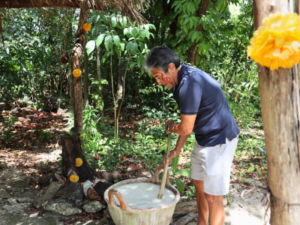
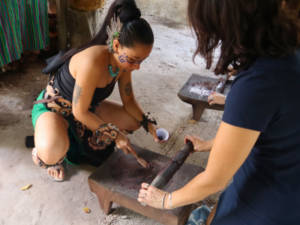
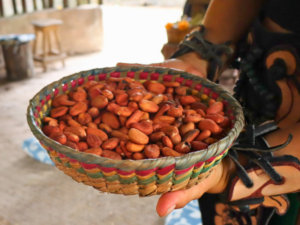
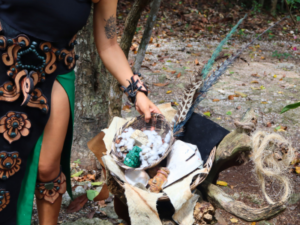
Mexican chocolate rooted in the rich legacy of cacao, is considered among the finest in the world.
It is believed that centuries ago, cacao made its way to Europe, where it was refined and introduced to global trade, shaping the chocolate we know today.
Its cultural importance has endured through time, much like corn, which our ancestors once offered as tribute to the gods in pursuit of prosperity and balance in Mayan life.
Alongside cacao, elements such as honey, cotton, and other natural resources have long been treasured gifts of the region.
The tour concludes with a truly phenomenal show, an unforgettable finale.
Special thanks to the entire team at Pueblo del Maíz Cozumel, and our guide, Xunaan.
-Congratulations to everyone involved!

Ask us anything, no question is too small!
It all comes together in a way that leaves you genuinely moved, grateful to have experienced, even for a moment, what corn truly means to us and why it continues to be such an essential part of our identity.
Traditions, flavors, or the experience itself, we’re here to share it all with you.
- The Karen Cozumel Real Estate Team