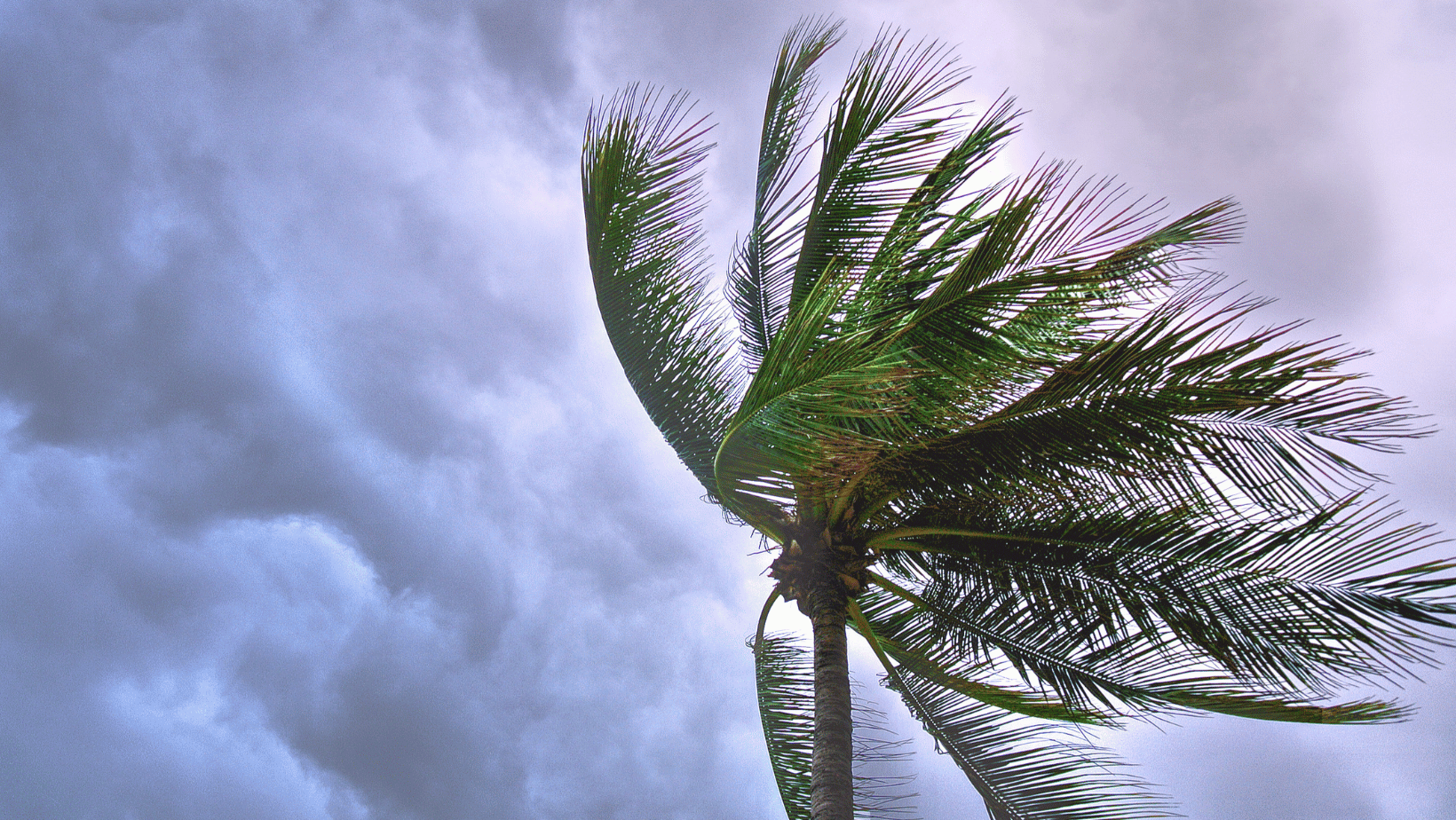
For many people who live in or visit the island of Cozumel, turquoise waters, tropical calm, and a relaxed lifestyle are part of everyday life. However, living in the Caribbean also means sharing a natural reality: hurricane season.
Throughout its history, Cozumel has experienced tropical storms and hurricanes of varying intensities. Some passed without major consequences, others left important marks on the island’s infrastructure and collective memory. Even so, one of Cozumel’s greatest strengths has always been its ability to prepare, respond, and recover.
In recent years, thanks to stronger civil protection systems, improved monitoring technology, and a growing culture of preparedness, the local population now has more tools to face these natural events safely and in an organized way.
Cozumel enjoys a warm tropical climate for most of the year. Temperatures generally range between 24°C and 32°C (75°F to 90°F), with high humidity levels and clearly defined rainy seasons.
Dry Season
Usually from November through April. During these months, sunny days prevail, humidity decreases, and winds tend to be milder. It is considered the most comfortable season for both residents and visitors.
Rainy Season
Typically extends from May through October. During this period, rainfall, thunderstorms, and humidity increase significantly.
Hurricane Season
The official Atlantic hurricane season begins on June 1st and ends on November 30th. The months with the highest activity are generally August, September, and October.
Although not every storm makes landfall, Cozumel’s geographic location means the island remains under weather monitoring throughout the season.
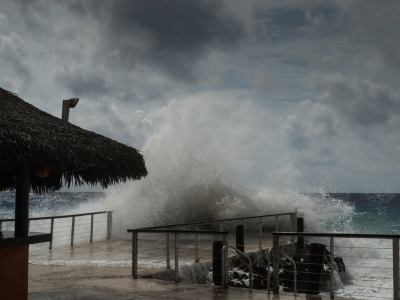
Not all hurricanes have the same intensity. Their strength is measured using the Saffir-Simpson Scale, which classifies storms into five categories.
Category 1
Winds between 119 and 153 km/h (74–95 mph).
May cause fallen branches, minor roof damage, and temporary power outages.
Category 2
Winds between 154 and 177 km/h (96–110 mph).
The risk of structural damage and localized flooding increases.
Category 3
Winds between 178 and 208 km/h (111–129 mph).
Considered a major hurricane. It can cause significant damage to homes, roads, and public services.
Category 4
Winds between 209 and 251 km/h (130–156 mph).
Can create severe infrastructure damage and may require large-scale evacuations.
Category 5
Winds above 252 km/h (157 mph).
Represents the highest intensity level and can result in widespread destruction.
It is important to remember that a hurricane’s category does not always reflect all possible dangers. Heavy rainfall, flooding, and storm surge can represent serious risks even during lower-category storms.
Hurricanes are fueled primarily by warm ocean waters. During summer, the Caribbean and tropical Atlantic often reach high sea temperatures, creating favorable conditions for storm development.
The Role of Climate Change
Various scientific studies suggest that global warming may influence the intensity of certain hurricanes. Rising ocean temperatures provide more energy for these systems.
While this does not necessarily mean there will be more hurricanes each year, there is growing concern about potentially stronger storms and heavier rainfall events.
Remembering Hurricane Wilma
One of the most memorable events in the region was Hurricane Wilma. Wilma severely impacted the Yucatán Peninsula and caused significant material damage in Cozumel and nearby areas.
Hurricane Wilma hit Cozumel on October 21st, 2005. It made landfall as a Category 4 hurricane and became one of the most devastating storms in the history of Quintana Roo.
Wilma also remained stationary over the area for more than 50 hours, causing severe damage throughout Cozumel, Cancún, and the Riviera Maya.
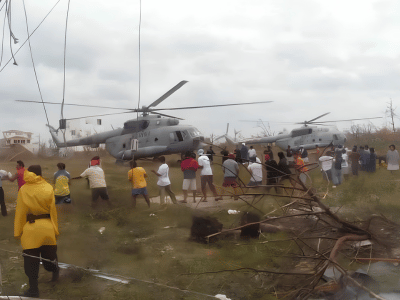
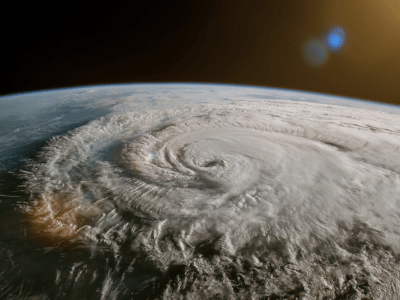
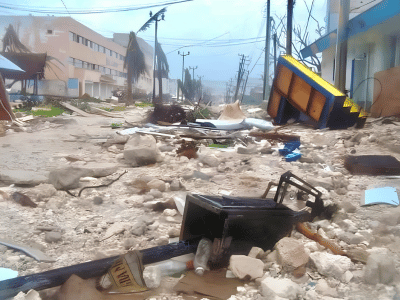
Karen and Ricardo immigrated from Europe to start their dive operation in Cozumel just three weeks before Hurricane Wilma hit the island. What began as an exciting new chapter quickly turned into one of the most difficult moments of their lives.
But like many stories born from Wilma, something meaningful emerged from the devastation. Neighbors came together. People shared what little they had. Streets were cleaned side by side, friendships were formed, and complete strangers became a support system for one another.
It was a terrible experience, yet at the same time, beautiful things came out of it. Many people left the island afterward, but those who truly loved Cozumel stayed, rebuilt, and grew closer as a community.
Since then, emergency protocols, communication systems, and community preparedness have improved considerably.
One of Cozumel’s greatest strengths is the strong coordination between local, state, federal, and community institutions.
Civil Protection
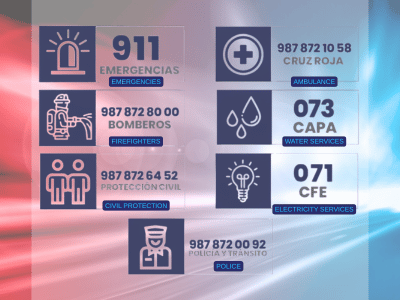
Civil Protection authorities are responsible for monitoring storms, issuing alerts, and coordinating evacuations or temporary shelters.
Firefighters and Paramedics
Fire departments and medical emergency teams work continuously during emergencies, responding to accidents, rescues, and health-related assistance.
Military and National Guard
During major hurricanes, the Mexican Army and National Guard often participate through emergency response and humanitarian aid operations.
Local Community
Beyond official institutions, solidarity among neighbors, hotels, businesses, and foreign residents is an essential part of the island’s response system.
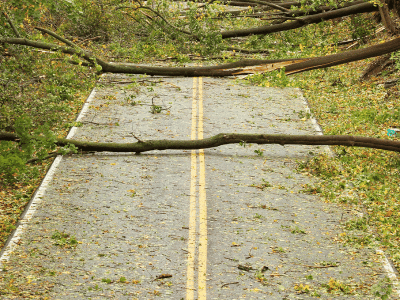
After a major hurricane, recovery efforts usually involve both national and international support.
Government and Organizational Assistance
Government agencies, nonprofit organizations, and volunteer groups frequently participate in delivering food, drinking water, medicine, and essential supplies.
Community Solidarity
One of Cozumel’s most valuable qualities is its strong sense of community. Neighbors help neighbors. Hotels assist shelters. Restaurants donate meals. Families share resources.
Experience has shown that even after powerful storms, recovery often begins quickly thanks to collective effort and cooperation.
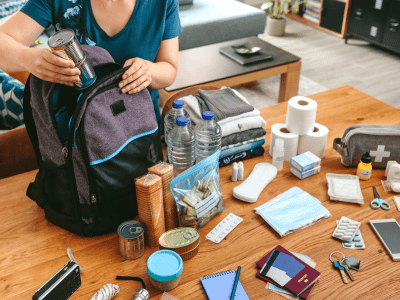
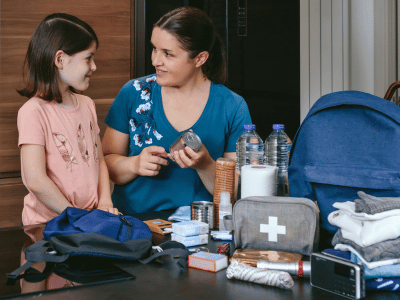
Early preparation can make a tremendous difference. Many basic recommendations are simple, yet highly effective.
Drinking Water
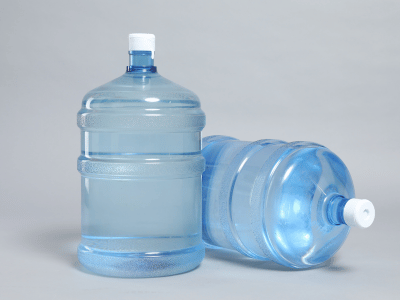
It is recommended to store enough water for several days for both drinking and basic hygiene.
The water supply is usually shut off during the storm to help prevent external contamination. Electricity is also often cut, so it’s important to keep your rooftop water tank full before the hurricane arrives, since the added weight makes it harder to move during strong wind gusts.
It’s also very helpful to fill a few buckets with water ahead of time for basic hygiene needs such as washing dishes or flushing toilets. This helps conserve the water stored in your tank during the storm.
Non-Perishable Food
Canned goods, energy bars, nuts, and easy-to-store foods are ideal during emergencies.
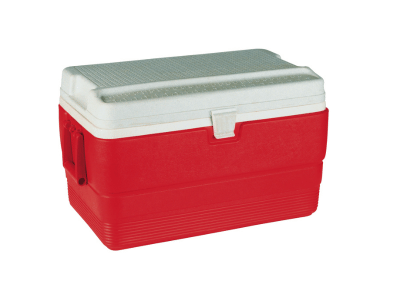
Try to stock up on food that can be prepared without cooking. For perishable items that may spoil once opened, it’s best to have at least one cooler with enough ice to keep food fresh for as long as possible during the storm.
Gas and Fuel
Keeping propane tanks full and maintaining enough fuel helps during possible service interruptions. If you have water tanks or any equipment on the roof of the property, make sure everything is properly secured so nothing becomes a projectile during the hurricane.
Window and Door Protection
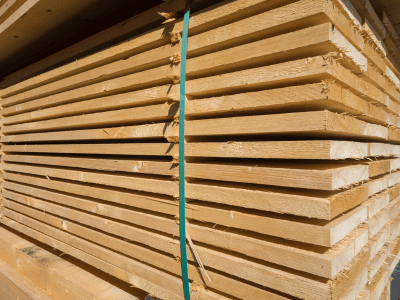
In some cases, installing shutters or protective panels can reduce damage from wind-driven debris. Some people also choose to buy plywood boards to cover and protect windows from heavy rain and strong winds. In some cases, it’s recommended to place tape across the glass in an “X” or star pattern to add support and help keep the glass in place if it happens to break during the storm.
Flashlights and Batteries
Temporary power outages are common during strong storms, making backup lighting and extra batteries essential. The traditional candles work very well during power outages, and installing solar-powered lights is also a great option. This way, you can avoid relying completely on electricity during the storm.
Important Documents
Passports, identification cards, insurance policies, and medical documents should be protected in waterproof bags or digitally backed up.
Do you have pets?
Make sure you have everything needed to keep them safely indoors during the storm: enough food, water, medications, and comfort items. Pet pads can also become your best friend when going outside is no longer an option.
Keep a few things nearby that make you happy. A good book, board games, art supplies, puzzles, card games, or anything that helps you stay relaxed and entertained, alone or with family.
Hurricanes often force us to disconnect from the outside world for a little while. No internet, no power, fewer screens… and strangely enough, it can feel like a small break from the constant noise of everyday life.
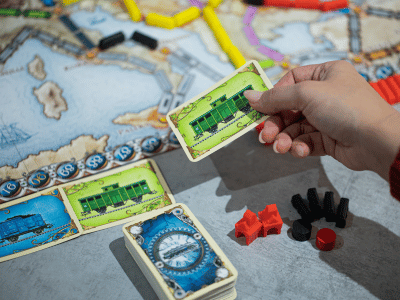
We’ve noticed that people experiencing their first hurricane are often surprised to see locals laughing, cooking together, playing games, or even enjoying the experience once preparations are complete.
They probably think we’re a little crazy, but honestly, it comes from years of experience. Storms have shaped part of island culture, and over time we’ve learned how to prepare properly, stay calm, help each other, and not live through every hurricane with overwhelming stress.
You will know about these situations well in advance. Our community has learned over generations how to handle storms and hurricanes, and in many ways.
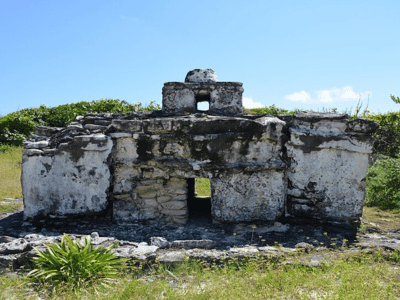
The ancient Mayans would place conch shells in strategic lookout points and use the changing northern winds as a warning sign of approaching storms.
Today, technology keeps us informed, weather alerts and hurricane updates are usually communicated with plenty of time to prepare, and we also know the specific season when these events are more likely to happen. We stay informed and organized, and it’s important that everyone remains safely at home until local authorities officially lift any curfew or safety restrictions.
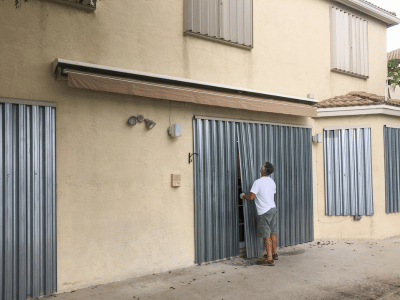
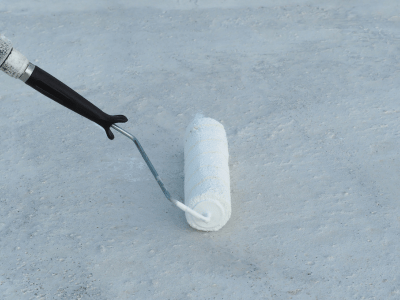
More and more permanent residents and homeowners in Cozumel are making improvements designed to increase safety and self-sufficiency.
Although hurricanes are part of life in the Caribbean, Cozumel today has far better prevention, communication, and emergency response systems than decades ago.
The key is not to live in fear, but to live prepared. Thousands of local and foreign residents have learned that staying informed, planning ahead, and remaining calm allows them to navigate hurricane season safely.
It’s also very important to remember that during the eye of the hurricane, conditions may suddenly become calm and it can seem like the storm has passed. However, everyone should remain indoors even if the weather appears clear outside. The second half of the storm will return, often with strong winds coming from the opposite direction.
It is never worth going outside to look around or walk during this time. Stay safe indoors until authorities officially confirm that the storm has completely passed.
The island has experience, infrastructure, and a community accustomed to working together when needed. Most seasons pass without major impacts, and when an important storm does occur, recovery is typically organized and relatively fast.
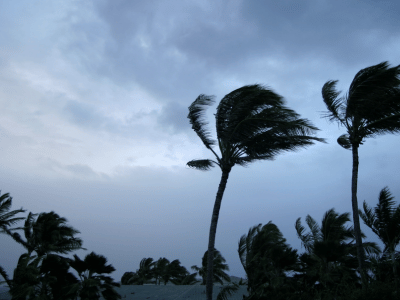
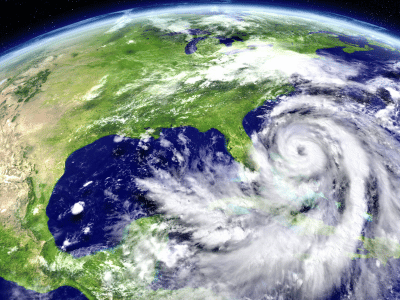
For many of us, hurricane season is something we've experienced before. We know the routines, the preparations, and what to expect. But for visitors, new residents, and those facing their first storm, the experience can feel overwhelming and even frightening.
As a community, one of the most valuable things we can offer is empathy.
A calm conversation, a helpful recommendation, sharing accurate information, or simply checking on a neighbor can make a meaningful difference. Preparing responsibly, avoiding panic buying, and looking out for one another helps ensure that everyone has access to the supplies and support they need.
Storms remind us that Cozumel is more than a destination, it is a community. And communities are strongest when people come together, support one another, and face challenges with kindness and respect.
Stay prepared, stay informed, and take care of each other.
Living in the Caribbean means enjoying extraordinary natural beauty, but also respecting the power of nature.
Experience has shown that responsible preparation and community cooperation are the most important tools during any hurricane season.
And of course, we are more than happy to help throughout the process and assist you with any questions or help you may need.
Contact us at: info@karencozumelrealtor.com
— The Karen Cozumel Real Estate Team