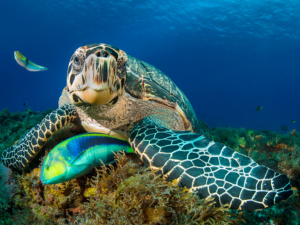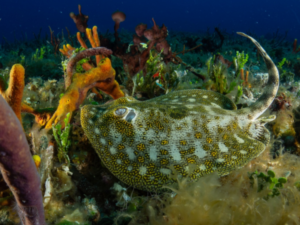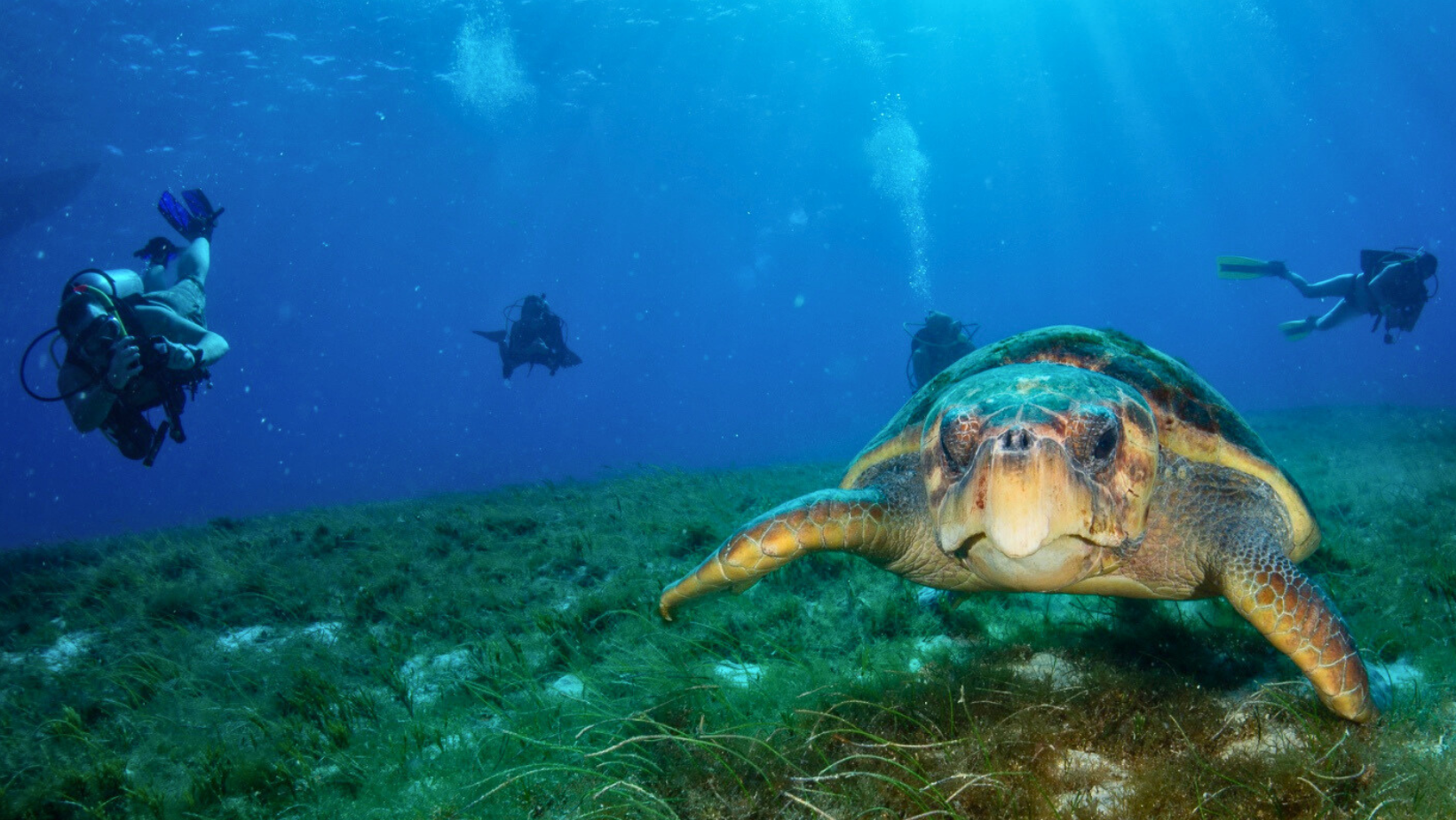
Forget what you think you know about Cozumel diving, March isn't just another month; it's honestly the peak season. It delivers a diving experience widely considered one of the absolute finest in the entire Western Hemisphere.
Everything just clicks in March: the ocean, the weather, the marine life, and the local vibe. The conditions are truly spot-on for everyone. Whether you're a seasoned pro, an underwater photography fanatic, a marine biologist, or just someone looking for an amazing trip, you'll find perfect water clarity, vibrant reefs, and great opportunities to see conservation in action.
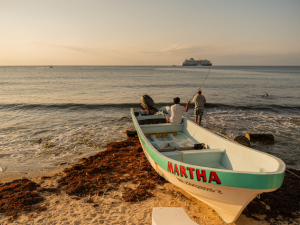
It's part of the amazing Mesoamerican Barrier Reef System, the visibility is insane (we're talking 100–150 feet, especially in March!), and you get to experience thrilling drift dives right along huge coral walls.
The island sits right on the edge of a massive underwater drop-off. This unique spot means nutrient-rich Caribbean water gets shot through the Yucatán Channel along the reef wall. This powerful current is what drives Cozumel's vibrant ecosystem, leading to thriving corals and tons of big fish action, it's what makes this place so much more dynamic than other reef spots.
For experienced divers, this is perfect. It means easy, controlled drift dives over deep walls, through cool swim-throughs, and across those neat spur-and-groove formations. You get to see maximum biodiversity with minimal effort.
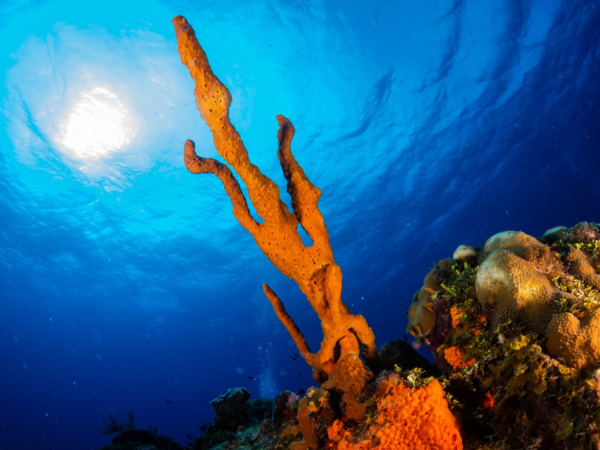
Cozumel’s modern diving legacy began in the late 1950s when oceanographer Jacques Cousteau explored and documented its reefs, introducing the island to the global diving community.
Cozumel's profound connection to the sea is ancient, dating back millennia to the Maya, who considered the island sacred and established ceremonial routes to honor the ocean's bounty.
This deep-rooted respect evolved, with Cozumel becoming a leader in regulated marine tourism in Mexico by the 1970s and 80s. Today, the island's marine park system is recognized as a regional model for effectively balancing conservation with dive tourism.
March perfectly embodies this heritage: it is a time when strong dive operations are active, yet the reef traffic remains manageable, arriving before the intense crowds of the peak holiday season.
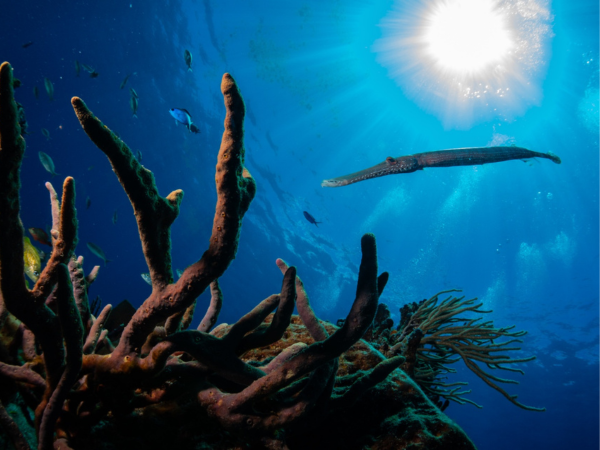
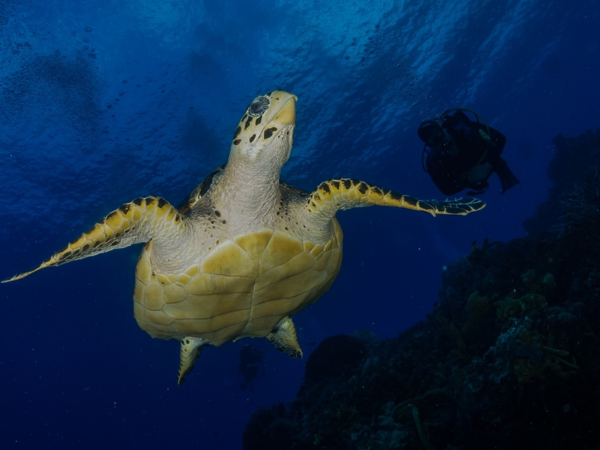
Cozumel, a renowned gem in the Mexican Caribbean, presents a paradise for underwater exploration, boasting an impressive catalog of over 30 named dive sites.
This vibrant collection of sites offers a diverse range of experiences for divers of all skill levels, from shallow, sunlit reefs teeming with juvenile life to dramatic, deep wall dives along the edge of the continental shelf. The island's position directly over the Mesoamerican Barrier Reef System, the second-largest barrier reef in the world, is the secret to its extraordinary biodiversity and spectacular underwater topography.
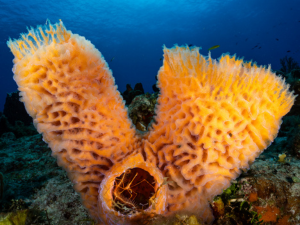
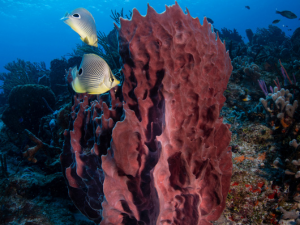
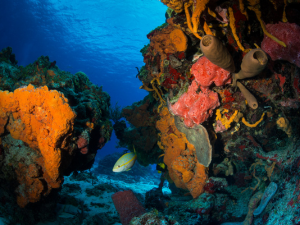
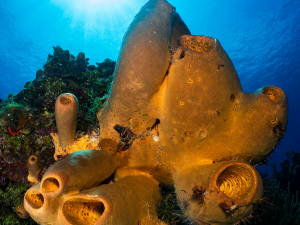
Divers are captivated by the crystal-clear waters, which often provide visibility exceeding 100 feet, allowing for perfect views of the majestic coral formations, including massive brain and star corals, and the dizzying variety of marine species that call this reef home.
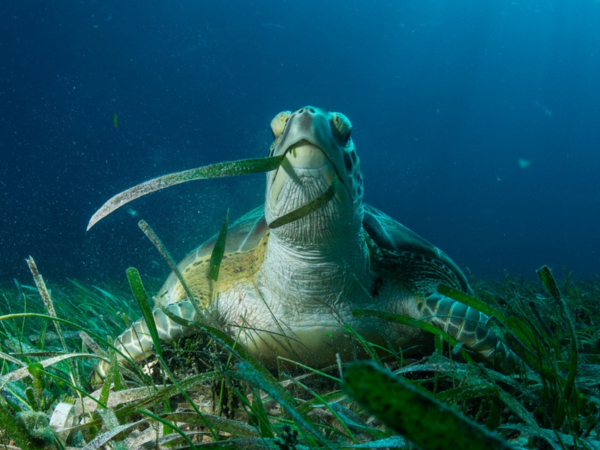
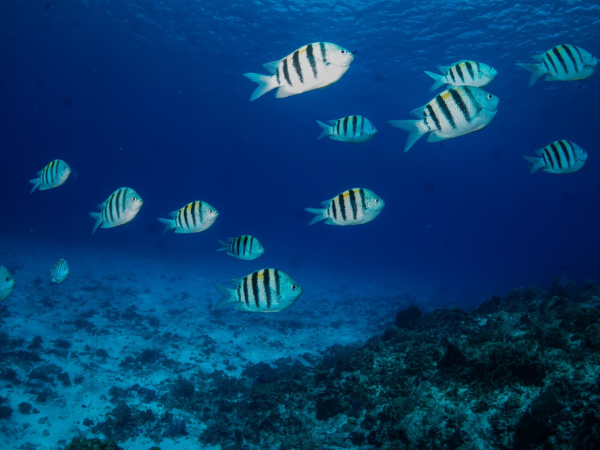
The reef structure follows a spur-and-groove morphology, which enhances water circulation and sediment removal, critical for coral health.
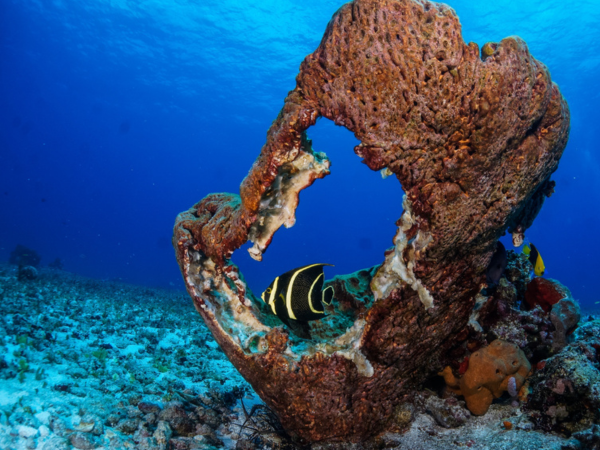
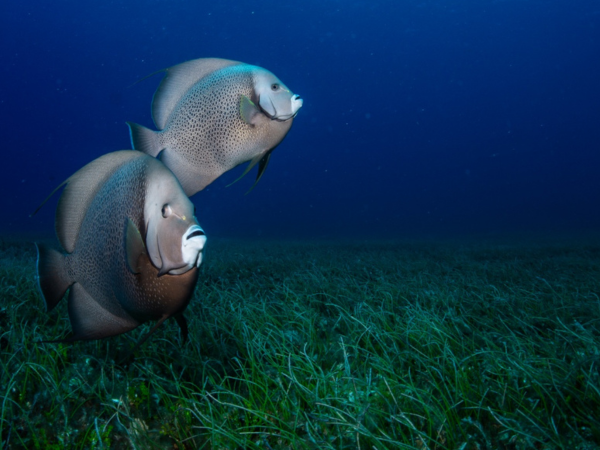
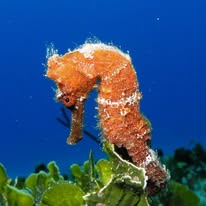
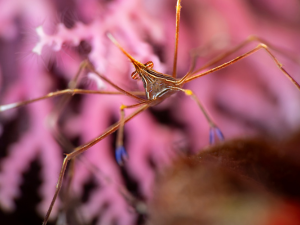
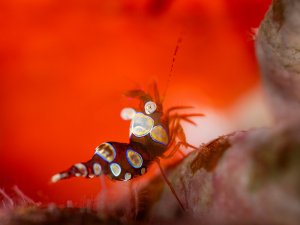
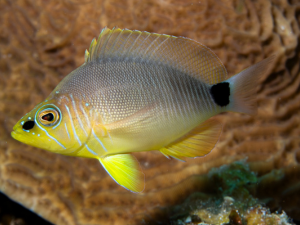
Marine life commonly observed in March:
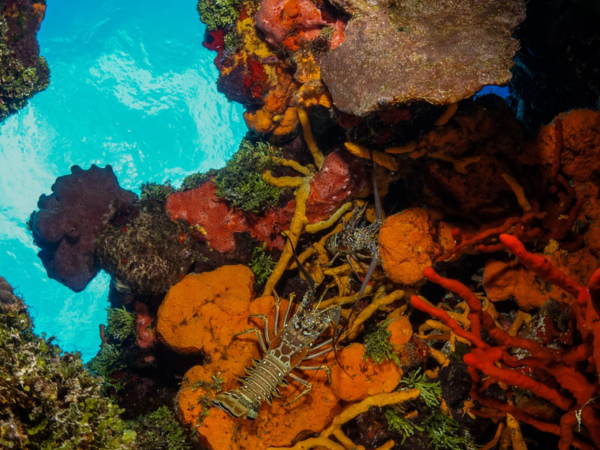
Cozumel has not been immune to global coral bleaching events driven by rising sea temperatures and ocean acidification. However, local initiatives have responded with active reef restoration programs.
Scientific efforts include:
Restoration efforts focus primarily on Acropora palmata (Elkhorn coral) and Acropora cervicornis (Staghorn coral), key reef-building species critical for structural complexity.
Excellent time to observe restoration sites because water clarity enhances visibility and sea temperatures are still moderate before summer warming.
Oceanographically, March represents a transitional period between winter northerly fronts (“nortes”) and the warmer, more humid late spring.
Key environmental advantages:
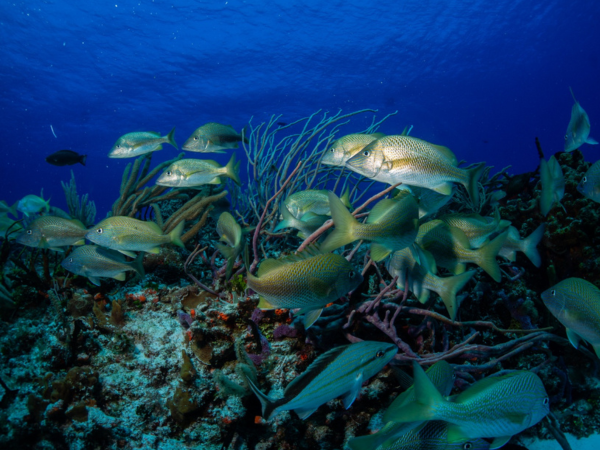
Biologically, reef systems show increased fish activity as daylight hours extend, stimulating feeding cycles and territorial displays.When the days get longer, it's a huge boost for the whole reef ecosystem. All that extra sunshine is a major kickstarter for the entire marine community. You especially notice it with the fish, they really step up their activity.
The extended daylight cues important feeding times. More visibility is a win-win for both the fish that hunt during the day and their food, meaning more intense and longer foraging sessions. Plus, with more energy and better light, fish are encouraged to show off their territories and get into mating rituals more often and in bigger ways.
This daily seasonal change is a big deal for keeping the reef environment lively and complex, affecting everything from who eats whom to successful reproduction.
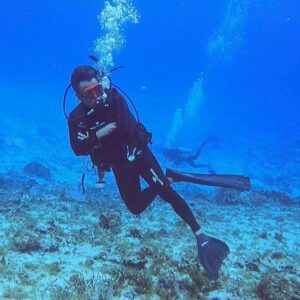
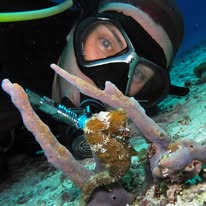
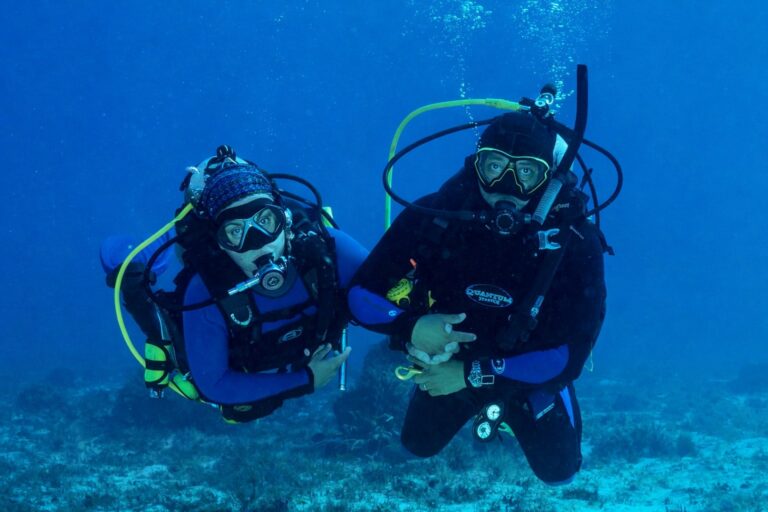
Karen and Ricardo founders of Karen Cozumel Real Estate are both certified dive instructors with more than 12,000 dives combined under their weight belts.
While today they focus on making dreams come true above the water, helping clients find homes in Cozumel, diving remains their lifelong passion.
If you are interested in:
They can recommend safety-oriented, conservation-aligned dive operators.
Local expertise matters, especially in drift diving environments.
Coral reefs face significant threats, including:
Even small changes in behavior contribute significantly to reducing long-term stress on reef ecosystems.
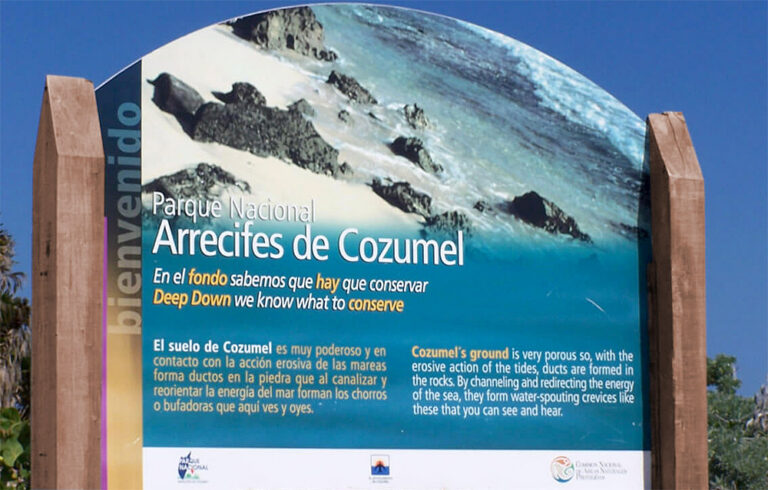
Cozumel is protected under the Parque Nacional Arrecifes de Cozumel, part of Mexico’s marine protected area network.
This designation regulates:
Reef access points
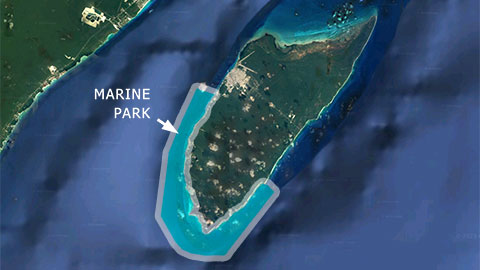
Marine protected areas (MPAs) are a cornerstone of effective marine conservation and have been scientifically proven across numerous studies to significantly increase fish biomass, enhance reproductive success among marine species, and bolster coral resilience against environmental stressors like warming waters and disease. These benefits ripple throughout the ecosystem, contributing to overall biodiversity and health.
Cozumel's commitment to marine preservation, particularly through the establishment and rigorous enforcement of its long-term conservation strategy, stands as a prime example of successful MPA implementation. This sustained effort has been critical in allowing the island's magnificent coral reef system to retain health level, the well-managed MPAs in Cozumel ensure that the ecological integrity of its iconic reefs, which are vital for tourism and local livelihoods, is maintained for future generations.
A Living Testimony: by Anette Gonzalez
I was raised in Cozumel, and if you grow up on an island like this, the sea is never just a view, it becomes part of who you are. I have watched the sun rise over the Caribbean more times than I can count, seen cruise ships come and go, witnessed hurricanes reshape our shores, and felt the quiet strength of a community that always finds its balance again.
When I was a child, divers already filled our docks early in the morning, tanks clanking, laughter mixing with the smell of salt and sunscreen. Back then, Cozumel was already known for its extraordinary reefs, vibrant coral gardens, dramatic walls, and that famous drift diving that carries you effortlessly along the current. The reefs were our pride, our treasure, and our responsibility, even if we didn’t always fully understand what that responsibility meant.
Over the years, the island has evolved. Hotels have grown taller. Restaurants have multiplied. Roads are busier. Technology has connected us to the world in ways we could not have imagined. Tourism has expanded, and with it, new opportunities and new challenges.
And yet, one thing has remained constant: people still come here to dive.
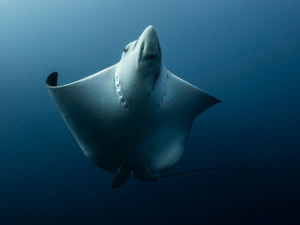
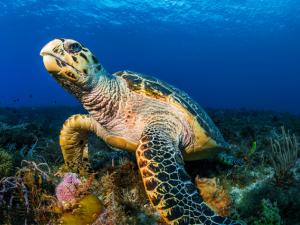
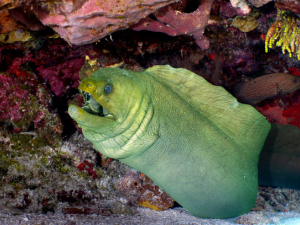
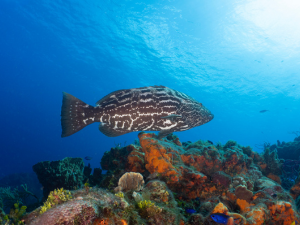
They come for the crystal-clear visibility, the graceful eagle rays, the turtles gliding above the reef, the delicate fans swaying in the current. They come because Cozumel offers something rare: an underwater world that feels alive, generous, and humbling all at once.
What has changed, though, is the mindset of many of those who visit.
Years ago, diving was mostly about adventure and beauty. Today, it is still that but it is also about awareness. I see divers arriving more informed, asking questions about reef-safe sunscreen, about marine park regulations, about coral bleaching and restoration projects. They don’t just want to see the reef; they want to understand it. They want to protect it.
Some even arrive with innovative techniques developed in other parts of the world, new coral restoration methods, monitoring systems, citizen science programs. Who would have imagined that ideas born thousands of miles away would find their way to our small island and help us strengthen our own conservation efforts? And yet, here we are, learning from one another.
There is something beautiful about that exchange. Cozumel has always shared its natural beauty with the world. Now, the world is sharing knowledge, tools, and solutions with Cozumel.
Of course, change does not happen overnight. If you ask me whether everything is perfect, I will tell you honestly: no. Our reefs still face pressures, from climate change, from development, from the simple reality that the ocean is fragile. Some days, the challenges feel overwhelming.
But I also see something different now, a shift.
I see dive operators enforcing better practices. I see tourists respecting no-touch policies. I see local initiatives planting coral fragments and monitoring reef health. I see children in schools learning about marine ecosystems with a sense of pride and urgency. I see conversations happening more often.
There is a growing understanding that natural places are not just attractions to be marketed or “must-see” spots to check off a list. They are living systems. They are testimonies of the world that surrounds us and of the delicate balance that sustains us.
I have come to believe that protecting natural places is more important than promoting them.
Of course, we want people to visit. Tourism is part of our livelihood. But the true value of our reefs is not measured in the number of dives sold. It is measured in their ability to continue existing, to remain vibrant, complex, and alive for generations to come.
As someone who has lived here, almost my entire life, I feel both protective and hopeful. Protective of our reefs, our mangroves, our shoreline. Hopeful because I see people who care, locals and visitors alike.
Cozumel has evolved. It will continue to evolve. That is inevitable.
But if there is one thing I wish to preserve above all, it is this: that when a diver descends into our waters for the first time, they still feel that same sense of wonder, that quiet moment when the noise of the world fades and the reef appears beneath them, alive and breathing.
Because at that moment, they are not just visitors.
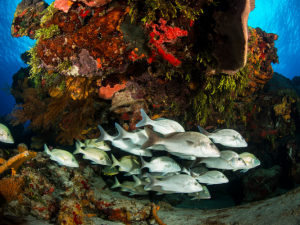
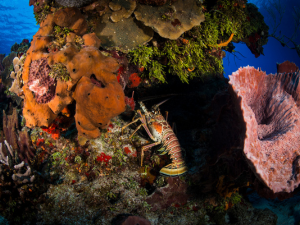
And if we do our part, if we protect rather than simply promote, our reefs will remain what they have always been: a living testimony of the extraordinary world that surrounds us, and a reminder of why it is worth preserving.
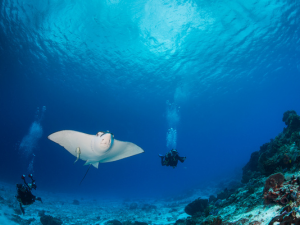
Many people don’t realize that a large portion of Cozumel is already protected. The Cozumel Reefs National Park safeguards roughly 12,000 hectares of marine area along our western coast, while the island is also part of the Flora and Fauna Protection Area of Cozumel, which covers most of our territory, including mangroves, wetlands, jungle, and coastal ecosystems. These mangroves are not just “swamps”; they are nurseries for marine life, natural storm barriers, and powerful carbon absorbers that help regulate our climate.
For years now, different conservation programs have been active here, coral restoration projects, scientific monitoring, environmental education initiatives, and opportunities open to all ages and abilities. You don’t have to be a certified diver to participate. You can snorkel, volunteer, support research, or simply learn and share awareness. Innovation continues to arrive from around the world, strengthening local efforts with new techniques and scientific advances.
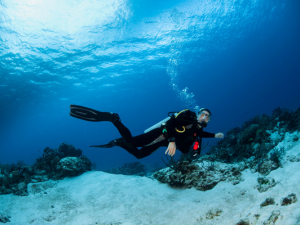
Curious to learn more? We’re passionate about these topics and would be happy to share details about conservation programs, research efforts, and how you can participate. Send us a message, we’d love to connect.
info@karencozumelrealtor.com
Our gratitude to:
For their extraordinary photography, capturing Cozumel’s subtle textures and for sharing with all of us, their love for Cozumel!
If you are interested in professional underwater photography sessions or services during your March visit, we would be delighted to connect you.
- The KCR Team