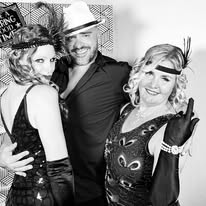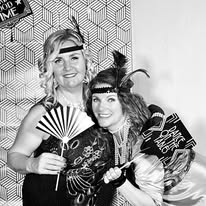
When people think of Carnival, they often imagine loud parties, costumes, and parades. In Cozumel, Carnival is all of that, but it is also something deeper. It is history, identity, memory, and community.
With roots going back more than 150 years, the Carnival of Cozumel is one of the oldest continuous Carnival celebrations in Mexico and the Yucatán Peninsula.
The earliest written reference to Cozumel’s Carnival dates back to 1874, when Claude Luther Goodrich Noble, a New York–born writer who lived on the island, described the festivities in a book published in Missouri.
He wrote of an island-wide celebration where people of all ages gathered to enjoy music, dancing, and informal parades. Instruments were simple, guitars, violins, drums, and cornets, but the spirit was joyful and inclusive.
By the late 1800s, Carnival was already a well-established tradition. Newspapers in Mérida mentioned Carnival activities in Cozumel as early as 1876, confirming that this was not a passing event, but a tradition deeply rooted in island life.
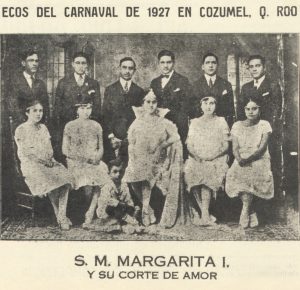
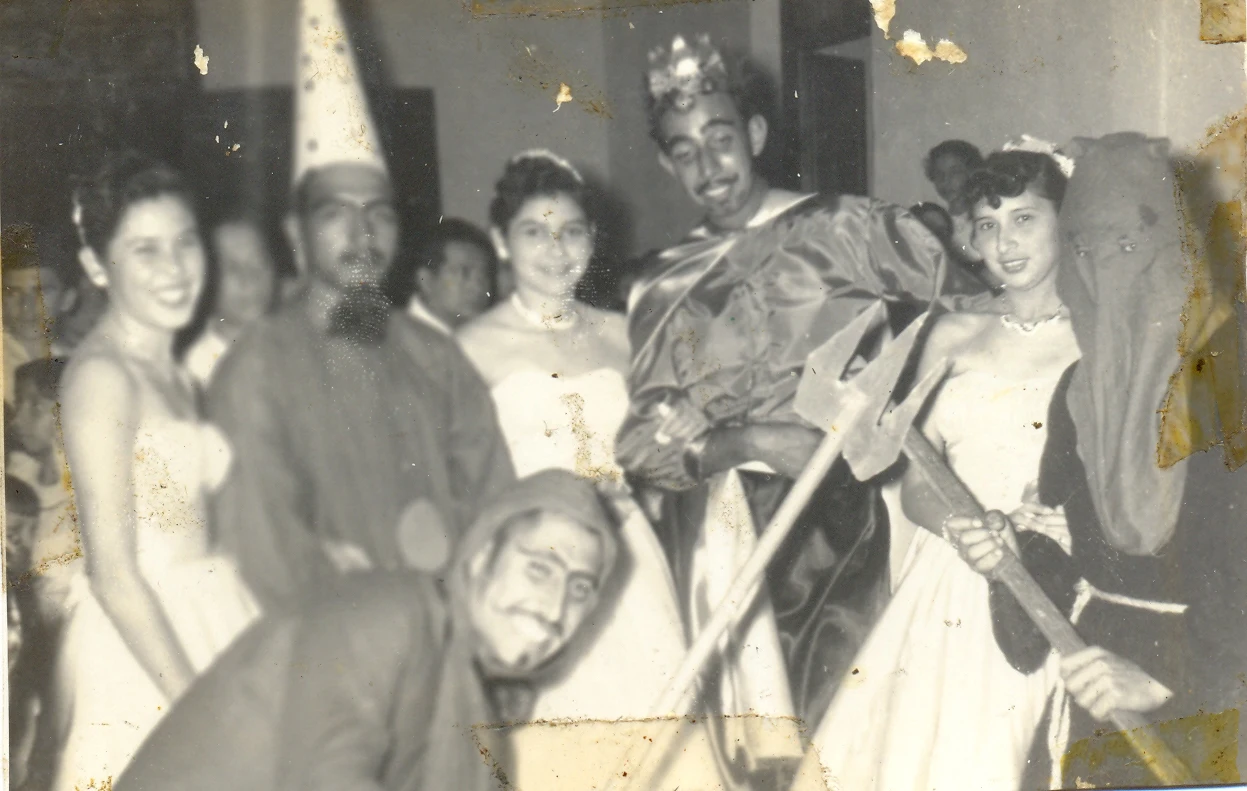
By 1908, official permits were being issued for Carnival dances, marking the beginning of more formal organization. This period gave rise to one of Carnival’s most beloved traditions: the coronation of the Carnival Kings and Queens.
The coronation introduced structure, symbolism, and ritual:
Families took pride in participating, and Carnival became a shared point of identity across generations.
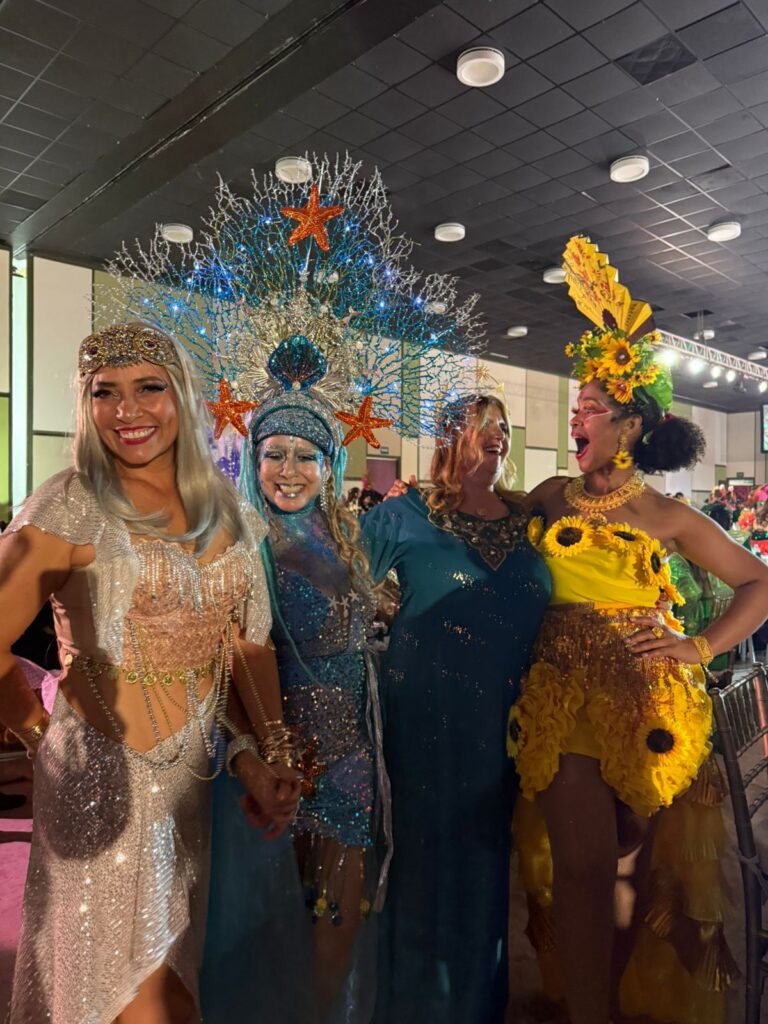
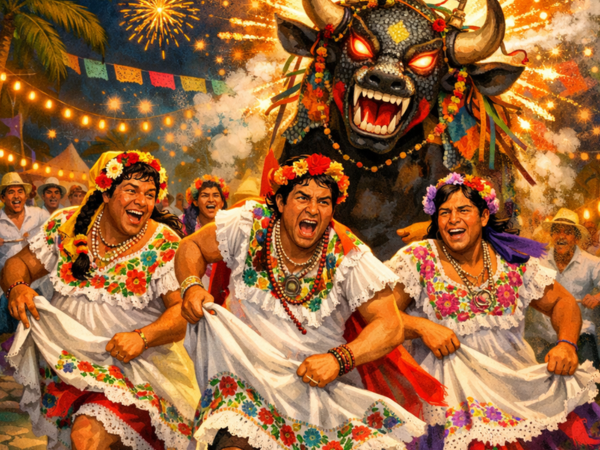
One of the most remarkable features of Cozumel’s Carnival is the survival of the Huacax-Ché, a traditional wooden bull rooted in Mayan and Yucatecan culture.
While many ancestral expressions disappeared elsewhere, the Huacax-Ché endured in Cozumel. Its presence represents:
The Huacax-Ché Bull is a symbolic figure that blends ancient Maya worldview with later popular Mexican traditions. Huacax-Ché (also known as Ya’axché) is the Maya name for the sacred ceiba tree, which represents the axis of the universe, connecting the underworld, the human world, and the heavens. The bull, on the other hand, comes from post-colonial festive traditions, where it symbolizes strength, abundance, and celebration. The Huacax-Ché Bull is not a pre-Hispanic mythological creature, but a modern cultural reinterpretation that honors Maya heritage while celebrating local identity through dance, festivals, and community events.
Each appearance of the Huacax-Ché is more than folklore, it is living history.
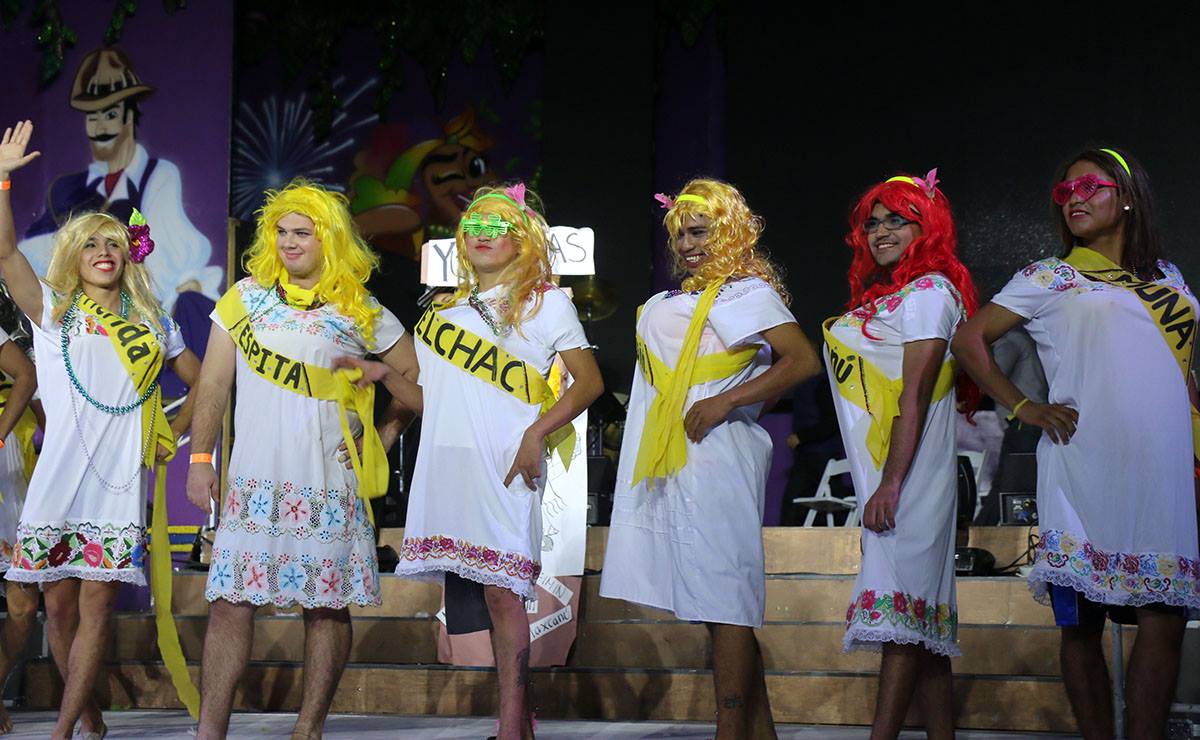
Cozumel has faced powerful hurricanes and difficult moments, especially in the 20th and early 21st centuries. Yet Carnival never disappeared.
Sometimes it was smaller. Sometimes simpler. But it always returned.
In those years, Carnival became a symbol of resilience.
WILMA Hurricane in 2005
Celebrating it meant saying, “We are still here.” For many locals, those modest Carnivals were among the most meaningful of all.
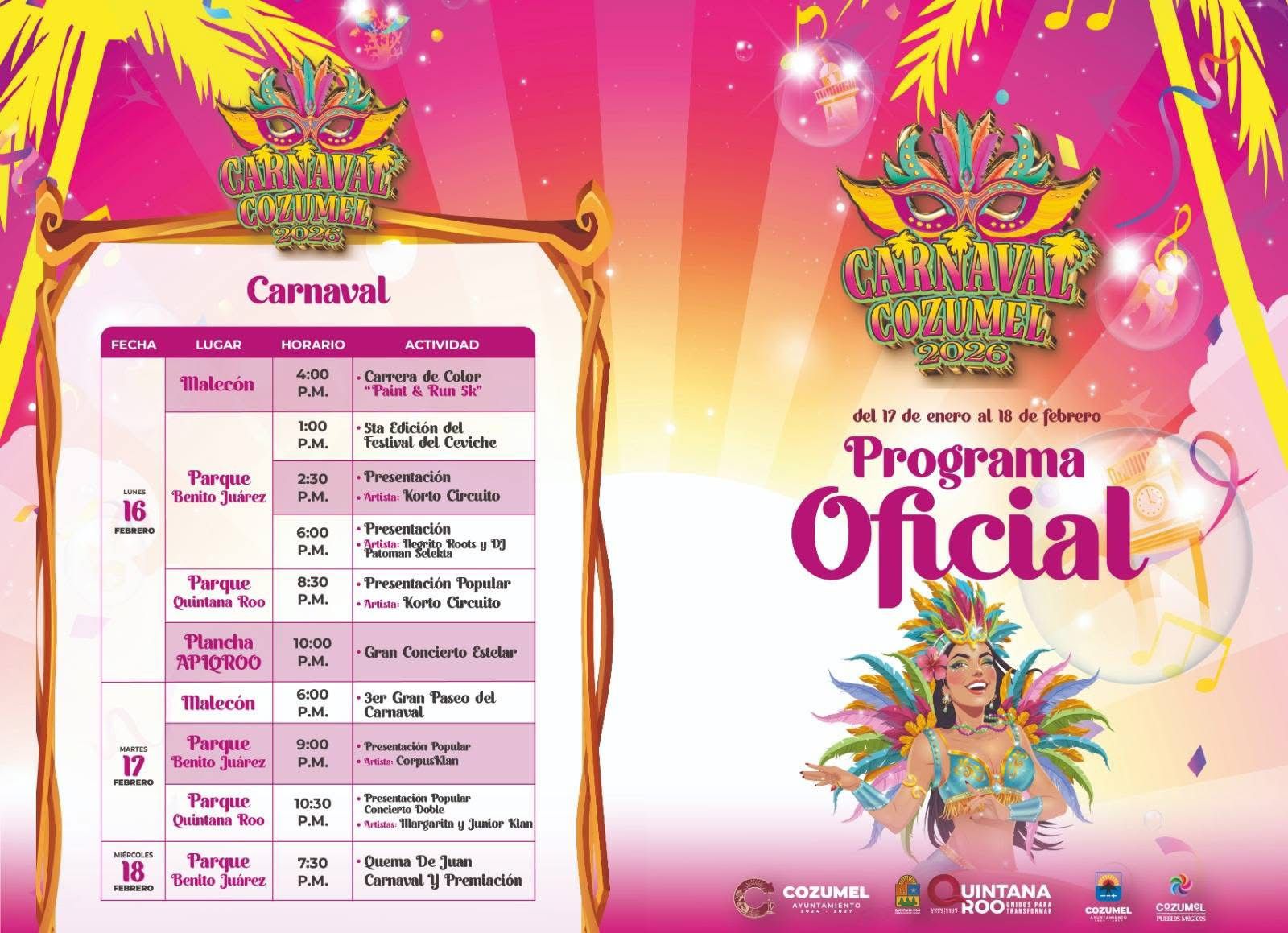
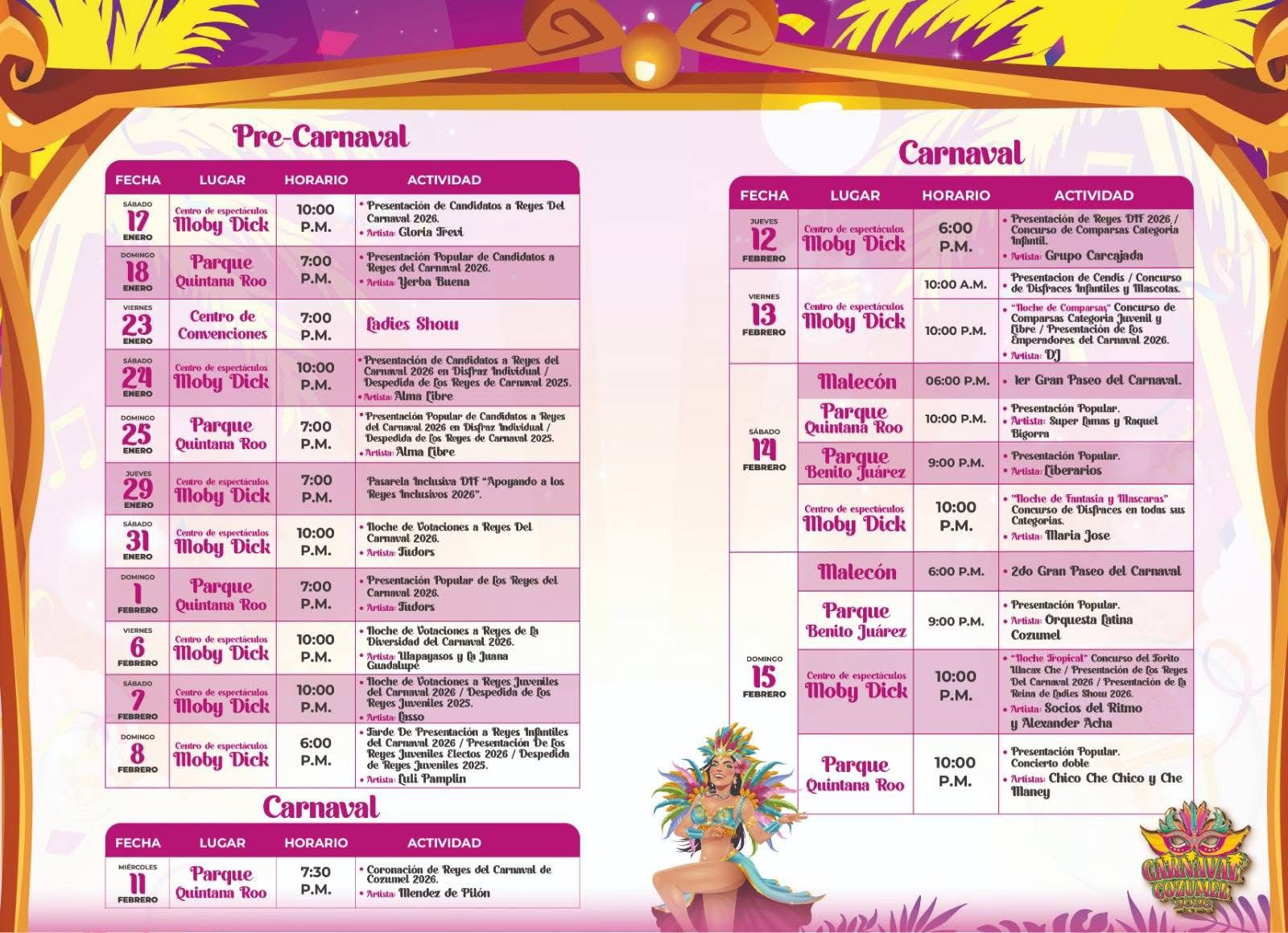
Modern Carnival in Cozumel unfolds in stages:
Pre-Carnival
Weeks before the main events, the island comes alive with rehearsals, competitions, and announcements. Music fills public spaces, and anticipation builds.
Coronations
Kings and Queens are crowned, adults, youth, children, and diversity representatives, symbolizing the opening of the “Kingdom of Joy.”
Parades and Comparsas
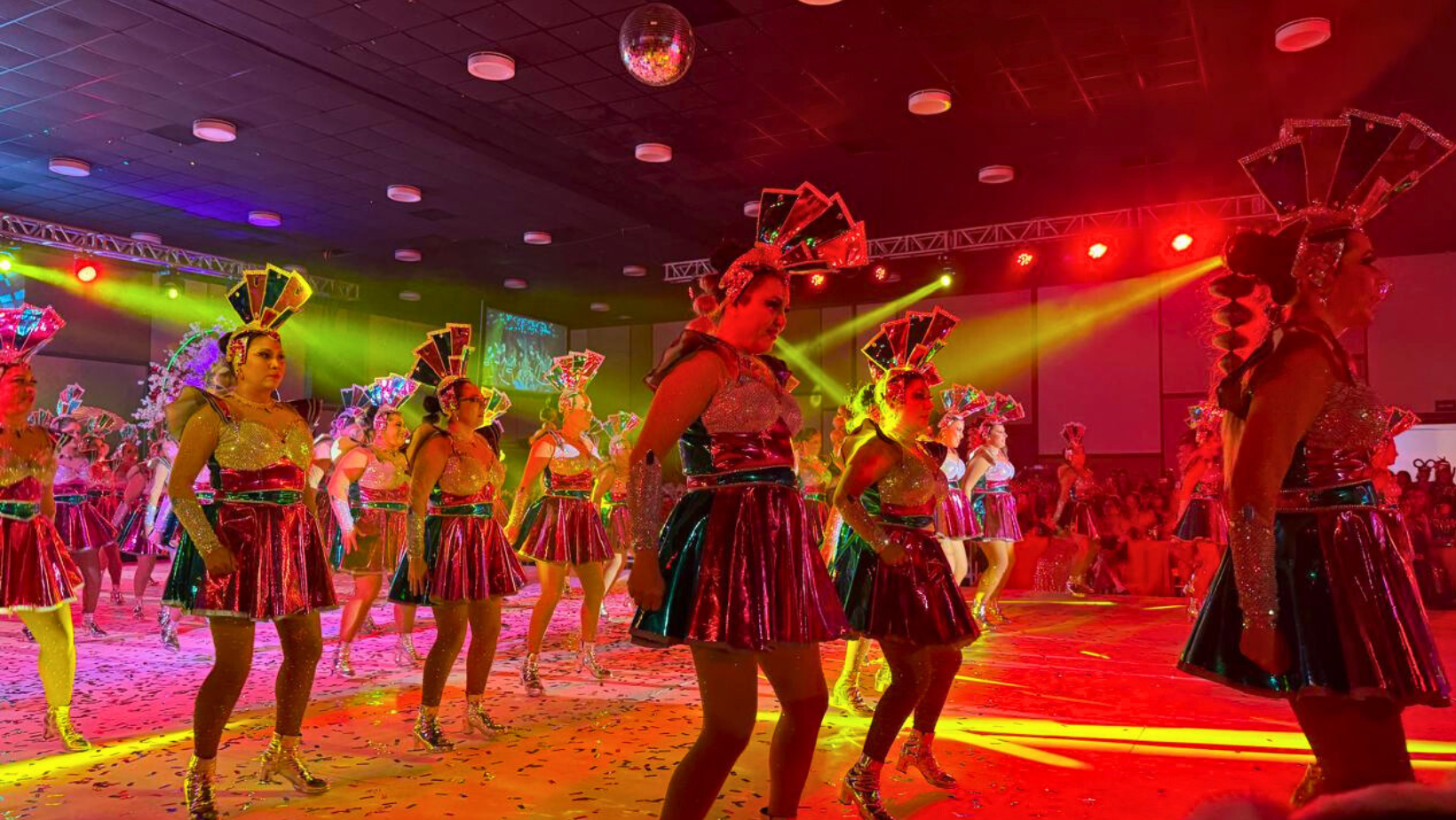
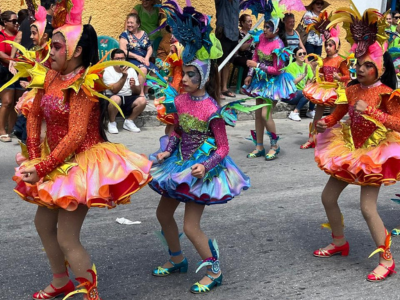
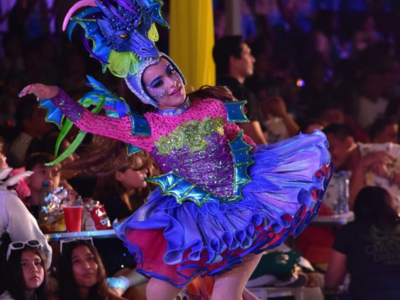
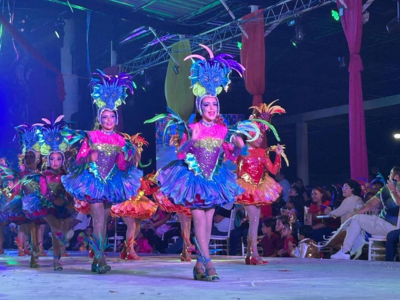
The heart of Carnival lies in its parades. Colorful floats, choreographed dance groups, families, and schools take over the main avenues. There are no distant grandstands, everything happens close, personal, and accessible.
Concerts and Public Events
Evenings bring free concerts and performances, blending tradition with modern entertainment while keeping the celebration open to everyone.
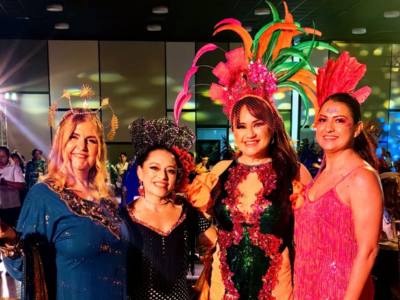
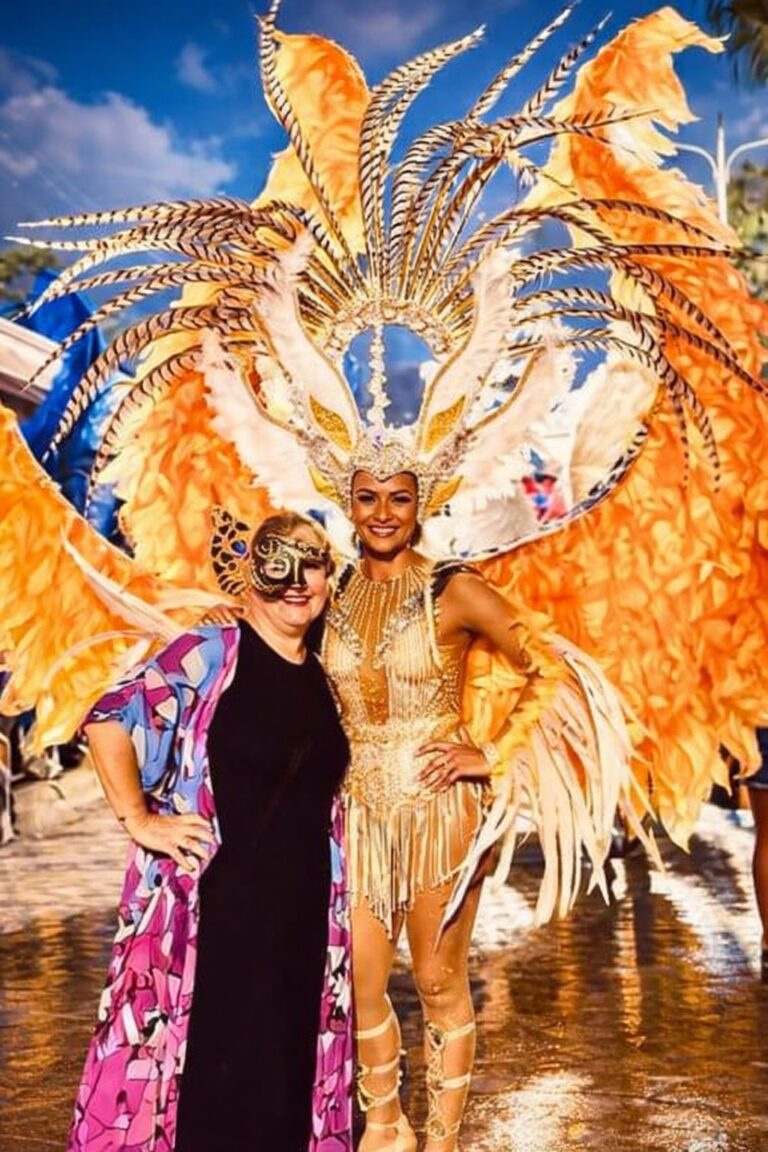
The Parade of Floats is the emotional and visual core of Carnival. Behind every float are months of work, designed and built by families, community groups, and institutions, often after long workdays.
Themes range from fantasy and humor to cultural heritage and social commentary. Children, parents, and grandparents often participate together, turning the parade into a true intergenerational experience.
How We Celebrate
We truly enjoy this experience alongside friends, with plenty of culinary options open along the way to enhance the stroll. If you’re visiting on vacation, there are also great spots where you can enjoy the celebration from the comfort of your own unit.
Activities for Every Taste
From colorful fun runs to joining a festive golf cart parade, there’s something for everyone to enjoy and be part of the celebration.
For visitors, it is truly one of the most memorable moments of the year, authentic, welcoming, and deeply human.
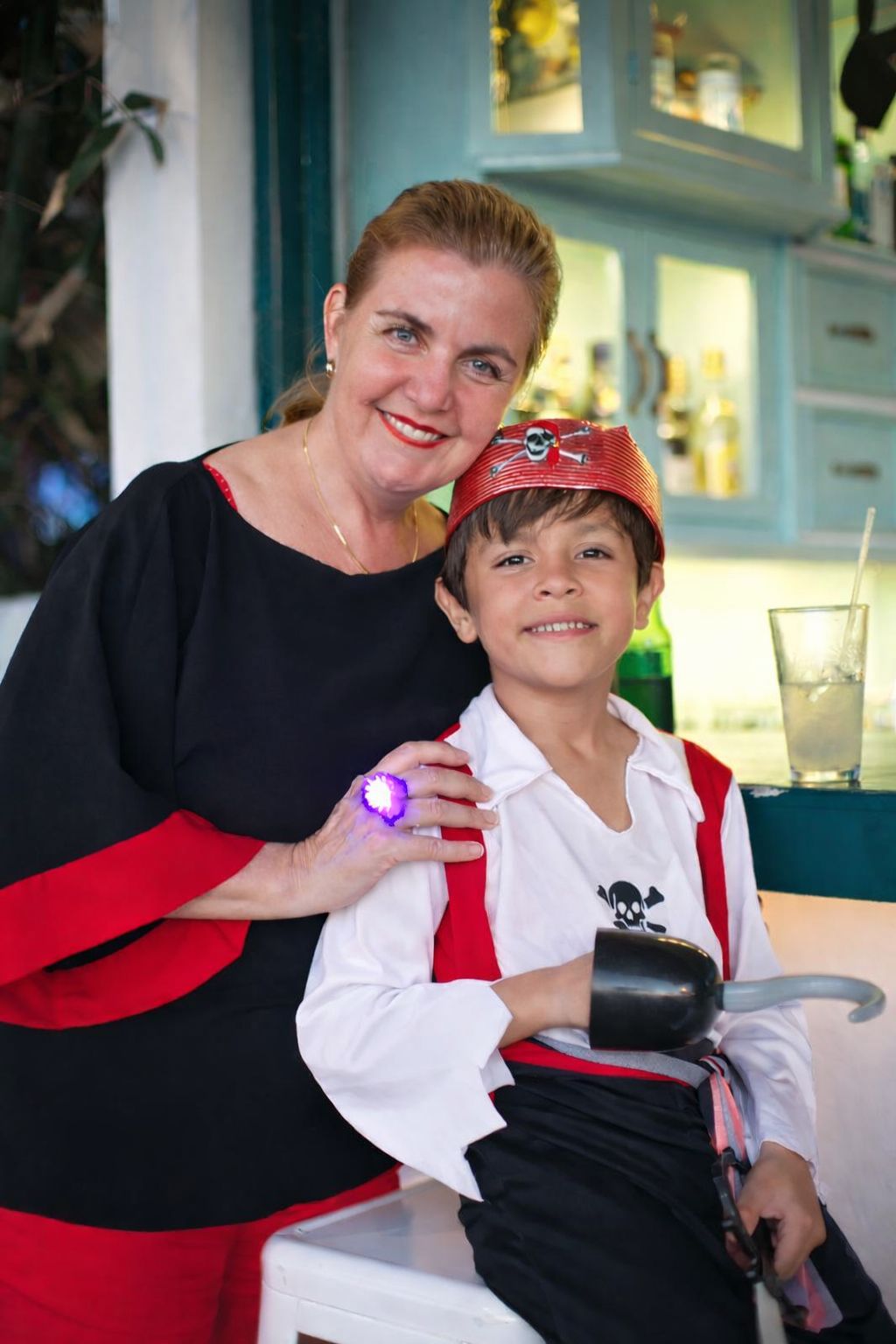
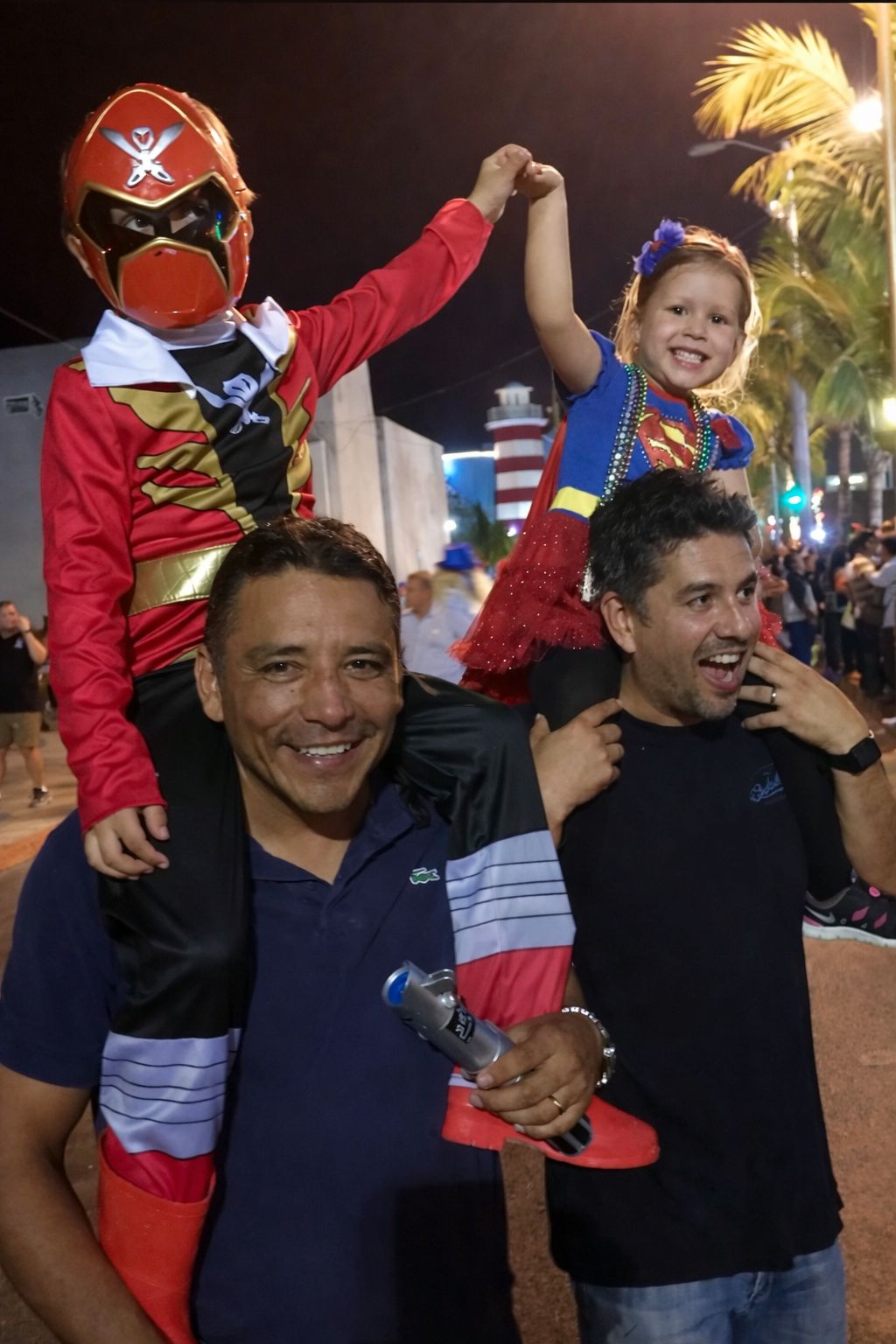
Shows and Events
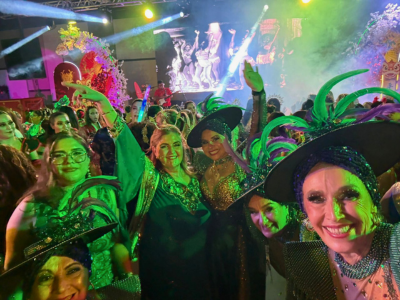
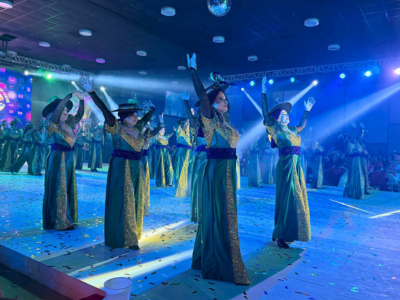
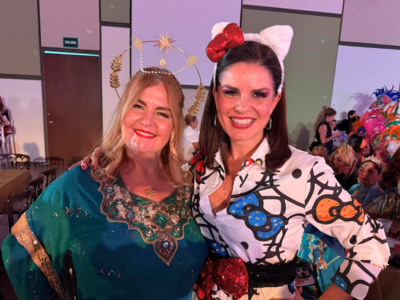
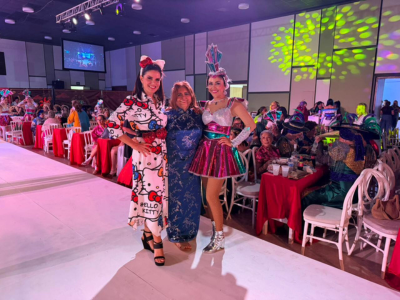
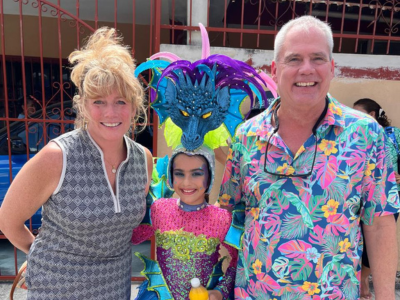
Available for both children and adults who wish to join.
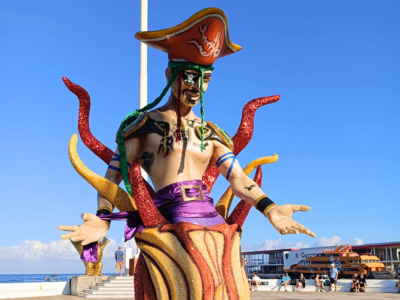
At the center of Carnival is Juan Carnaval, a symbolic figure found in many cultures under different names, Don Carnal, King Momo, or Juan Carnaval.
In Cozumel, Juan Carnaval represents:
He is not a real person, but a character who carries the weight of all the fun, and all the excess, of Carnival.
The end of Carnaval is marked by one of its most emotional rituals:
The Trial and Burning of Juan Carnaval.
First, he is publicly “accused” of all the excesses of the celebration. The speeches are humorous, ironic, and often include gentle social criticism and local references.
Then comes the reading of his will, where Juan Carnaval leaves imaginary gifts and jokes for members of the community, a moment filled with laughter and shared memory.
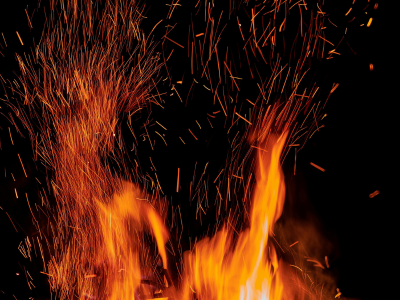
Finally, the effigy is burned. The fire symbolizes:
It marks the official end of Carnaval and a return to everyday life.
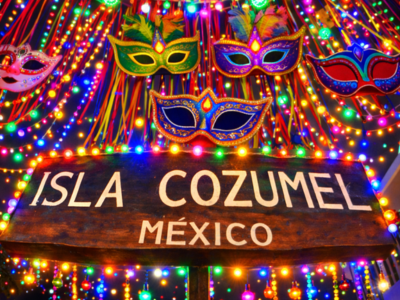
Each year, Carnival brings together an estimated 40,000 to 60,000 attendees across all events, without ever losing its community feel.
But numbers tell only part of the story.
The Carnival of Cozumel is remembered not because it is watched, but because it is lived.
It is where children grow up dancing, families build traditions, and newcomers discover what it truly means to belong on this island.
For many who visit… It's the moment they begin to imagine calling Cozumel home.
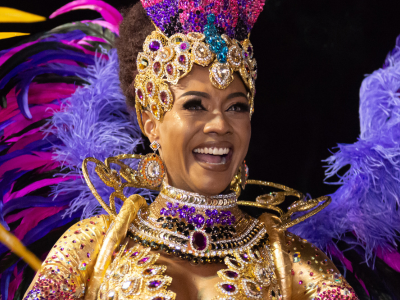
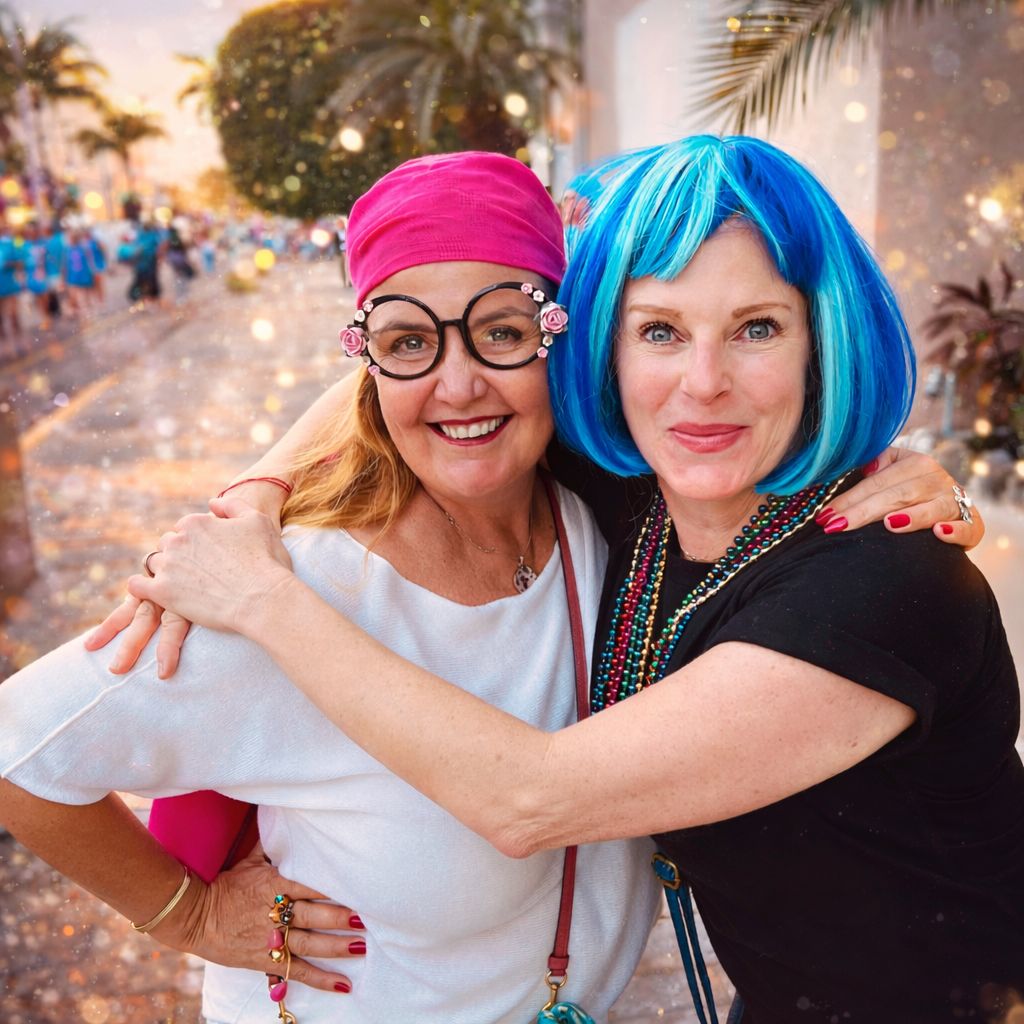
For us, this is a very special time of year. Beyond the rhythms that make us dance, the true magic of Carnival lies in those moments when we come together, sharing meaningful experiences and the simple joy of seeing happiness reflected in one another.