
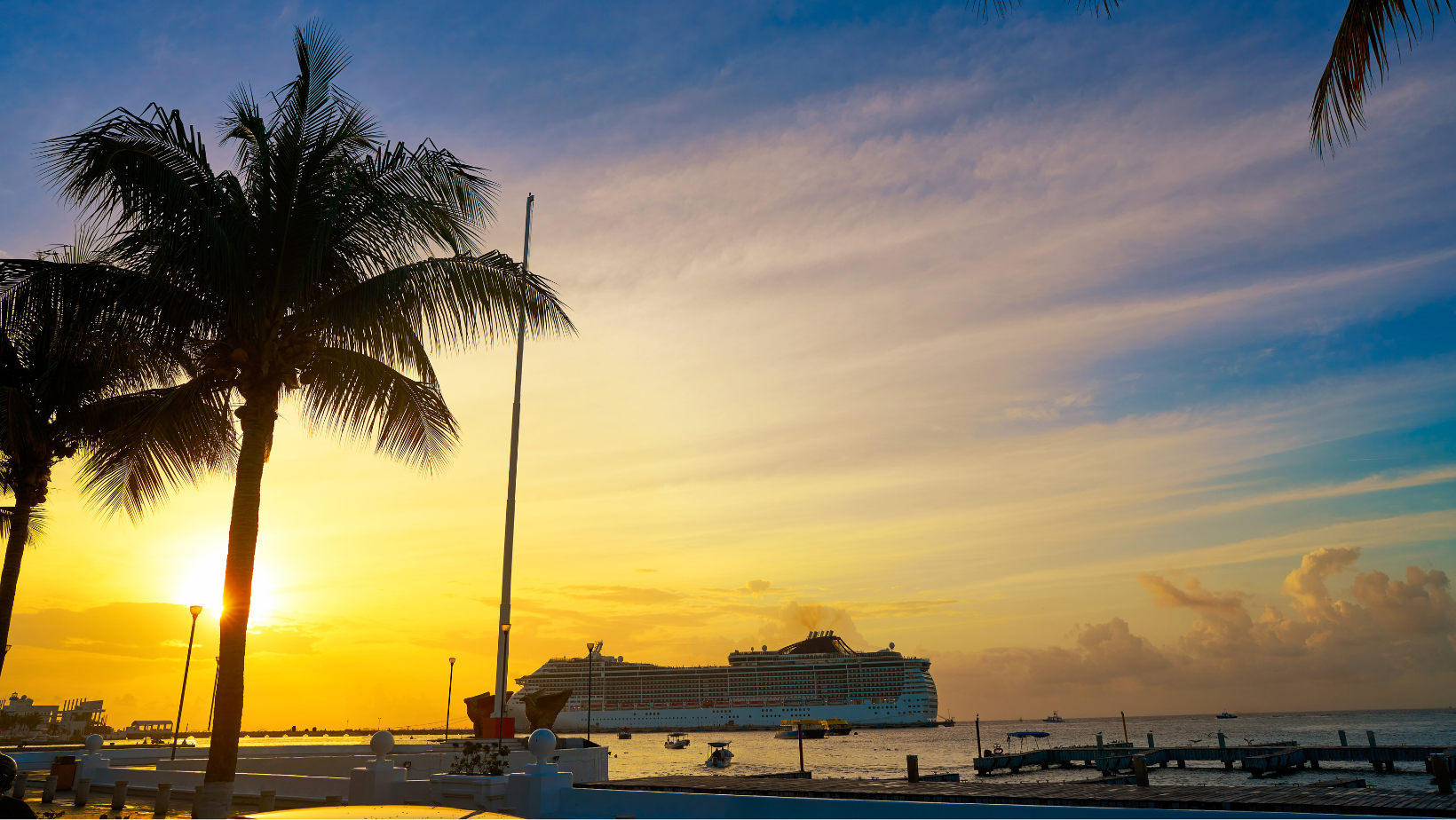
In Mexico, ringing in the New Year isn’t just about fireworks or champagne. It’s about cleansing the soul, opening new doors, and setting heartfelt intentions. Homes are swept clean to renovate energies, people run with suitcases to invite new adventures, and twelve sweet grapes are eaten one for each wish.
Each gesture carries a meaning that beautifully blends faith and joy.
Spending New Year’s Eve in the Mexican Caribbean whether in Cozumel, Playa del Carmen, or Tulum you’ll discover it’s not only a celebration… It's a spiritual reset. A mix of tropical warmth, ocean breeze, and heartfelt traditions that make this time of year unlike anywhere else in the world.
Discover how we celebrate the Christmas and New Year season, the traditions that bring us together, and the unique cultural touches that make these festivities so special.
Join us as we explore the meaning behind our customs, the stories that have shaped them, and a few charming curiosities that reflect the heart of our heritage.
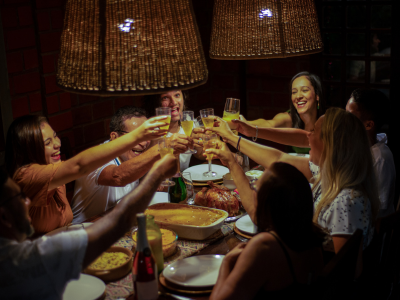
As we dive into this topic, let’s start from the very beginning, because in Mexico, everything transforms in the Guadalupe–Reyes,that begins on December 12th (Day of the Virgin of Guadalupe) and ends on January 6th (Three Kings' Day).
During this time the entire country shifts into holiday mode. Schools go on winter break, towns light up, and countless celebrations take place across the nation.
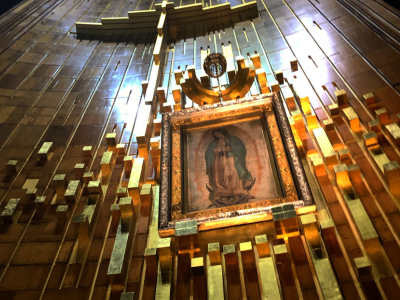
The Virgin of Guadalupe in
the Basilica de Guadalupe, located in Mexico City.
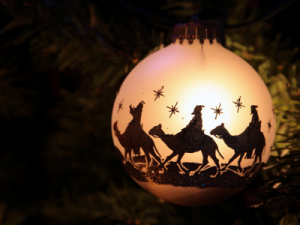
You’ll notice everything from seasonal winter fruits and the iconic Flor de Nochebuena (poinsettia), to the joyful way communities prepare for posadas and welcome the New Year.
It’s a time when traditions take center stage, and both locals and visitors get to experience the heart of Mexican holiday culture.
The tradition of Posadas spans nine nights, from December 16th to the 24th, symbolizing the journey of Mary and Joseph as they searched for lodging, a core representation in the Catholic faith. Each night is hosted by a different home or community space.
Piñatas are an essential part of posadas, traditionally made with seven points, symbolizing the seven deadly sins, and breaking the piñata represents triumph over temptation.
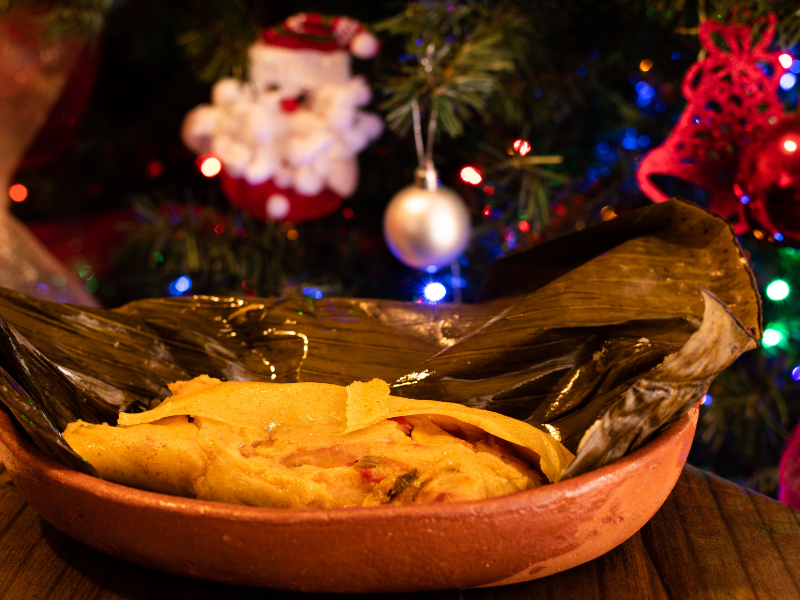
Posada food is iconic, with ponche caliente (warm fruit punch), tamales, buñuelos, and antojitos filling every gathering; the smell of cinnamon and tejocote is everywhere.
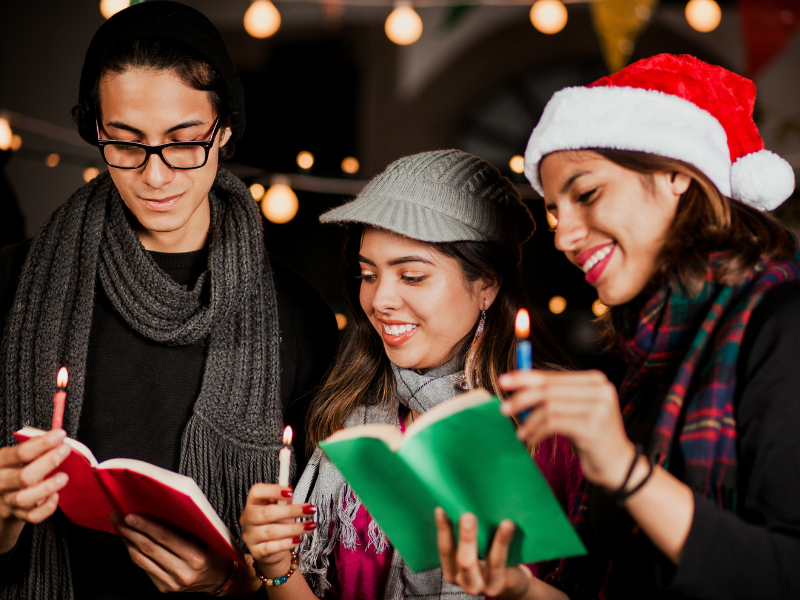
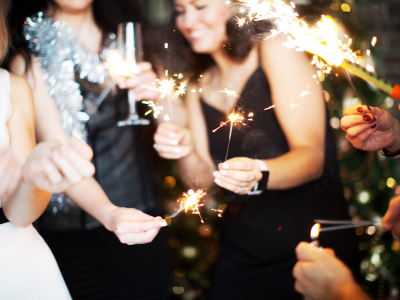
Singing is a must, the traditional verses asking for "posada" (shelter) in a performance that is half ritual, half joyful. Communities gather outdoors, walking with candles or sparklers, creating a warm, magical atmosphere in plazas and neighborhoods.
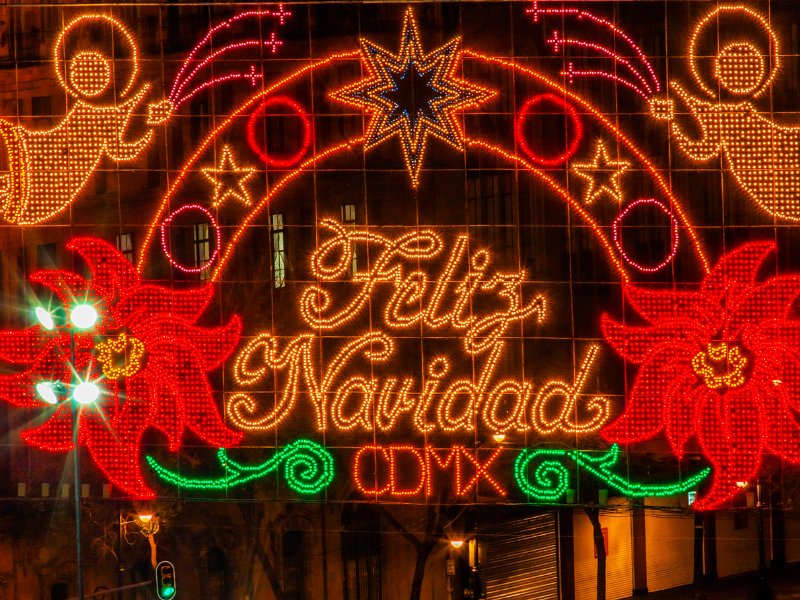
Even workplaces and friend groups celebrate their own posadas, turning December into a month packed with events, dinners, and convivios. The Nochebuena flower, native to Mexico, decorates streets, churches, and homes across the country during this time.
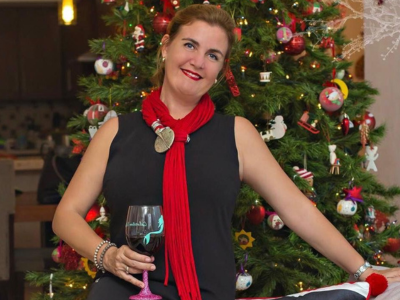
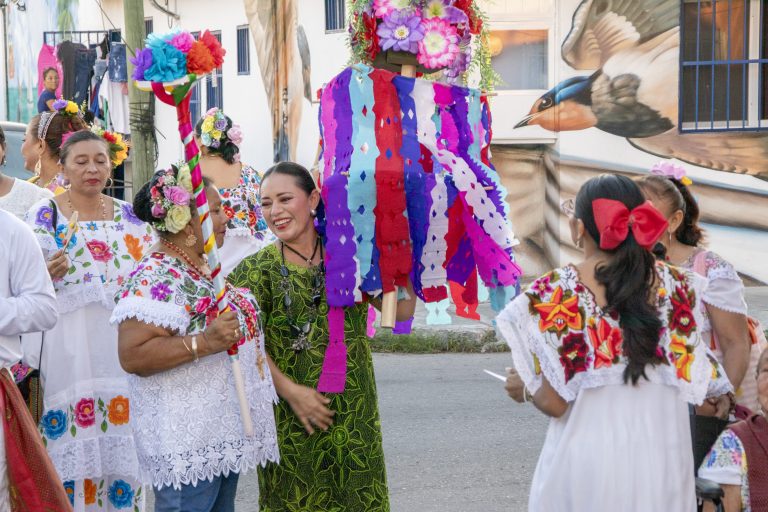
As part of the festivities honoring Our Lady of Guadalupe, Cozumel celebrates one of its most meaningful cultural traditions from November 30 to December 12. To better understand the heart of these celebrations, we spoke directly with Perla Tun, who kindly shared every detail behind this deeply rooted tradition.
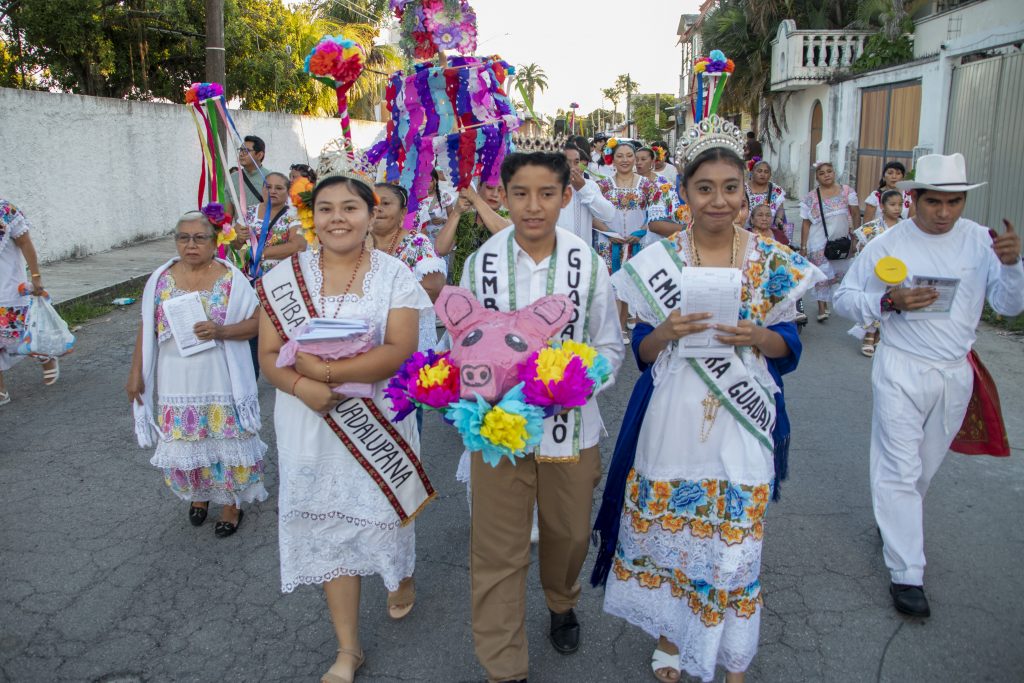
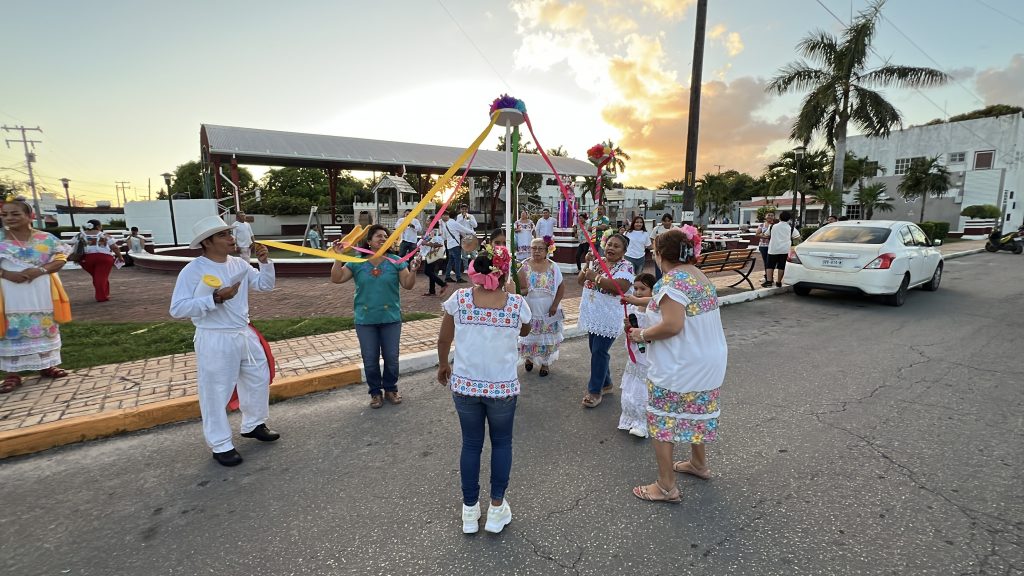
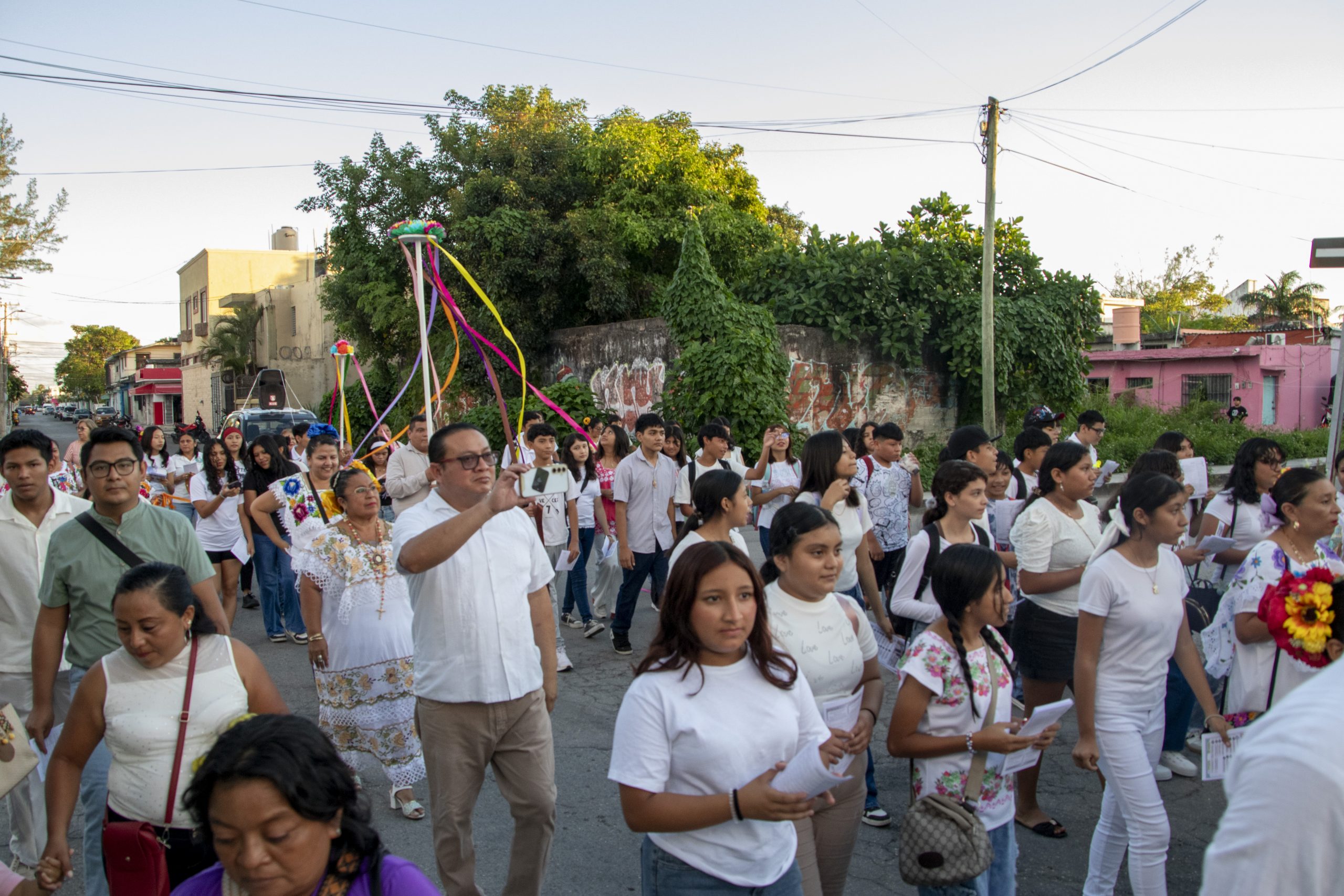
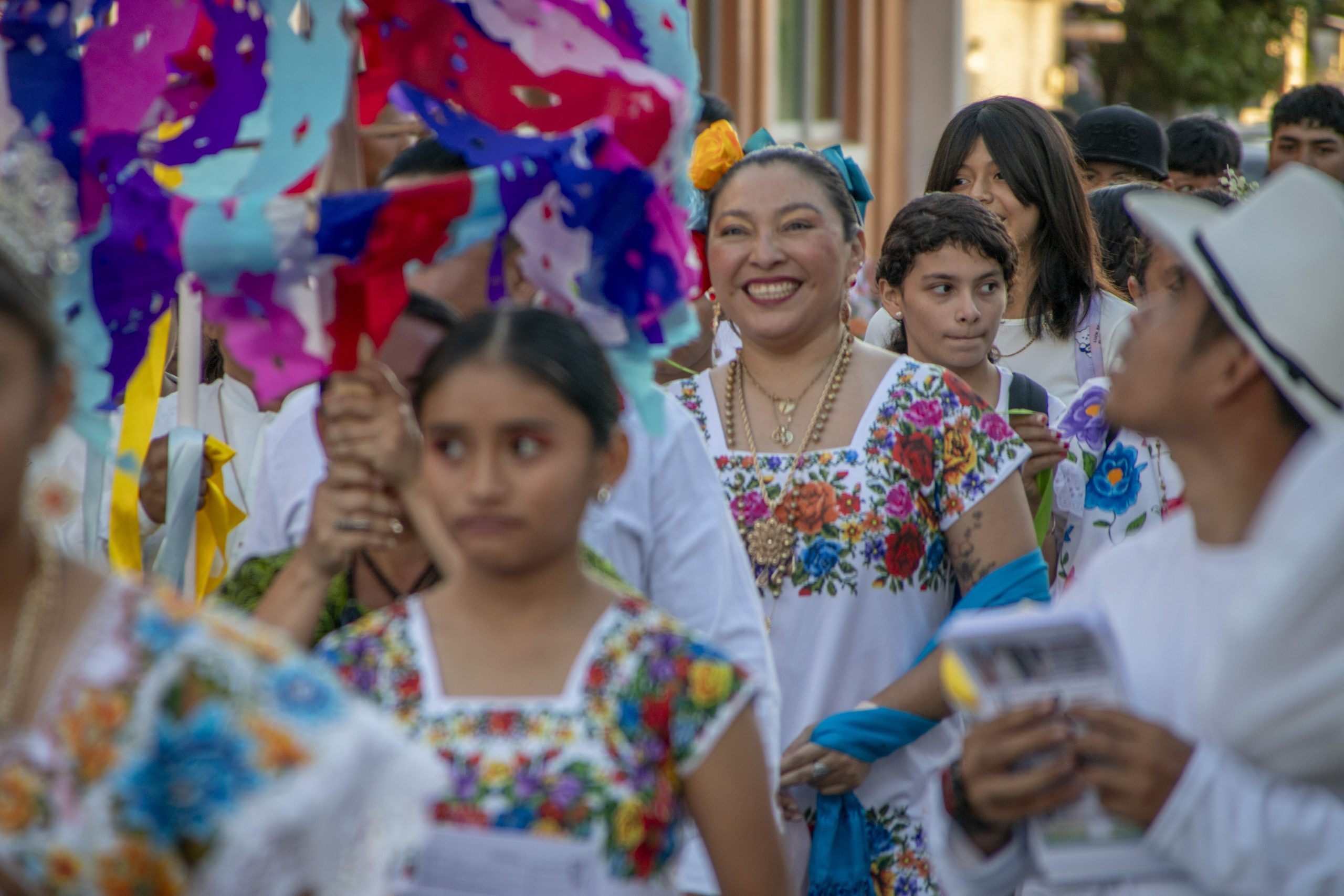
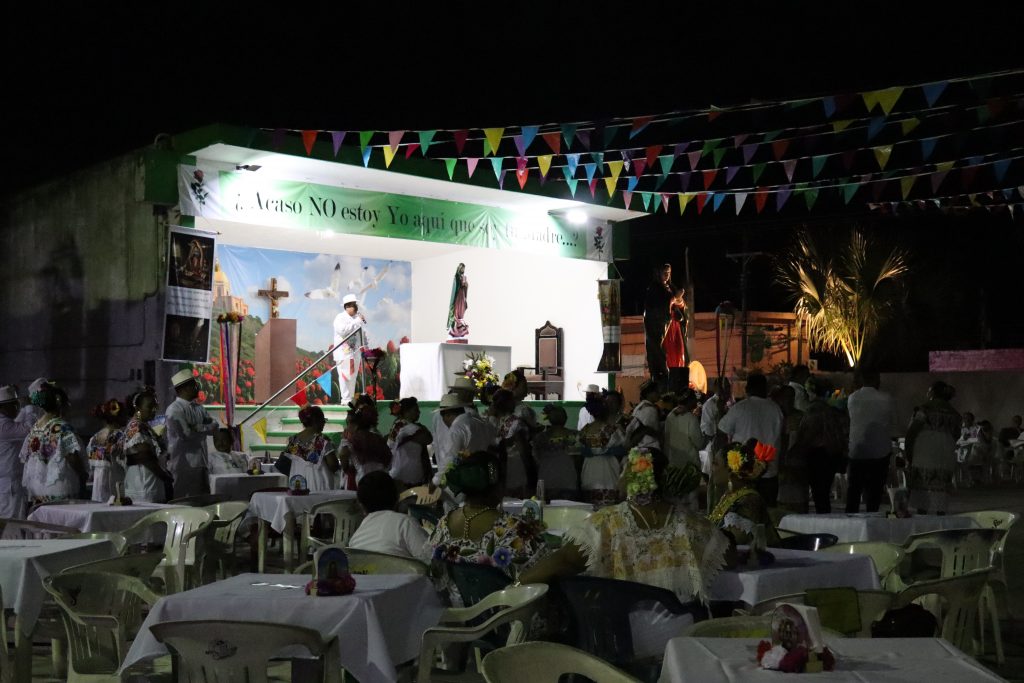
One of the most anticipated events is the Vaquería Night, held on December 5, which marks the vibrant opening of the festival. At the center of this celebration is the jarana, a traditional Yucatecan dance performed to live orchestral music. Its rhythms, played in 3/4 and 6/8 times, echo the elegance of the danzón and demand great stamina from the dancers.
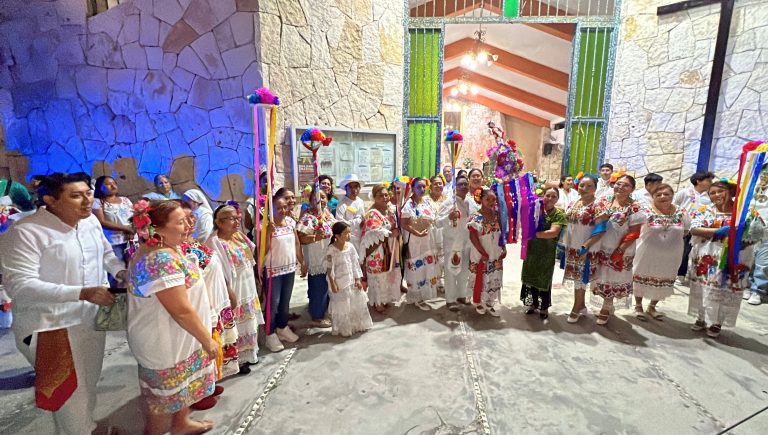
The attire reflects Spanish influence, the result of the cultural blend that shaped the region. Women wear a Santa María rebozo and place flowers in their hair, on the left side if they are married and on the right if they are single. They also wear a large bow over the zorongo, double filigree combs, multiple necklaces (including the traditional double-strand necklace), rosaries, and bracelets known as semanarios.
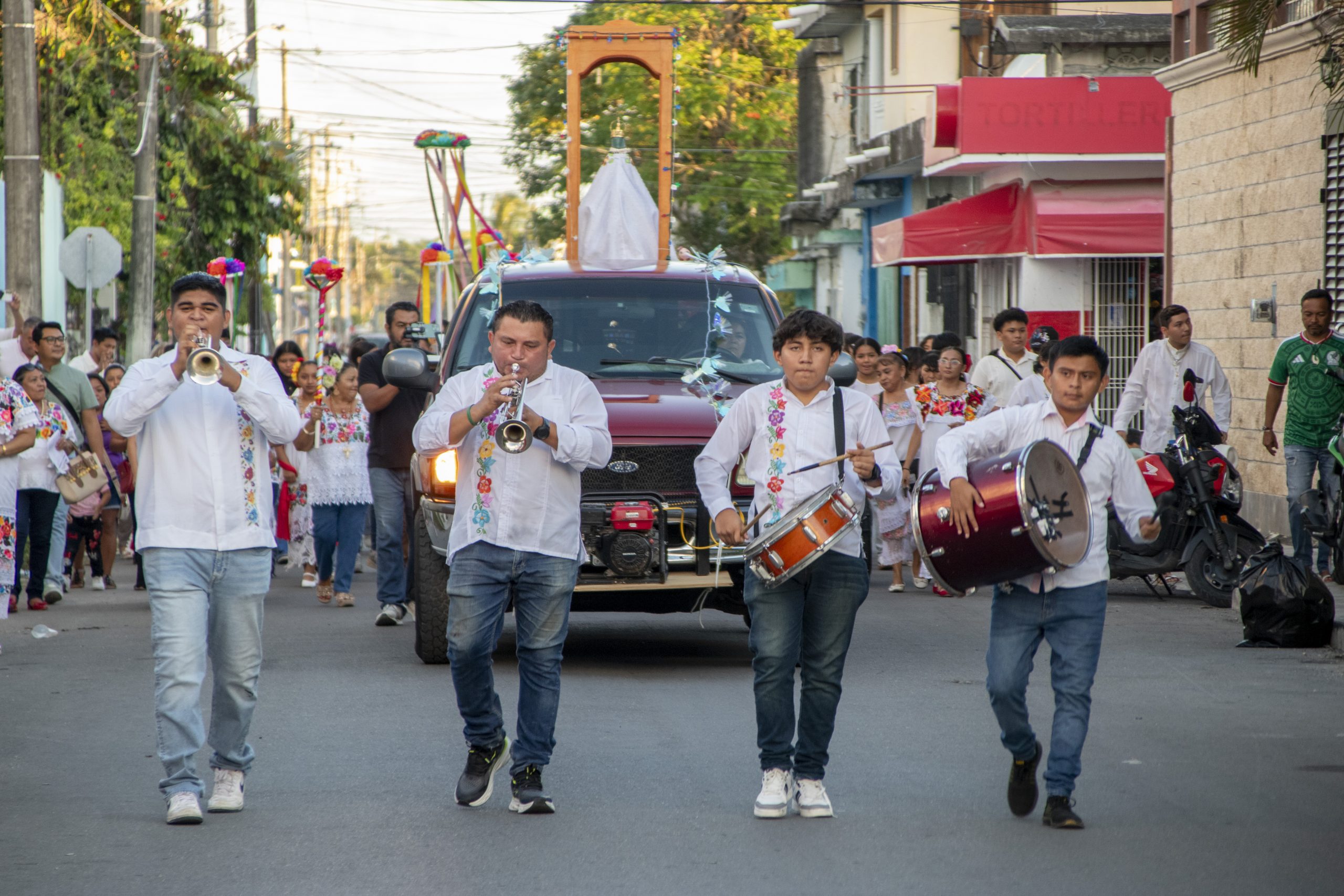
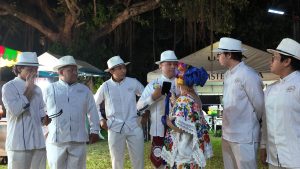
This year 2025, the music will be performed by ROYAT – Real Orquesta Yucateca, composed mostly of young conservatory-trained musicians who have revived traditional jarana pieces while creating modern versions that the community loves. Recently invited to perform at the prestigious Cervantino Festival in Guanajuato, the orchestra is led by Arturo Turriza, who also play at the Yucatán Typical Symphony Orchestra, the vaquería night often becomes an unforgettable experience that carries on well past midnight.
These festivities are carefully organized by the community of the Church of Our Lady of Guadalupe, located between the historic neighborhoods of Emiliano Zapata and 10 de Abril. Though the church is just over 50 years old, it remains one of Cozumel’s most cherished landmarks and a center of local tradition.
The event is open to everyone, including visitors. Guests may reserve tables for a small fee and enjoy regional dishes such as panuchos, salbutes, tortas, churros, and other favorites, an authentic taste of a local kermés. Folkloric dance groups also perform traditional jarana pieces, preserving this cultural heritage for younger generations.
How the Tradition Culminates: December 11 & 12
Perla also explained how the celebration reaches its emotional peak. In the days leading up to December 12, especially on the 11th and 12th, the island fills with groups known as “promesas” devotees who make spiritual commitments and express their gratitude or petitions to the Virgin of Guadalupe. It’s common to see people running around the island as part of their promise, a testament to their faith and devotion.
The tradition culminates at dawn:
On the night of December 11, the community gathers to sing Las Mañanitas. (mexican birthday song)
As the clock turns to the first moments of December 12, the Virgin is welcomed with music, prayer, and celebration.

In Mexico, the start of a new year is more than a celebration, it’s a moment to set practical intentions for the months ahead.
Beyond the traditions and the toast, many people focus on actions that can create real, positive impact in their lives and their community.
Cozumel offers many opportunities to begin the year with purpose. Projects like The Medicine Run and several local organizations provide ways to contribute, support ongoing efforts, and make a tangible difference.

What makes New Year’s in Mexico so captivating is how each custom feels both ancient and alive.
Here are some of the local traditions that give this celebration its unique soul:
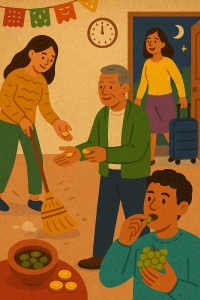
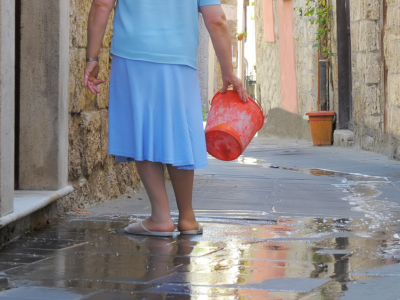
It’s not just about cleaning the house, at mid-night a symbolic act of sweeping away the hardships of the year that’s ending. In the island neighborhoods, you might see people sweeping with water, the sidewalks or porches, as if preparing their homes to welcome new energy.
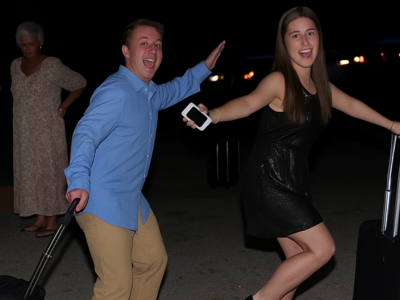
To attract travel and adventure in the year ahead, many Mexicans grab an empty suitcase and take a run around the block right after midnight. In Cozumel, it’s not unusual to see people laughing as they jog along the waterfront, suitcase in hand, under a sky bursting with fireworks.
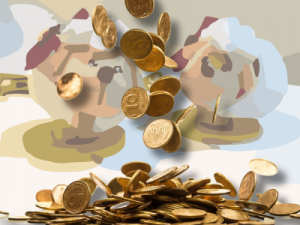
The concept of abundance is symbolized by money, just as the term "lana" (a slang term for money) is represented by sheep. In Mexico, people exchange coins, gold-wrapped chocolates, or small bills as symbolic gifts, believing that sharing prosperity ensures it flows back multiplied.
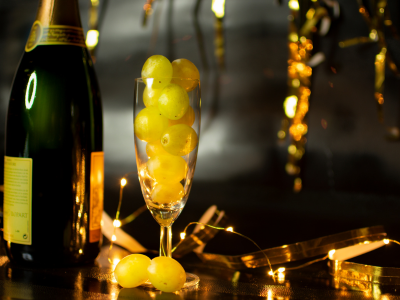
Borrowed from Spain but embraced wholeheartedly in Mexico, the tradition of eating twelve grapes one for each chime at midnight symbolizes twelve wishes for the coming year. Here, it’s often done with friends and family gathered outdoors, with the sound of the ocean nearby and laughter filling the air.
Once a common sight in small towns, people would create effigies often called El Viejo to represent an old man / the old year and burn them at midnight.
This is now replaced by more symbolic rituals for safety, the essence remains: letting go of what no longer serves you.
Also an old tradition in Cozumel, though currently prohibited.
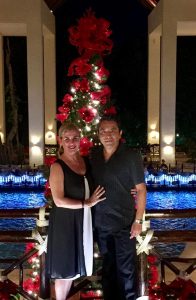
The Mexican Caribbean stands as a premier destination, offering an endless tapestry of vibrant and sophisticated ways to welcome the New Year. From the pristine, white-sand beaches of Tulum and the bustling energy of Playa del Carmen to the serene, underwater wonders of Cozumel, this region transforms into a celebratory haven as the year draws to a close.
Visitors can choose from exclusive, black-tie galas hosted in world-class resorts, featuring gourmet dining and international entertainment, or opt for a more traditional, yet equally enchanting, celebration. Imagine ringing in midnight with a champagne toast under the stars on a private yacht, watching the fireworks illuminate the turquoise waters of the Riviera Maya.
The cultural richness of the area adds a unique dimension to the celebrations. Local traditions blend seamlessly with international flair, creating parties that can range from beachfront bonfires and live Mayan music to high-energy electronic dance music festivals.
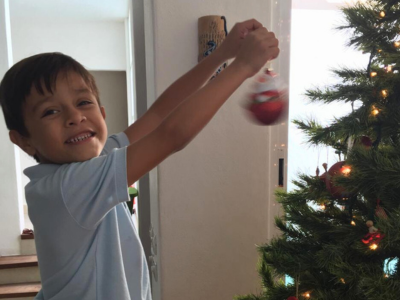
This is one of our favorite ways to celebrate, with family, and if you’re hosting guests this season, here are some ways to celebrate with local flair:
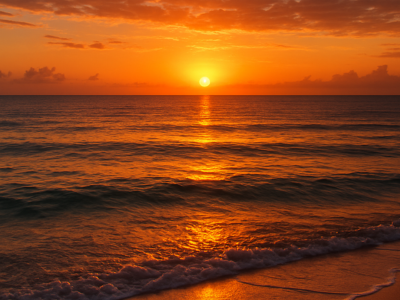
As the first light of the year rises over the Caribbean, everything feels possible again. The sea glows gold, the air is fresh with salt and promise, and people gather in quiet awe.
In Mexico, the New Year isn’t just celebrated, it's felt.
It’s lived through every laugh, every wish, every sunrise shared with those you love.
In Cozumel, many find this activity to be a beloved tradition, be sure to experience some of these moments:
Running with a suitcase, enjoying champagne by the shore, or simply inhaling the balmy sea air, you're participating in something enduring.
Here, new starts aren't measured by time, but by the perfect moment you choose to begin anew.
Have questions about holiday events, traditions, or places to explore during this festive time?
Just let us know. We’d love to guide you through the magic of the season.
info@karencozumelrealtor.com