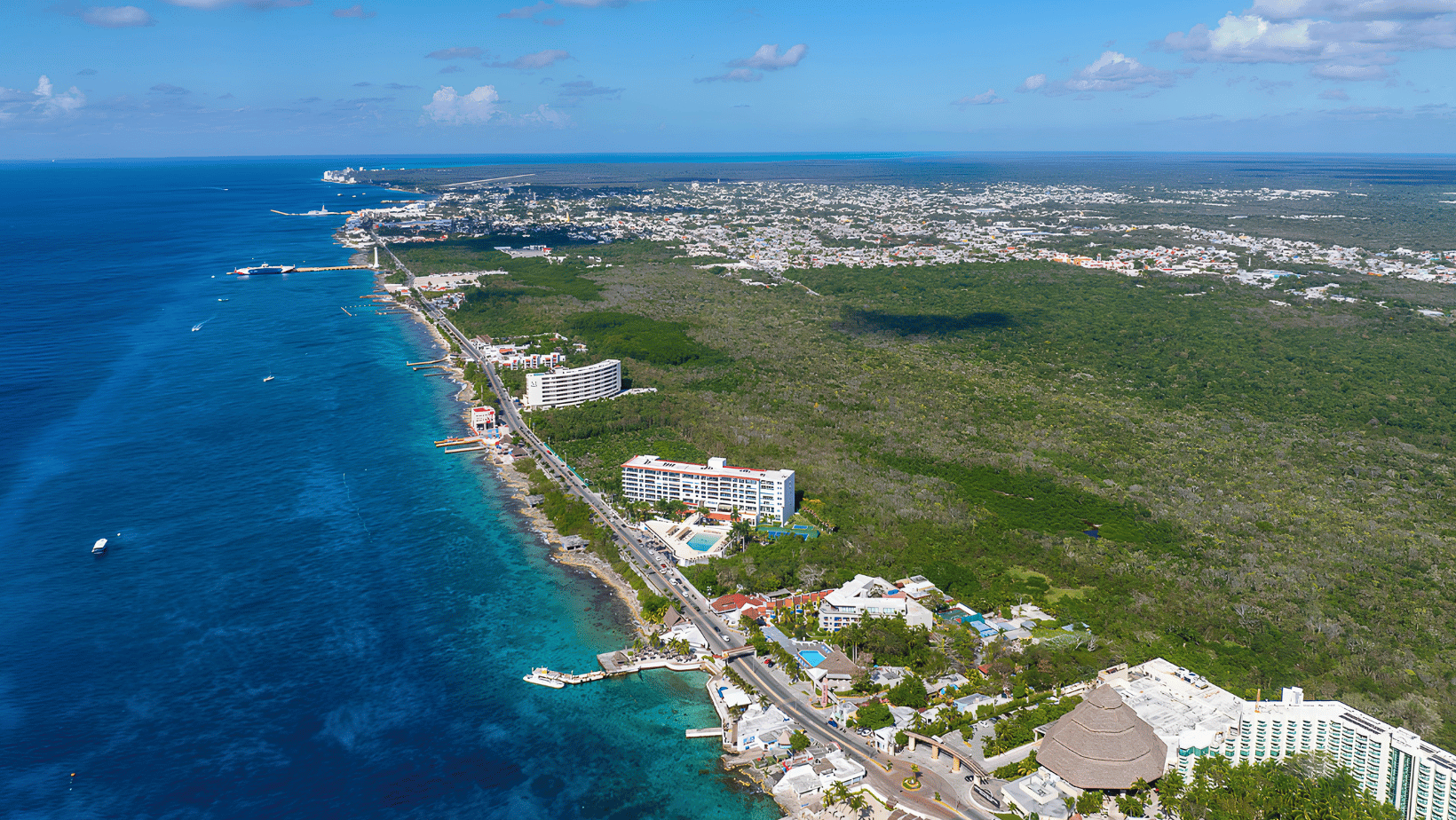
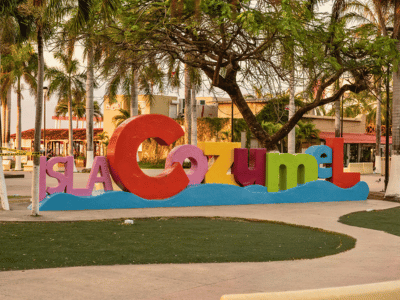
When most people think of Cozumel, images of crystal-clear waters, colorful coral reefs, white-sand beaches, and a relaxed Caribbean lifestyle immediately come to mind. Yet long before it became one of the most recognized destinations in the Mexican Caribbean, Cozumel experienced centuries of events that shaped its identity and character.
This is not a story about real estate, tourism, or investment opportunities. It is an invitation to discover the fascinating history of Cozumel and understand how a small island off the coast of Mexico became a place cherished by residents, admired by travelers, and known around the world.
If you have visited the island many times or are only beginning to explore the possibility of calling Cozumel home, understanding its past offers a deeper appreciation for everything the island represents today.
Let’s take a journey through the defining moments that forged the Cozumel we know today.
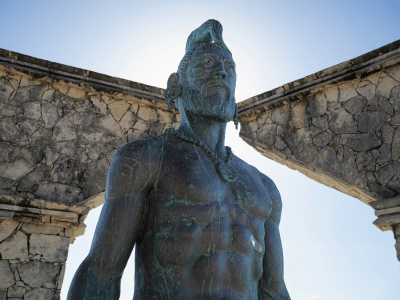
Long before European explorers arrived in the Americas, Cozumel was already an important center within the Maya world.
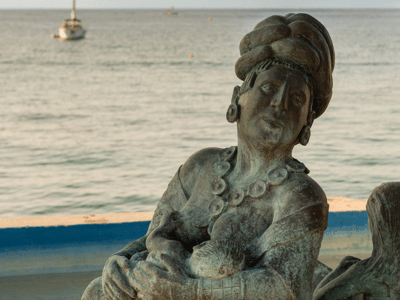
The island's name comes from the Maya word Kuzamil, often translated as "Land of the Swallows." More importantly, Cozumel was considered a sacred destination dedicated to Ixchel, the Maya goddess of fertility, medicine, childbirth, and the moon.
For centuries, Maya pilgrims traveled from across the Yucatán Peninsula to visit the island and pay tribute to Ixchel. For many women, making the pilgrimage to Cozumel was considered one of the most important spiritual journeys of their lives.
The island’s strategic location also made it a thriving maritime trade center. Large Maya canoes regularly crossed the waters between Cozumel and the mainland, transporting honey, salt, cacao, textiles, and other valuable goods throughout the region.
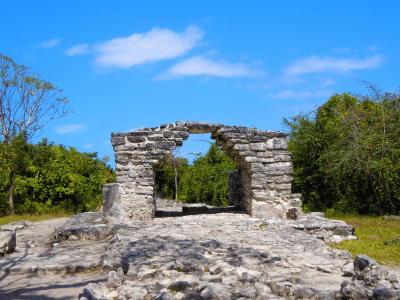
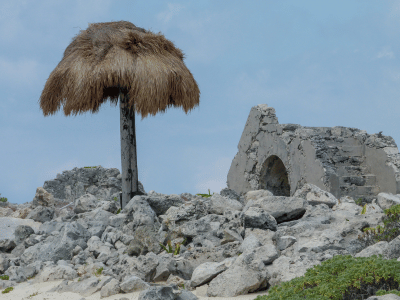
Today, archaeological sites such as San Gervasio offer a glimpse into this remarkable chapter of the island’s history and remind visitors that Cozumel was once one of the most significant ceremonial centers in the Maya world.
Today, that remarkable journey is commemorated through the annual Maya Canoe Crossing (Travesía Sagrada Maya), a cultural tradition that recreates the ancient voyage. Skilled paddlers retrace the historic route across the Caribbean, celebrating the courage, navigation skills, and rich heritage of the Maya civilization while keeping one of Mexico's oldest traditions alive.
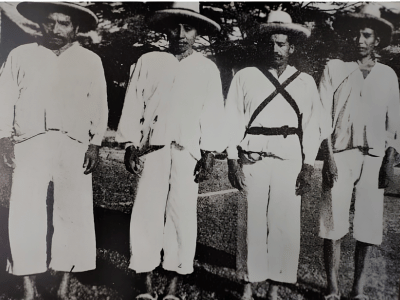
One of the most significant events in the history of the Yucatán Peninsula was the Caste War, a conflict that began in 1847 and lasted for decades.
The war emerged from deep social and political tensions between the Maya population and regional authorities.
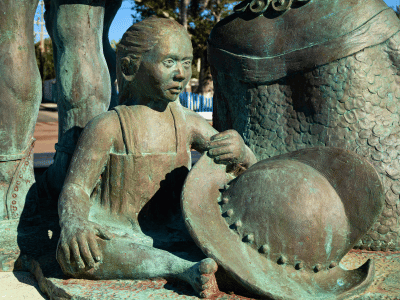
As conflict spread across the mainland, many families fled by sea in search of safety, eventually reaching the shores of Cozumel.
Among them was Casimiro Cárdenas, who, according to local tradition, survived the dangerous crossing while carrying a small wooden cross. In gratitude for their survival, the settlers established the community of El Cedral in 1848, making it the oldest continuously inhabited village on the island.
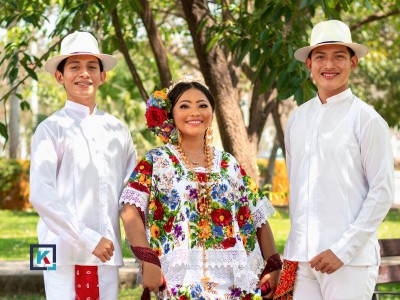
What began as a refuge for those escaping the violence gradually grew into a close-knit community that preserved its customs and faith. Today, El Cedral is best known for its annual festival, where local traditions, music, dance, and religious celebrations honor both the town's founding and the resilience of the families who helped shape modern Cozumel.
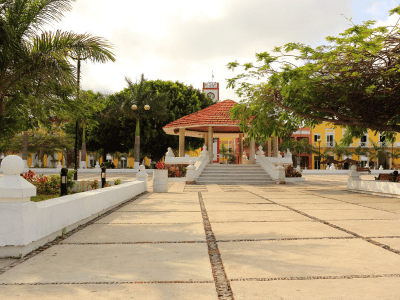
El Cedral a Village That Preserves Cozumel's Heritage
They brought with them their customs, faith, and traditions, many of which continue to shape the community today. Their legacy lives on through El Cedral's annual celebration, one of Cozumel's most cherished cultural events, where music, traditional dances, local cuisine, and religious ceremonies honor both the island's Mayan roots and the generations that helped preserve its identity.
These migrations helped shape the community that would eventually become modern Cozumel.
Learn more about this:
 El Cedral Cozumel
As the nineteenth century gave way to the twentieth, the economy of the Yucatán region entered a period of transformation fueled by two products that were once enormously valuable: chicle and henequen.
Chicle, harvested from the sap of the sapodilla tree, became highly sought after as a key ingredient in the production of chewing gum, particularly in the United States.
At the same time, henequen, often referred to as Yucatán’s "green gold" became one of Mexico’s most important export industries. Its fibers were used worldwide to manufacture ropes, sacks, and agricultural materials.
While Cozumel was not a major henequen producer like other parts of the peninsula, the island benefited from the regional trade networks and maritime commerce that supported these booming industries.
This period helped strengthen economic connections throughout the region and laid the groundwork for future development.
One of the lesser-known chapters of Cozumel’s history involves agriculture.
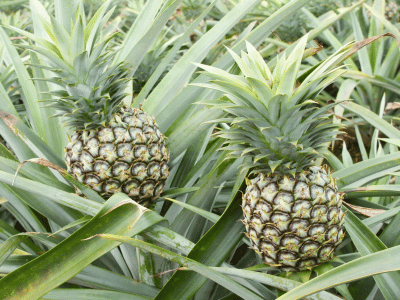
For many years during the twentieth century, the island was recognized for producing high-quality pineapples. Favorable soil conditions and a tropical climate allowed local farmers to cultivate fruit that became highly regarded throughout the region.
Agriculture provided employment and income for many local families and played a meaningful role in the island’s economy before tourism became dominant.
As Cozumel continued to grow and develop, agricultural land gradually gave way to residential neighborhoods, businesses, and tourism infrastructure.
Today, few visitors realize that pineapple fields once occupied areas that are now part of the modern island landscape.

If there is one factor that firmly placed Cozumel on the global map, it was its extraordinary underwater world.
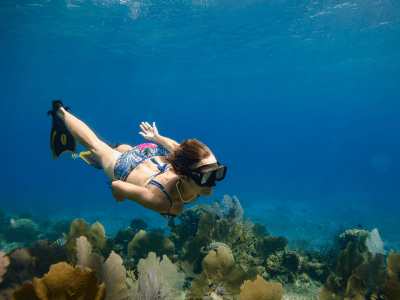
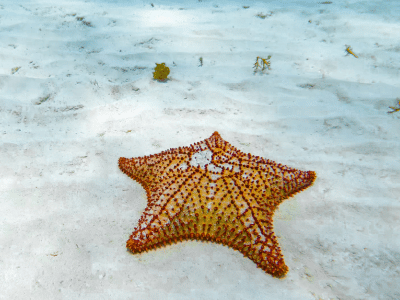
The island is surrounded by part of the Mesoamerican Reef System, the second-largest barrier reef system on Earth. Exceptional water clarity, healthy coral formations, and abundant marine life quickly earned Cozumel a reputation among divers.
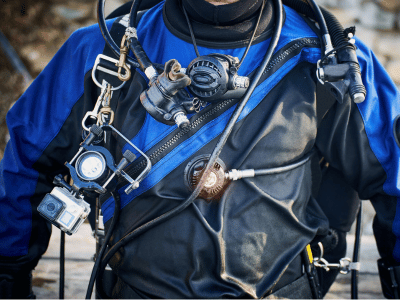
Over time, divers from around the world traveled to the island to experience its famous drift dives, dramatic reef walls, and vibrant marine ecosystems.
What began as a niche attraction evolved into one of Cozumel’s defining identities.
Today, the island is consistently recognized as one of the premier diving destinations in the world, drawing both first-time divers and seasoned underwater explorers year after year.
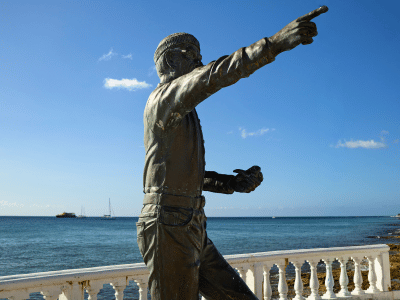
Cozumel earned worldwide recognition as a diving destination in 1961, when legendary French oceanographer Jacques Cousteau explored the island's reefs, especially the spectacular Palancar Reef. After describing the underwater landscape as one of the most beautiful he had ever seen, Cousteau showcased Cozumel's crystal-clear waters in his documentaries, inspiring generations of divers and helping transform the island into one of the world's premier scuba diving destinations.
The 70s marked a turning point in Cozumel’s modern history.
As international travelers began discovering the Mexican Caribbean, Cozumel emerged as a destination offering something unique: natural beauty, authentic local culture, and a slower pace of life compared to many rapidly developing resort areas.
Improved air travel, expanded ferry services, and growing hospitality infrastructure opened the island to a broader international audience.
Hotels, restaurants, dive shops, and family-owned businesses began appearing across the island. Opportunities expanded, and many local entrepreneurs launched ventures that continue to operate today.
Cozumel's connection to the world changed dramatically in the late 1970s with the opening of its modern international airport. Replacing the island's original World War II-era airfield, the new facility welcomed larger commercial jets and made direct flights from the United States and Canada possible. This milestone helped transform Cozumel from a quiet Caribbean island into one of Mexico's most sought-after beach and diving destinations, fueling decades of tourism growth that continue today.
The economic transformation during this period reshaped Cozumel and established tourism as one of its primary industries. The island’s reputation continued to grow year after year, attracting visitors from North America, Europe, and beyond.

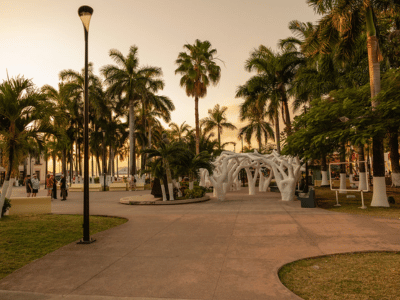
The story of Cozumel is ultimately the story of adaptation, resilience, and community.
For centuries, the island has welcomed travelers, merchants, explorers, pilgrims, fishermen, entrepreneurs, and families seeking a better life.
Each generation has contributed something new while preserving the traditions and values that make Cozumel special.
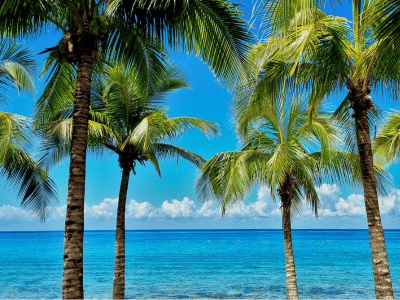
Today, visitors are often drawn to the island by its turquoise waters and tropical climate. Yet many discover that what truly captures their hearts is something much deeper: a rich history, a strong sense of community, and a lifestyle that feels increasingly rare in today’s fast-paced world.
Understanding Cozumel’s past helps explain its enduring appeal.
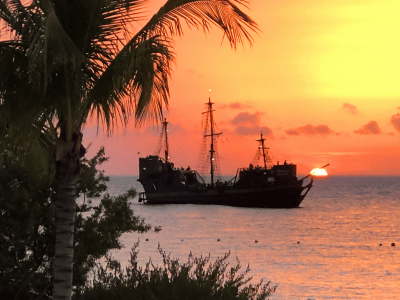
Behind every reef, every neighborhood, and every Caribbean sunset lies a story that began centuries ago and continues to unfold with each new chapter in the island’s remarkable history.
Perhaps that is why so many people come to Cozumel for a vacation...
And end up staying for a lifetime.
We love sharing the stories, history, and hidden gems that make Cozumel such a remarkable place because we're proud to be part of this incredible island. If there's a topic you'd like us to explore, a question about Cozumel, or something you're curious to learn more about, we'd love to hear from you.
Contact us at: info@karencozumelrealtor.com
— The Karen Cozumel Real Estate Team