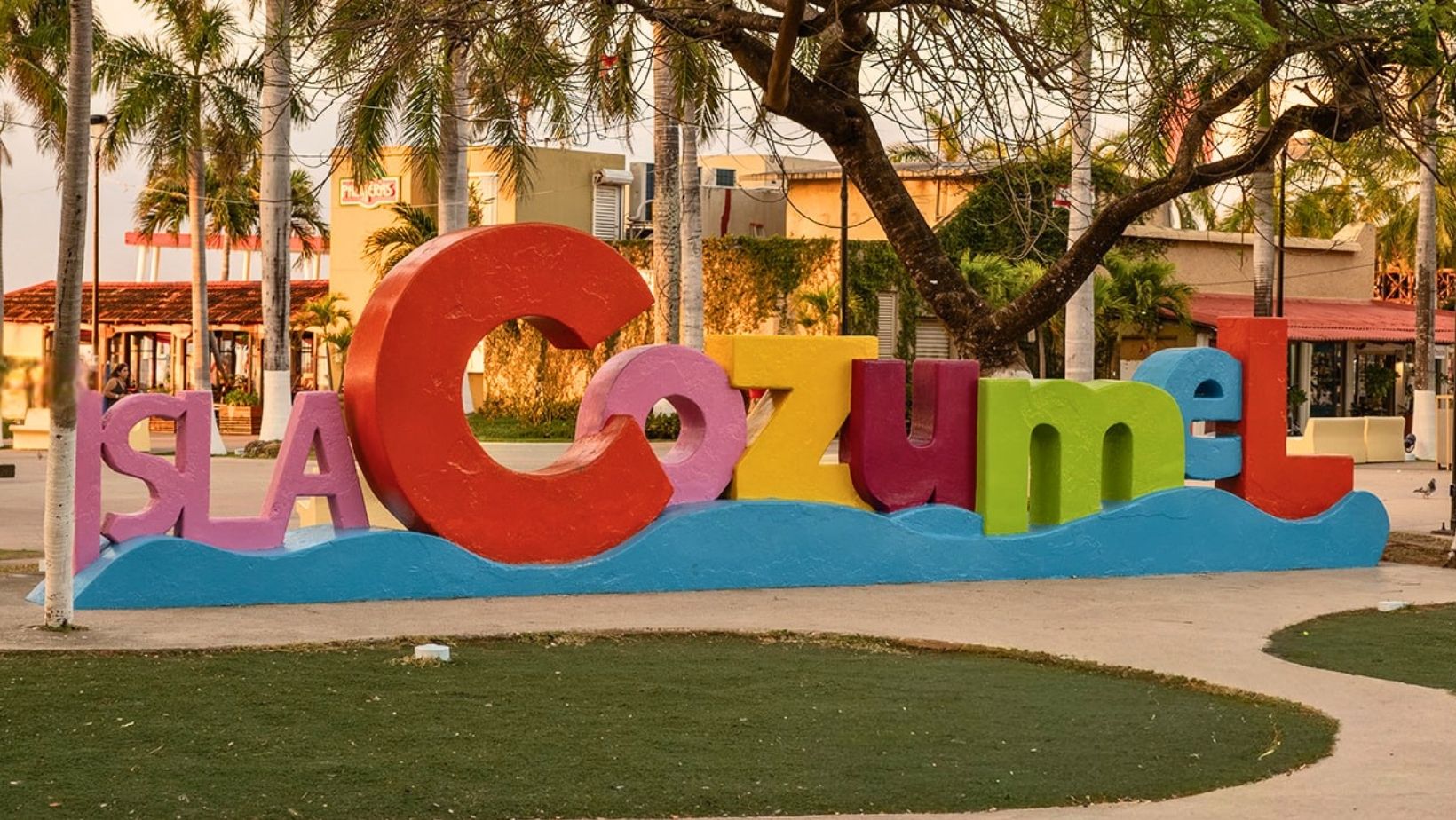
There is a subtle change happening in the way people think about living in Cozumel.
For a long time, the island attracted people for fairly predictable reasons. They came to dive, to vacation, to escape winter, to retire, or simply to spend more time in a place they had come to love. Eventually, some bought property. Others opened businesses. A few stayed long enough that the distinction between visitor and resident became almost meaningless.
But there is another kind of arrival becoming increasingly common.
People are coming to Cozumel because they can work here.
Their work isn't strictly bound to Cozumel, at least initially. They might be employed by an overseas firm, running an digital enterprise, consulting internationally, writing software, remote teaching, managing assets, creating content, or directing a business serving clients thousands of miles away.
Alongside them are individuals arriving with broader ambitions: taking a core concept and building it into a full enterprise.
That distinction matters.
Because there is a considerable difference between an island that is primarily a place where people spend money and an island that is also a place where people create value.


For someone considering Cozumel as a place to work, internet may not be the first thing that comes to mind when evaluating a property. It should probably be higher on the list.
The romantic version of remote work is simple: laptop, ocean view, good coffee, and a few hours of uninterrupted work before heading to the beach. The practical version involves video calls that cannot drop, large files that need to move quickly, cloud-based systems that have to remain accessible, and the less glamorous question of what happens when the connection fails.
Cozumel has come a long way in terms of connectivity, but working remotely from an island still requires a different kind of due diligence. Internet availability and performance can vary by area, building, provider, infrastructure and even the specific property.
For someone planning to live and work here, the question is therefore not simply “Is there internet?” It is whether the connection is reliable enough for the way you actually work, and whether the property has a practical backup when it isn't.
That is a small detail when looking at a property online. It can become a very important one after you own it.
And the technology itself is no longer the obstacle it once was. With fiber-optic connections expanding, satellite options such as Starlink, and other reliable alternatives available, working from Cozumel remotely is becoming increasingly practical.


There is an important distinction between coming to Cozumel with a laptop and actually becoming part of the island's working economy.
Remote work makes it possible to live almost anywhere with a reliable connection. That alone has changed the way many people think about location. A professional no longer necessarily has to live in the same city as their employer, and an entrepreneur can run a company whose clients, suppliers and employees are spread across several countries.
For Cozumel, that creates an interesting opportunity.
The island can be a place where people continue doing the work they already do from somewhere else. But it can also become a place where people create new work here.
Those are two very different economic contributions.
A remote employee who spends several months working from Cozumel is participating in the local economy as a resident and consumer. They may rent or purchase property, use local services, eat at local restaurants and hire people to maintain their home.
But an entrepreneur who arrives with an idea, establishes a business, hires local employees, works with Mexican professionals and begins selling a product or service from Cozumel creates another layer of economic activity.
The interesting question is how much of that transition the island can support.
For decades, Cozumel's economy has been exceptionally good at serving visitors. The next opportunity may be learning how to accommodate people who are not simply visiting, but working, building and creating here.
That does not mean Cozumel needs to become a technology hub, nor does it mean every digital nomad represents economic progress. An island has finite resources, and growth inevitably creates pressure on housing, infrastructure and services.
Those concerns are real and deserve to be part of the conversation.
But closing the door to new forms of work would not protect Cozumel from change. Technology is already changing where people work, how businesses operate and how international companies reach their customers.
The more productive question may be how Cozumel can participate in that change while keeping its local economy at the center of it.
And that opens a much bigger conversation: what does it actually mean to come to Cozumel to work?

Cozumel already knows how to receive people.
Tourism has made the island extraordinarily good at it.
We know how to accommodate visitors, organize excursions, operate hotels, prepare restaurants for busy seasons and provide services to people who have come from somewhere else.

A person who spends three months working from Cozumel is not necessarily a tourist in the traditional sense. But they may not see themselves as an entrepreneur or business owner either.
They occupy a space somewhere in between.
And that space is becoming increasingly common.
Remote work has made geography less decisive for a certain class of professional. People can now live for extended periods in places that are far removed from their employers, clients, or company headquarters, while continuing to build their careers and businesses from wherever they choose to be.
For Cozumel, that creates an interesting possibility.
The island could become a place where people don't simply come to enjoy a different quality of life, but where some also continue their professional lives while living here.
That "something" might be a business. It might be software, design, professional services, a new tourism concept, a small manufacturing operation, or an education project. It could be a company that employs five people, or eventually fifty.
Or it might simply be someone doing their job from a different place.
And even then, their presence has an economic impact.
Someone working remotely from Cozumel still has to eat, rent or buy a home, hire an accountant, maintain a vehicle, use telecommunications, purchase services, repair things, furnish a workspace, and interact with the local economy.
Not every contribution to a community arrives in the form of a new storefront, a new company, or a large investment.
Sometimes, it is simply a person choosing to make the island part of their everyday life, and bringing their work, spending, skills, and connections with them.


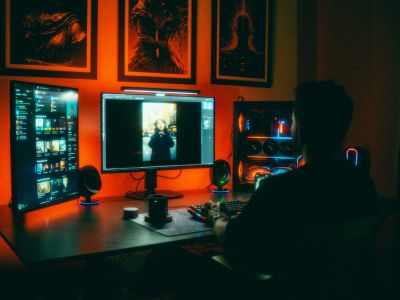
It is tempting to talk about new investment as though every dollar entering an economy is automatically a good thing.
But growth and progress are not necessarily the same thing.
Cozumel is an island, and that reality shapes its economy in ways that enthusiasm alone cannot change.
Land is finite. Housing is finite. Infrastructure has limits. Skilled labor has limits. Construction capacity has limits. Even certain everyday services have a ceiling.
When demand grows faster than the island can respond, the effects eventually become visible somewhere.
Housing becomes more expensive. Businesses face higher rents. Projects take longer to complete. Workers become harder to find. And the cost of participating in the local economy can begin to change faster than local incomes can keep up.
These are not abstract concerns.
They are part of the reason conversations about newcomers, foreign investment and gentrification deserve something more thoughtful than either celebration or dismissal.
A local family should not have to compete for housing in a market increasingly shaped by purchasing power from somewhere else.
A long-established business should not automatically become unsustainable simply because a property has become more valuable to an investor.
And new businesses should ideally create connections within the local economy rather than functioning as isolated operations that happen to be located on an island.
But there is another assumption worth questioning : Not every new arrival is taking something away.
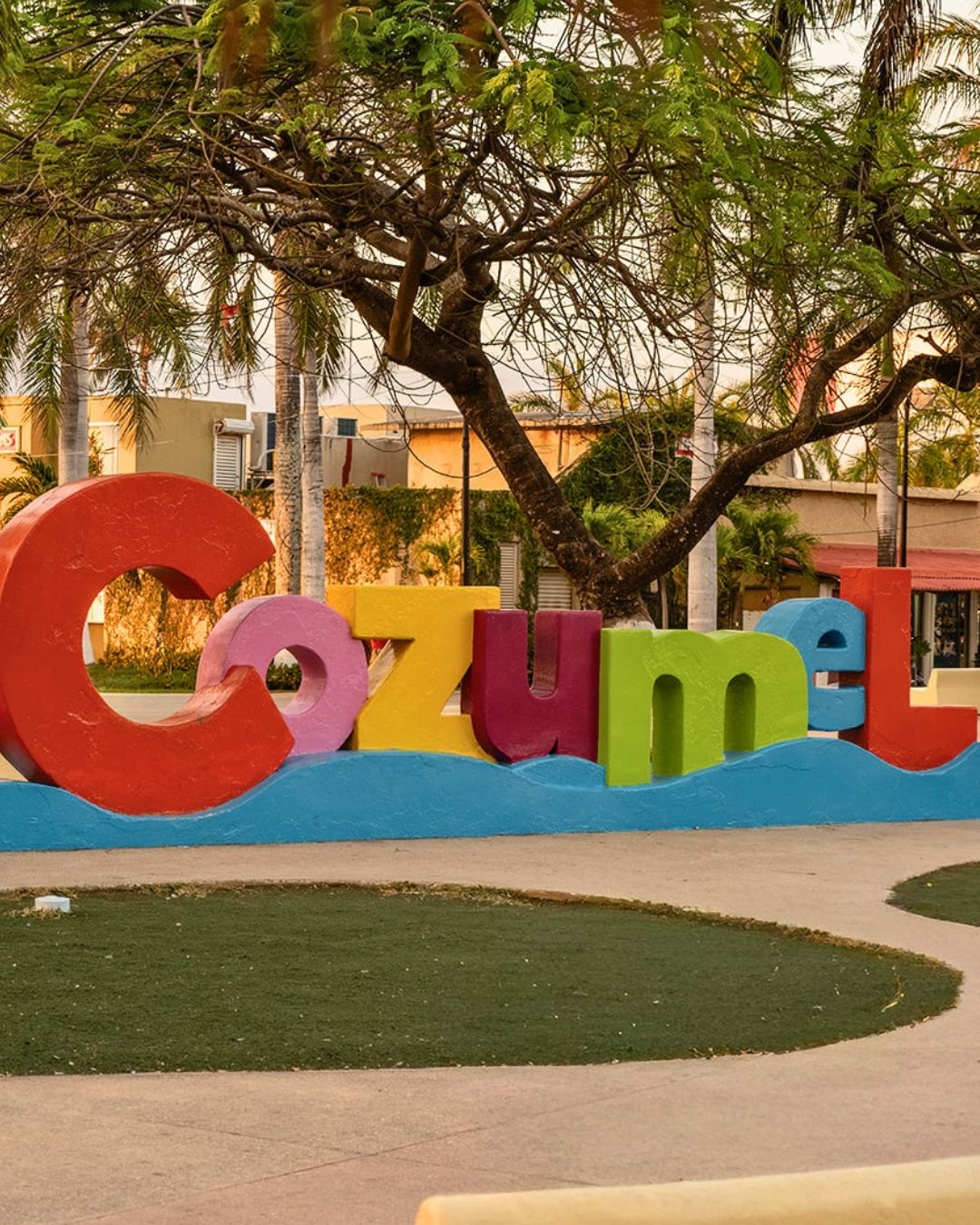
A company can create jobs. A professional can bring new clients and networks. A business can introduce technology, knowledge or processes that make existing businesses more competitive. An entrepreneur may build something that initially seems small but eventually creates demand for local services, talent and suppliers.
In other words, the impact of growth depends on how it connects with the place where it happens.
That may be one of the more important conversations for Cozumel in the years ahead.
Not whether the island should grow it inevitably will, but what kind of growth makes the island stronger.
Growth that creates connections can create opportunity.
And perhaps the real measure of progress is not how much new money arrives, but how much of that new activity becomes part of a healthier, more resilient local economy.
The question, then, is not where someone's passport was issued.
It is what they contribute, what they build, what they learn, what they support, and ultimately, what kind of relationship they establish with the place they have chosen to be part of.



This is also where the less glamorous part of moving to Mexico becomes important.
Someone who decides to make Cozumel their base for work needs to understand that living here and conducting economic activities here can involve different obligations.
Mexico has temporary and permanent residence categories, and the appropriate immigration status depends on the person's circumstances. Permanent residence is not simply a more convenient version of a tourist stay, and naturalization is a separate legal process with its own requirements.
Taxation is another matter entirely.
Where someone lives, where they earn income, how that income is generated, whether they operate a Mexican business, and their tax residence can all affect their obligations.
The fact that a company pays someone in another country does not automatically answer the question of whether that person has Mexican tax obligations.
Nor does having a residence card automatically determine someone's tax status.
These are precisely the kinds of questions that should be answered before, rather than after, someone establishes a business or begins working from Mexico.
The details are individual enough that immigration and tax professionals should be involved.
That may sound like an unnecessary complication to someone accustomed to moving between countries with little bureaucracy.
It isn't.
If the idea is to become part of an economy rather than simply pass through it, operating properly is part of that participation.
Paying the taxes that actually apply to you is not an optional expression of goodwill toward the local community. It is simply part of doing business.
And for local residents, that distinction matters.



Perhaps the question is not whether Cozumel needs more foreign investments at all.
Perhaps that is simply too narrow a way of looking at the opportunity.
What Cozumel needs is a healthy, resilient economy one that creates opportunities for the people who already live here while remaining open to new ideas, investment, talent and connections from elsewhere.
Those things are not mutually exclusive.
When someone arrives and builds a business that employs local people, works with local suppliers, develops relationships within the community, pays the taxes applicable to their activity and takes the time to understand how the island works, their presence can become part of the local economic ecosystem.
That is very different from treating Cozumel simply as a place where operating costs are lower and the weather is better.
The distinction is not necessarily between local and foreign.
It is between participation and isolation.
The same principle applies to technology.
Cozumel does not need to adopt every new platform, trend or piece of technology simply because it is new. Technology is only useful when it solves a real problem or creates a real opportunity.
But neither does an island economy benefit from closing itself off from tools that could make local businesses more productive, more competitive or better connected to the outside world.
There is considerable room for that kind of evolution.
Property management, art, languages, hospitality, transportation, accounting, construction, tourism, marketing and customer service are just a few examples of industries where better systems can reduce friction and create new possibilities.
Remote collaboration is changing where companies can operate. Digital platforms are allowing small businesses to reach international markets without opening an office thousands of miles away.
None of this means Cozumel needs to become the next Silicon Valley.
It doesn't.
The opportunity is much more practical than that.
It is about making sure that a place with a strong local identity can also participate in a changing economy.
Because modernization does not have to mean losing what makes a place unique.
And opening the door to outside ideas does not have to mean giving up local knowledge.
The real opportunity may be in connecting the two.
Ideally, a business emerges that didn't exist before. We might see employees cultivating new skills, local suppliers gaining valuable clients, or existing enterprises becoming more efficient through the introduction of better systems. It could mean a Mexican professional accessing international markets that once felt out of reach. In time, the newcomer may understand the island deeply enough to contribute something that transcends their personal lifestyle.
Alternatively, Cozumel remains merely a backdrop for a laptop.
There is no need to turn these questions into a moral judgment; they are simply inquiries into economic participation and long-term value. This matters because the relationship between geography and work is shifting, and real estate is inevitably part of that transition.
Someone planning to live and work in Cozumel will evaluate a property very differently from a vacation homeowner.
Reliable internet can matter as much as a pool; a dedicated workspace may be more valuable than an additional bedroom. Location, permitted use, maintenance requirements, and access to services become just as critical as how a property looks in photographs.
For those building a business, the equation shifts again. The right property may not be the most beautiful one, but the one that actually functions. That is where local knowledge becomes particularly valuable. Understanding a property goes beyond knowing its dimensions, price, or neighborhood, it requires grasping what can realistically be done with it, what needs verification, and which experts should be consulted.
Sometimes that means a lawyer, other times an accountant, architect, contractor, immigration specialist, or property manager. A real estate decision can open the door, but it is rarely the entire decision.
There is a balance worth protecting.
Cozumel can remain open to people who bring ideas, capital, professional experience and technology without assuming that everything arriving from somewhere else is automatically better.
And those who choose to build a life or business here can recognize that becoming part of a place takes more than simply living in it.
It means learning how things work.
Building relationships.
Working with local businesses and professionals.
Creating opportunities where possible.
Understanding the rules and obligations that come with operating here.
And, perhaps most importantly, listening before assuming that an island you have just arrived on is an empty canvas.
But openness also works in the other direction.
The local community does not benefit from rejecting every new idea simply because it originated somewhere else.
Some of the most interesting chapters in Cozumel's history have come from the interaction between what was already here and what someone brought with them.
That may be the model worth considering now.
Not local versus foreign.
Not old versus new.

Because the strongest economies are rarely built by one side working in isolation.
They are built through relationships, between businesses, between people, between industries and between different ways of seeing the same place.
A place does not necessarily become stronger simply because more people arrive.
It becomes stronger when the people who arrive, the people who already live there and the businesses that serve both can create something that neither could have created alone.
And perhaps that is the more interesting opportunity for Cozumel: not simply attracting more people, but creating the conditions for the right connections to happen.
If you are considering making Cozumel your base for work, starting a business or investing in a property that supports a larger plan, the property itself is only one piece of the decision.
The more important question may be what you are actually trying to build, and who you need around you to make it work.

If you are looking for the right property, exploring the practicalities of relocating, or simply trying to understand how your plans fit into life on the island, our team can help you look at the bigger picture and connect you with the right local professionals when legal, tax, immigration, construction, or business expertise is needed.