
If you've been walking the streets of Cozumel and found yourself wondering, "Could I really live here?"
This article is for you.
Buying a home is exciting. Buying one in another country? That can feel overwhelming.
Mexico offers everything they're looking for, beautiful weather, an affordable lifestyle, strong investment opportunities, and welcoming communities. Places like Cozumel continue to attract retirees, vacation home buyers, digital nomads, and investors from around the world.
Yet before you start touring beachfront condos or charming family homes, there's one important question to ask yourself:
How prepared are you to buy property in Mexico?
Many buyers focus entirely on finding the perfect home, but the smartest investments begin long before making an offer. Understanding the buying process, legal requirements, costs, and timeline will help you avoid unnecessary stress and make confident decisions from day one.
Here's what every foreign buyer should know before purchasing property in Mexico:


Buying real estate in another country isn't difficult, but it is different than the US and Canada.
Mexico has its own legal system, documentation requirements, and purchasing procedures.
The process is well-established and secure, it's important to understand how it works before you begin.
One of the biggest mistakes buyers make is assuming the transaction will follow the same process as it does in the United States or Canada. Instead, take time to learn the basics and surround yourself with experienced professionals who understand both the local market and the needs of international buyers.
The more informed you are from the beginning, the smoother your purchase will be.
Absolutely.
One of the most common misconceptions is that foreigners cannot own property in Mexico. Fortunately, that's simply not true.
Foreign buyers can legally purchase real estate throughout Mexico.
In coastal areas and near international borders, including beautiful destinations like Cozumel, ownership is acquired through a secure legal structure known as a Fideicomiso, or Bank Trust.
This system has allowed thousands of international buyers to safely own vacation homes, retirement properties, and investment real estate for decades.
The important thing to remember is that you're not leasing the property, you have ownership rights protected under Mexican law.

What Exactly Is a Fideicomiso?
The word itself may sound intimidating, but the concept is actually quite straightforward.
A Fideicomiso is a renewable 50-year bank trust created specifically for foreign buyers purchasing property within Mexico's restricted coastal zone.
Through this trust, the bank acts as the trustee, while you are named as the beneficiary.
As the beneficiary, you maintain all the rights of ownership.
You can:
Live in the property
Rent it
Remodel or improve it
Sell it whenever you choose
Pass it on to your heirs
You'll also designate substitute beneficiaries, allowing the property to transfer smoothly according to your wishes.
For most foreign buyers, the Fideicomiso is simply the legal mechanism that makes ownership possible.
Another pleasant surprise for many buyers is that you do not need to be a Mexican resident to purchase property.
Even visitors in Mexico with a valid tourist visa can legally buy real estate.
At closing, the notary will request proof of your legal immigration status in Mexico, whether that's a tourist permit or a residency visa.
While residency isn't required, many homeowners eventually choose to obtain temporary or permanent residency if they plan to spend extended periods living in Mexico.
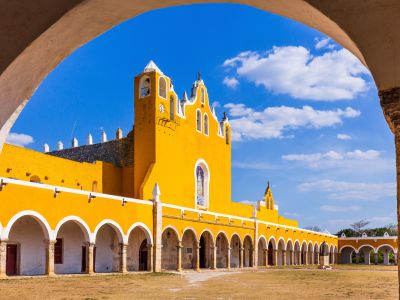
Owning property in Mexico and having the right to live here are two separate matters.
Visitors entering Mexico as tourists are typically granted a temporary stay. The length of that stay is determined by the immigration officer at the port of entry and may vary depending on your individual circumstances, up to the maximum period permitted under current regulations.
If you decide you'd like to spend more time in Mexico, you may qualify for a Temporary Resident Visa, provided you meet the requirements established by Mexico's National Immigration Institute (INM). Temporary residency is generally renewed periodically and, after meeting the legal requirements, many residents later become eligible to apply for Permanent Residency.
In some situations, applicants may qualify for permanent residency through other immigration pathways. Eligibility depends on factors such as age, family ties, retirement status, financial qualifications, or other criteria established by Mexican immigration law.
Immigration regulations and requirements can change over time. Before making plans, we strongly recommend speaking with a qualified Mexican immigration attorney or consultant who can evaluate your specific situation and guide you through the most current process.



One of the most common mistakes first-time buyers make is focusing only on the listing price.
Like any real estate transaction, purchasing property includes additional closing expenses.
While the exact amount depends on each transaction, buyers should generally budget approximately 7% of the agreed purchase price for closing costs.
These expenses may include:
Since every transaction is unique, the final figures are calculated by the notary and their accounting department before closing.
It's wise to reserve a small contingency fund for personal administrative expenses that may arise during the process.
Depending on your individual situation, you may need certified translations, document certifications or apostilles, powers of attorney (POAs), courier services, or other administrative requirements related to your purchase or residency. These costs are often separate from the property's closing costs and can vary from one buyer to another.
Planning for these costs early helps eliminate surprises later.

In a typical Mexican real estate transaction:
The Buyer generally pays:
The Seller typically pays:
Knowing these responsibilities in advance allows both parties to negotiate with confidence and avoid misunderstandings during the closing process.


Every real estate transaction is unique. No two buyers have the same financial situation, which is why experienced guidance can make such a meaningful difference.
A knowledgeable real estate agent does more than show properties. They help you understand the buying process, identify potential costs early, coordinate with attorneys, notaries, and other professionals, and anticipate details that first-time buyers may not even know to ask about.
Okay, no one can predict every circumstance, but working with an experienced team helps reduce surprises and ensures you're making informed decisions at every stage of the purchase.
The goal isn't simply to help you buy a property, it's to help you navigate the process with confidence, knowing you have professionals looking out for your interests from your first inquiry to closing day.

Many international buyers assume a Mexican Notary Public performs the same function as a notary in their home country.
In reality, the role is much more significant.
A Mexican Notary Public is a highly qualified attorney appointed by the government to oversee the legal validity of the transaction.
The notary's responsibilities include:
Rather than representing the buyer or the seller, the notary acts as an impartial legal authority, ensuring that every aspect of the transaction complies with the law.
This provides an additional layer of security for everyone involved.

Buying real estate in Mexico is not an overnight process.
After your offer is accepted, closing generally takes approximately 80 to 100 business days, although timelines can vary depending on factors such as trust setup, bank processing times, and holiday schedules.
Patience is an important part of the process.
Working with an experienced real estate team helps ensure documentation is submitted correctly, deadlines are met, and communication remains clear throughout every stage of the transaction.
This is one of the questions we hear most often:
"Why does buying a property in Mexico take several weeks or even months?"
If this were a transaction between two Mexican citizens, the process could be simpler in some cases. However, even domestic real estate transactions require time to complete because every legal step must be carried out in the correct order.
Now imagine your purchase as a relay race rather than a single event.
Your transaction passes from one professional to the next. Your real estate agent coordinates with the seller, the notary reviews the legal documentation, financial institutions complete their procedures when required, government agencies issue permits or authorizations when applicable, and each party completes their own responsibilities before the next stage can begin.
Each participant plays a specific role, and the process moves forward only when that step has been completed correctly. One stage naturally leads to the next until everything is in place for a secure closing.
While it may seem slower than expected, these procedures exist to protect both the buyer and the seller. They help verify ownership, confirm the legal status of the property, ensure the required documentation is in order, and complete the transfer in accordance with Mexican law.
A good real estate team won't promise shortcuts. Instead, they'll keep you informed, coordinate with everyone involved, and help the process move forward as efficiently as possible while ensuring every step is completed properly.

Life doesn't always make international travel easy.
Fortunately, buyers who cannot attend closing in person may appoint a legal representative through a Power of Attorney (POA).
This document must be properly notarized and apostilled in your home country before being sent to Mexico.
It's important to make this decision early.
Waiting until the final stages of the transaction can delay closing because all legal documentation would need to be revised to recognize your designated representative.

In 1961, a group of countries signed the Hague Convention to simplify the way official documents are recognized internationally.
Before this agreement, documents often had to go through lengthy consular legalization procedures before they could be accepted abroad. The Convention introduced the apostille, a standardized certificate that verifies the authenticity of public documents for use in any participating country. If you're purchasing property in Mexico as a U.S. or Canadian citizen, documents such as powers of attorney, birth certificates, or other official records may require an apostille before they can be accepted by a Mexican notary.
-Do I Need an Apostille?
The answer is: it depends on your situation.
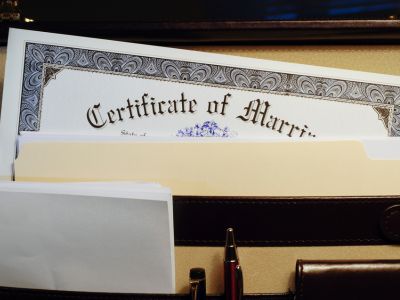
Not every buyer will need the same documents, but depending on the transaction, you may be asked to provide documents with an apostille. Common examples include marriage certificates, birth certificates, or a Power of Attorney (POA) executed outside of Mexico.
The good news is that obtaining an apostille is often more straightforward than many people expect. In both the United States and Canada, many jurisdictions allow documents to be submitted by mail, and processing times can be relatively quick depending on the issuing authority.
The most important thing is not to guess. Before obtaining or apostilling any document, check with your attorney or closing team to confirm exactly what is required for your specific transaction. That way, you'll avoid unnecessary expenses and delays.
Want to learn more about apostilles and when they're required?
We've put together a detailed guide that explains the process step by step. Follow the link below to explore the topic in greater detail.
Understanding this requirement early can help keep your transaction moving forward without unexpected delays.
The property itself is only part of the investment.
The professionals guiding you through the process can make all the difference.
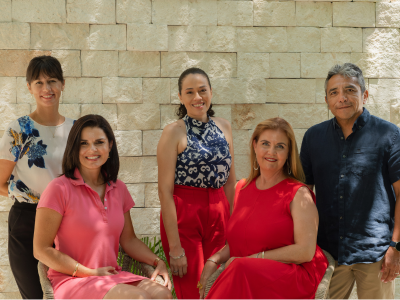
An experienced local real estate team helps coordinate with notaries, trust banks, attorneys, inspectors, and government offices while keeping you informed every step of the way.
Instead of navigating unfamiliar procedures on your own, you'll have trusted experts helping you make informed decisions and avoid costly mistakes.
Buying property in Mexico should be exciting, not stressful.
If you answered "yes" to most of these questions, you're already well on your way to becoming a confident buyer.
If not, that's perfectly normal.
Every successful purchase begins with understanding the process before signing the paperwork. Our team has been helping international buyers navigate the Cozumel real estate market for more than 20 years. We'd be happy to answer your questions, explain the buying process, and help you find the property that fits your goals.
Contact Karen Cozumel Real Estate today and take the first step toward owning your piece of paradise with confidence.
