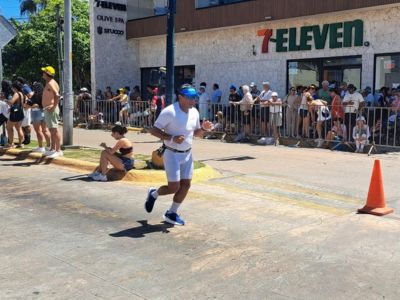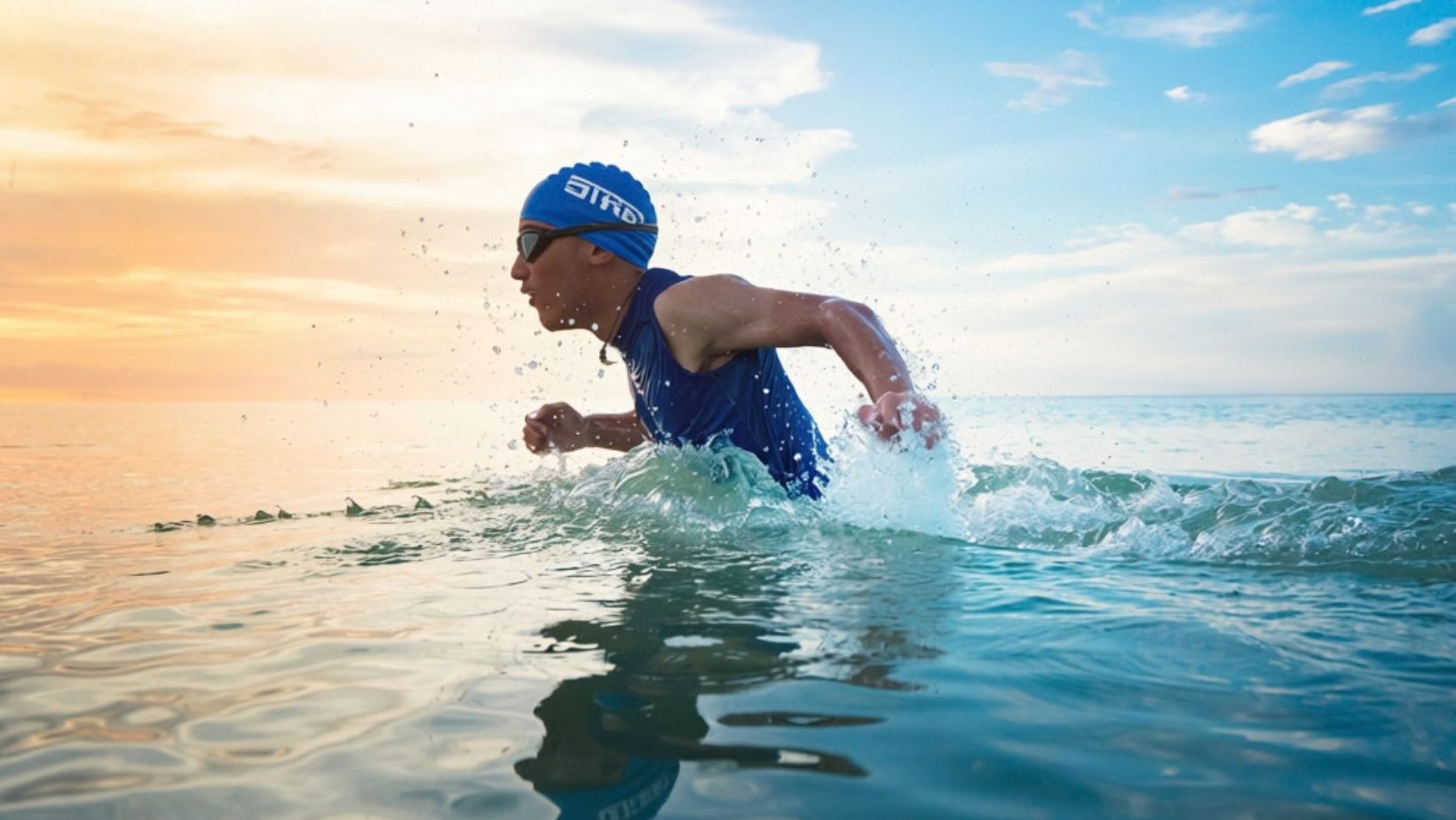
For spectators, an IRONMAN 70.3 can look simple: swim 1.9 kilometers, cycle 90 kilometers, run 21.1 kilometers, and cross the finish line.
But race day is only the visible part of the story.
Behind those 70.3 miles are months of early mornings, carefully planned workouts, long rides, open-water swims, recovery sessions, meals built around training, and the discipline to repeat the process week after week.
In Cozumel, the island itself becomes part of that preparation. Heat, humidity, wind, ocean conditions, and long stretches of road can all influence how an athlete trains, and how they approach race day.
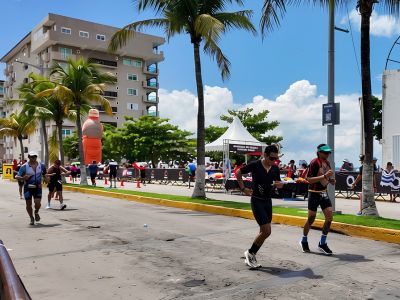
The race itself consists of three disciplines:
1.9 km of swimming
90 km of cycling
21.1 km of running
But athletes don't train by simply repeating those distances every week.
Training is usually structured around different types of sessions, including shorter technique-focused workouts, endurance sessions, intervals, recovery days, and longer weekend workouts.
The amount of training varies considerably depending on the athlete's experience, goals, coach, and stage of preparation. Someone preparing simply to complete the race may have a very different schedule from an experienced athlete targeting a specific finishing time.
There is no single "IRONMAN workout."
The objective is to gradually build the ability to sustain effort across three sports while managing fatigue and avoiding the mistake of doing too much, too quickly.
And eventually, the athlete has to learn how to put all three together.

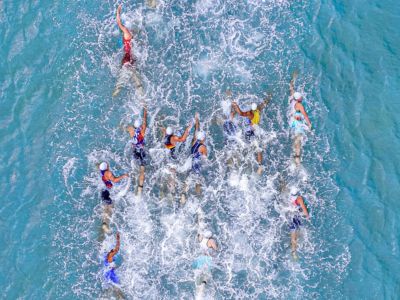
For a serious athlete, training is not simply something added to the day. It often shapes the entire day.
A morning may begin before sunrise with a swim or run, followed by breakfast, work, hydration, and another session later in the day. On some days, the main workout may last an hour. On others, a long bike ride can take several hours, followed by a short run.
Then there is everything around the workout: preparing equipment, eating enough to recover, stretching, sleeping, and making sure the body is ready to do it again tomorrow.
The training schedule also has to coexist with real life.
Athletes still have jobs, families, responsibilities, travel, and social commitments. The challenge is not simply finding the hours to train, but making those hours work consistently over many months.
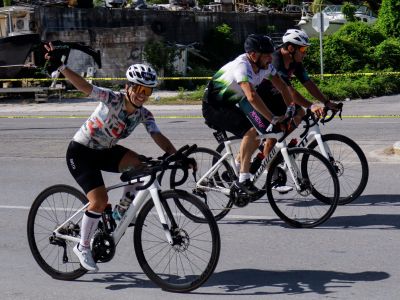

Cozumel offers something that cannot be recreated completely in an indoor pool, stationary bike session, or treadmill: the opportunity to train in the same environment in which the race takes place.
The Caribbean Sea introduces open-water variables that a pool cannot reproduce. Wind can change conditions on the bike. Heat and humidity affect hydration and perceived effort. Long, exposed sections of road require athletes to understand how they respond to sustained effort under the sun.
For someone preparing for a race on the island, these conditions are not simply obstacles.
They are part of the preparation.
Training in the heat can teach athletes how much they need to drink. Riding in the wind can change how they think about pacing. Swimming in open water requires navigation and awareness that are irrelevant in a lane pool.
The island becomes another training partner.
During the weeks leading up to the event, Ironman athletes can be seen training all across the island, and they are always warmly welcomed by the Cozumel community.
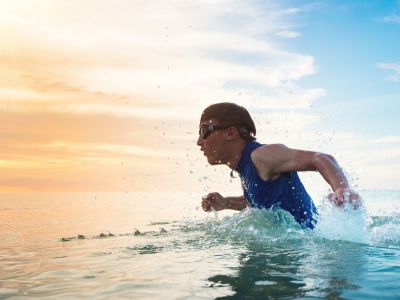
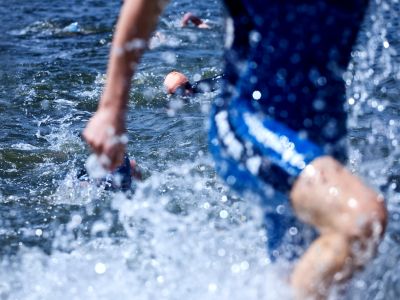
The 1.9-kilometer swim may be the shortest section of the race, but it presents challenges that have little to do with distance alone.
Open-water swimming requires athletes to navigate without the constant visual references of a pool. There are no black lines at the bottom and no wall every 25 or 50 meters.
Instead, swimmers need to practice sighting, lifting their eyes periodically to check direction, while maintaining an efficient stroke and breathing pattern.
There are also currents, waves, other athletes, changing visibility, and the psychological experience of swimming in open water.
For many athletes, becoming comfortable with those conditions is just as important as becoming faster.
The goal is to arrive at race day knowing how the water feels, how to maintain direction, and how to stay calm when conditions are different from what was expected.

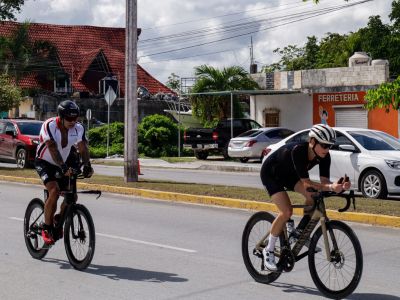
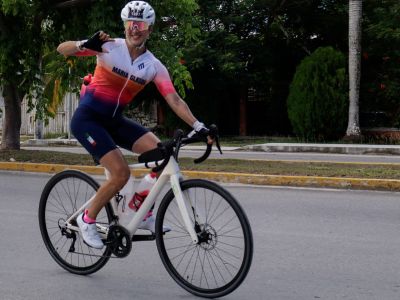
The bike is where the distance of a 70.3 begins to become very real.
Ninety kilometers requires more than cardiovascular fitness. Athletes need to understand pacing, hydration, nutrition, equipment, and how much energy they can afford to spend before the run.
A common mistake for inexperienced athletes is treating the bike as an opportunity to gain time.
But every hard effort on the bike has a potential consequence later.
The objective is not simply to finish the cycling section quickly. It is to arrive at the transition with enough energy to run 21.1 kilometers afterward.
That makes long rides an important part of training.
They teach the athlete what sustained effort feels like, how the body responds to food and fluids over several hours, and how to maintain a controlled pace even when the temptation is to push harder.
On an island like Cozumel, wind becomes another factor. A headwind can make an athlete work significantly harder without necessarily realizing how much energy is being spent.
Learning when to push and when to conserve becomes part of the skill.

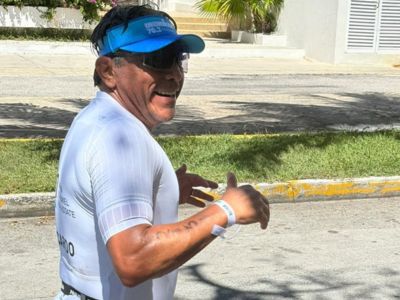
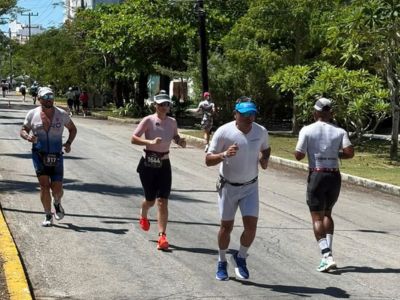
A 21.1-kilometer run is already a serious distance.
Running 21.1 kilometers after swimming and cycling is something else entirely.
The legs are already tired. Energy stores have been used. The body has spent hours regulating temperature and managing hydration. Even a pace that feels comfortable at the beginning of the race can become difficult later.
This is why training for the run cannot be approached exactly like training for a standalone half marathon.
Athletes need to learn how to run on tired legs.
Brick workouts, sessions that combine two disciplines, such as cycling followed immediately by running, help athletes become familiar with that transition.
The first few minutes can feel particularly strange. The legs may feel heavy or uncoordinated after hours on the bike. Over time, the body learns to adapt.
The run becomes less about starting fast and more about managing what remains.

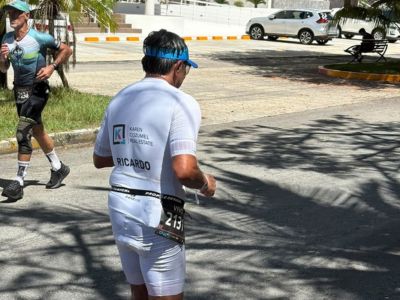

Training for a 70.3 also means thinking about food differently.
For an athlete completing demanding workouts several times a week, meals are not simply about satisfying hunger. They are part of the training process.
Carbohydrates provide energy for endurance sessions. Protein supports recovery. Fluids and electrolytes become particularly important when training in hot, humid conditions.
Long workouts also require athletes to practice race-day fueling.
That can mean experimenting with sports drinks, gels, bars, fruit, or other sources of carbohydrates and determining what the stomach can tolerate while exercising.
This is one of the reasons athletes do not want to leave nutrition until race morning.
A strategy that looks good on paper may not work during a four-hour training ride.
Training gives athletes the opportunity to find out what works for their own bodies.

One of the less visible parts of endurance sports is recovery.
It is easy to focus on the workouts because they are measurable: kilometers completed, time spent training, average pace, watts, heart rate.
Recovery is harder to quantify, but it is equally important.
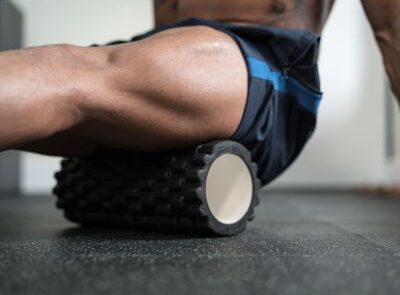
Sleep, rest days, mobility work, stretching, nutrition, and simply allowing the body time to adapt all contribute to an athlete's ability to handle the next training session.
More training is not automatically better.
A well-designed program includes periods of higher workload as well as recovery and adaptation. The objective is to arrive at race day prepared, not exhausted from trying to do too much.
For athletes balancing training with work and everyday life, recovery can also mean learning when to say no to another workout.
When race morning arrives, months of dedicated preparation are put to the test.
Success relies heavily on strategic decision-making alongside physical fitness.
Athletes must continually evaluate key tactical choices:
Navigating transitions efficiently is equally vital. Shifting smoothly from swim to bike and bike to run demands composure, solid organization, and quick gear changes.
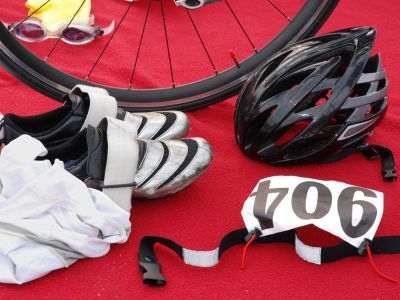
Meticulous attention to detail is essential prior to the start. Every piece of gear, including shoes, helmet, race kit, goggles, water bottles, and nutrition, must be fully organized beforehand.
Minimizing distractions on race morning allows athletes to channel all their focus toward the competition itself.

The finish line is the easiest part of an IRONMAN 70.3 to photograph.
The months leading up to it are much less visible.
There are mornings when training starts before the rest of the island is awake. There are workouts that feel repetitive. Long rides that take up an entire weekend morning. Runs completed when the weather is less than ideal. Meals planned around training. Equipment checked and rechecked.
There are also missed plans.
An athlete may have to leave a social event early because of a morning workout. A planned session may need to be shortened because of fatigue. A week of training may not go exactly as expected.
That is part of endurance sport, too.
The goal is not to execute every day perfectly. It is to keep showing up over time.

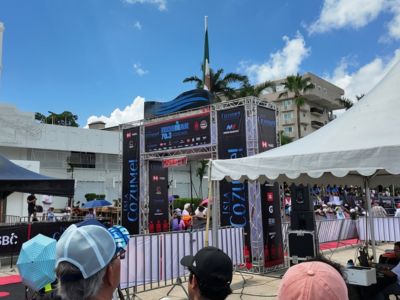
An IRONMAN 70.3 is measured in miles, kilometers, hours, and finishing times.
But those numbers only tell part of the story.
The real preparation is a much longer process: learning how the body responds to heat, finding the right pace, becoming comfortable in open water, understanding nutrition, recovering properly, and developing the discipline to repeat the work.
And in Cozumel, the island itself becomes part of that experience.
The ocean is the first challenge. The roads become the next. The heat follows the athlete through the day. The wind changes the effort. And eventually, all those training sessions lead back to the same place: race morning.
When athletes enter the water for the 1.9-kilometer swim, they are not starting their IRONMAN 70.3.
They are finishing months of preparation.
We’re your biggest fans, and it’s amazing to watch you continue to be one of the best in your category. We’re incredibly proud to call you friend and to cheer you on every step of the way.
With admiration and a big hug,
-Your Team